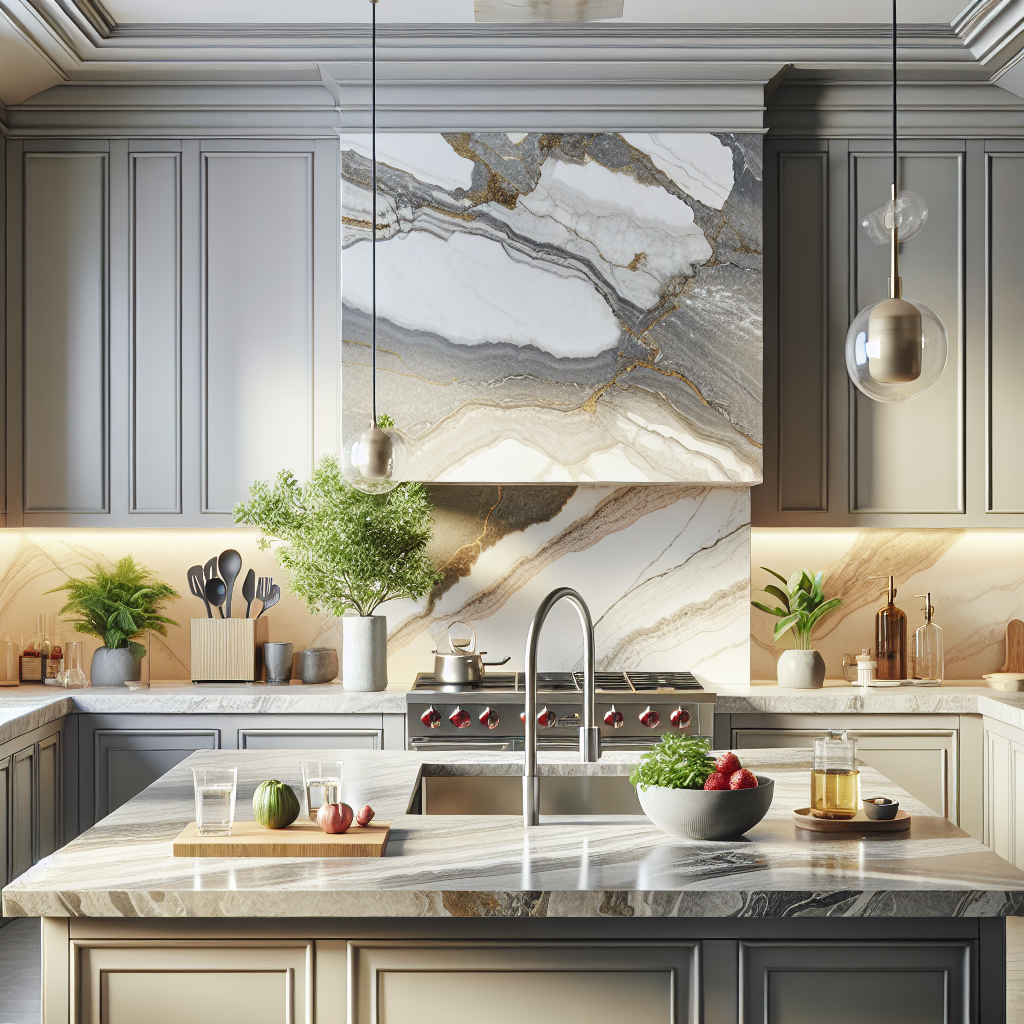



Quartzite countertops are a popular choice for homeowners and designers seeking a blend of natural beauty and durability. Known for their stunning appearance and resilience, quartzite surfaces can significantly enhance any kitchen or bathroom space. However, to maintain their pristine condition, it is crucial to understand the specific care requirements associated with this material. Proper maintenance not only preserves the countertop’s aesthetic appeal but also extends its lifespan.
As a natural stone, quartzite is formed under intense heat and pressure, making it highly resistant to scratches and heat. Despite its durability, it still requires appropriate care to avoid potential damage. Homeowners must be mindful of the products and substances they use, as some can cause irreversible harm to quartzite surfaces. In this guide, we’ll explore what substances and cleaning products you should avoid to ensure your countertops remain in optimal condition.
Whether you’re a seasoned homeowner or new to quartzite countertops, understanding the do’s and don’ts of maintenance is essential. By following recommended care practices, you can enjoy the luxurious look and feel of quartzite for years to come. For expert advice and a wide selection of premium stone slabs, call us today to schedule an appointment: (561) 810-8586 in Boynton Beach or (954) 984-7007 in Pompano Beach. Our team at BR Stone is dedicated to helping you achieve the perfect balance of beauty and functionality in your home.
Why Harsh Chemicals Are Harmful
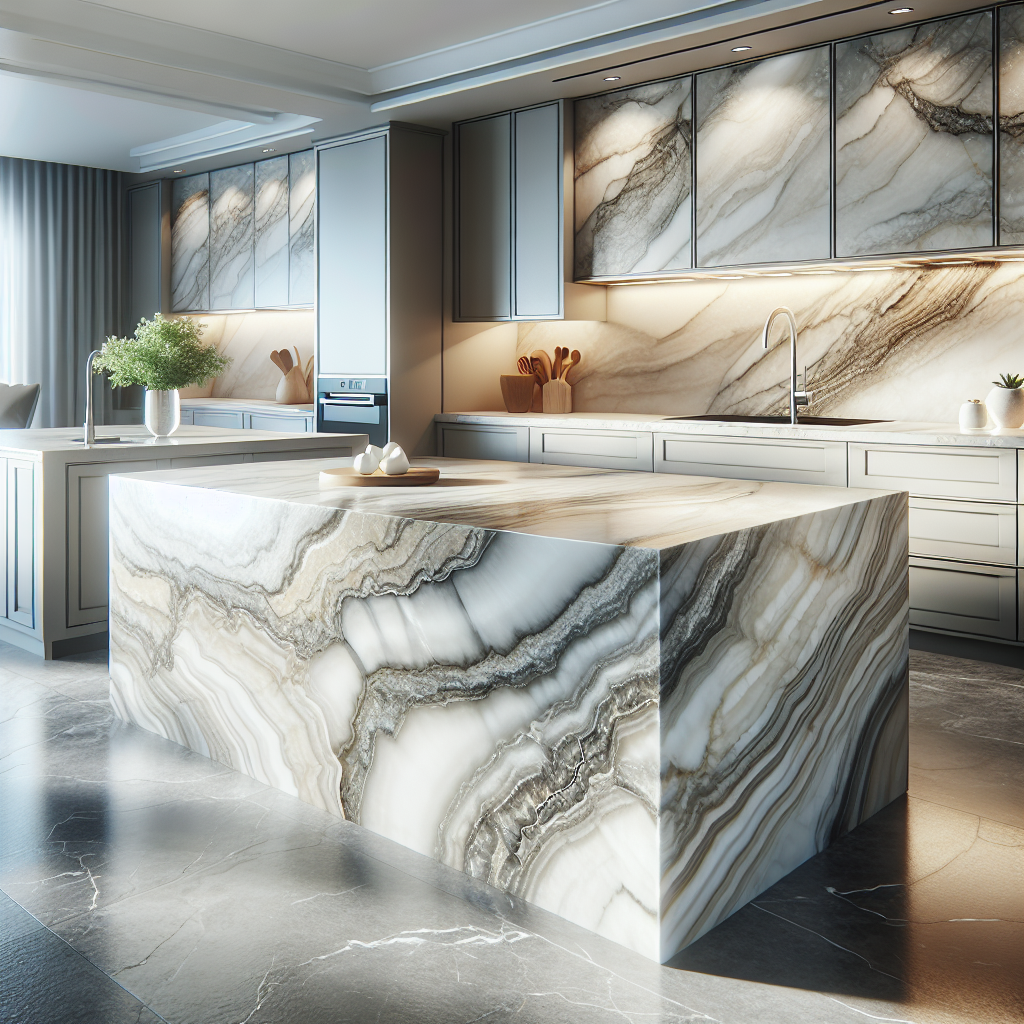
When it comes to maintaining quartzite countertops, the use of harsh chemicals can be particularly detrimental. These substances often contain acidic or alkaline components that can compromise the integrity of the stone’s surface. Quartzite is naturally resistant to many forms of wear and tear, but its porous nature makes it vulnerable to chemical reactions when exposed to aggressive cleaning agents.
Common household cleaners such as bleach, ammonia, and vinegar are among the most harmful substances for quartzite countertops. Despite their effectiveness in other cleaning applications, these chemicals can cause etching and dullness when used on quartzite. Etching occurs when the surface of the stone is chemically altered, leading to a loss of its natural shine and smoothness. This not only affects the aesthetic appeal but can also make the surface more susceptible to staining.
Furthermore, using harsh chemicals can weaken the protective sealant applied to quartzite countertops. The sealant is crucial in preventing liquids and other substances from penetrating the stone, which helps in maintaining its longevity and appearance. Once the sealant is compromised, the stone becomes more vulnerable to damage, leading to costly repairs or replacements.
To avoid these issues, it is advisable to use pH-neutral cleaners specifically designed for natural stone surfaces. These products are formulated to clean effectively without causing harm, ensuring that your quartzite countertops remain beautiful and functional for years to come.
Avoid Using Abrasive Cleaning Tools
Quartzite countertops are renowned for their durability and stunning appearance, but maintaining their pristine condition requires the right care approach. One critical aspect to consider is the avoidance of abrasive cleaning tools. These tools, which include items like steel wool, scouring pads, and hard-bristled brushes, can cause significant damage to the surface of quartzite.
The abrasive nature of these cleaning implements can lead to scratching, which mars the smooth, polished finish that makes quartzite so desirable. Scratches not only detract from the visual appeal but can also create microscopic grooves where dirt and grime can accumulate, making the countertop more challenging to keep clean over time. Moreover, repeated use of abrasive tools can wear down the protective sealant on the countertops, leaving the stone vulnerable to stains and other forms of damage.
To protect your quartzite countertops, it’s essential to opt for gentle cleaning methods. Soft microfiber cloths and non-abrasive sponges are ideal for everyday cleaning tasks. These tools can effectively lift dirt and spills without compromising the surface integrity. For tougher stains, a mixture of warm water and a mild detergent applied with a soft cloth should suffice. Remember, the key is to maintain the countertop’s glossy finish while preventing unnecessary wear.
By choosing the right cleaning tools, you can preserve the natural beauty of your quartzite countertops, ensuring they continue to be a stunning focal point in your kitchen or bathroom.
Prevent Staining with Protective Measures
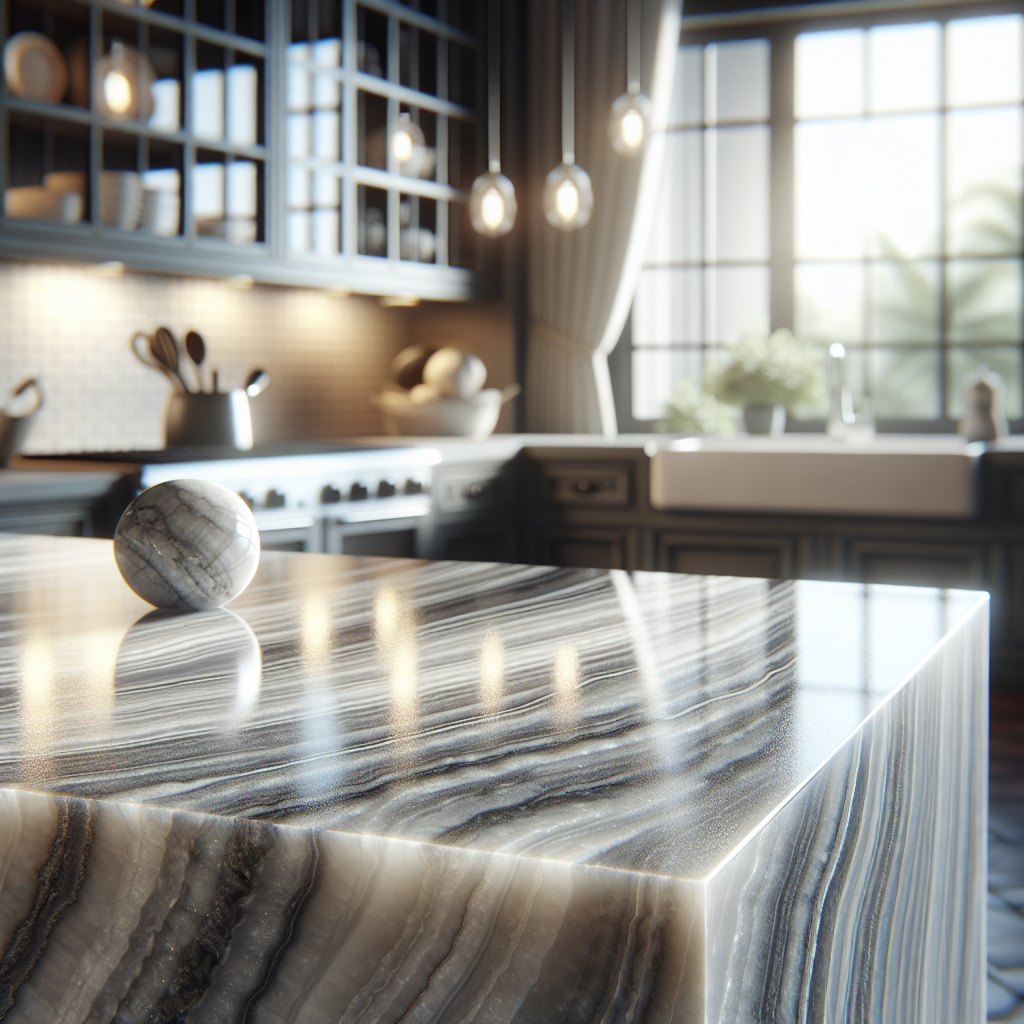
Quartzite countertops are both beautiful and resilient, yet they are not impervious to staining. To maintain their exquisite appearance, it is crucial to implement protective measures that prevent stains from occurring. One of the most effective ways to safeguard your quartzite surfaces is by applying a high-quality sealant. This creates a protective barrier that reduces the stone’s porosity, making it less susceptible to staining agents like wine, coffee, and oil.
It’s recommended to reseal quartzite countertops regularly, typically every six months to a year, depending on the level of use and the type of sealant applied. Regular sealing ensures that the protective layer remains intact, providing ongoing defense against potential stains.
In addition to sealing, adopting simple daily habits can greatly enhance the longevity of your countertops. Always use coasters under glasses and mugs to prevent water rings. Placing trivets or heat pads under hot pots and pans can also prevent heat damage and potential discoloration. Moreover, clean up spills promptly using a soft cloth and mild cleaning solution to prevent them from setting and causing stains.
For further protection, consider using cutting boards when preparing food to avoid direct contact with the quartzite surface. This not only prevents potential scratches but also avoids exposure to acidic substances that can etch the stone over time. By taking these precautionary steps, you can keep your quartzite countertops in pristine condition, ensuring their elegance and functionality for years to come.
Impact of Acidic Substances on Quartzite
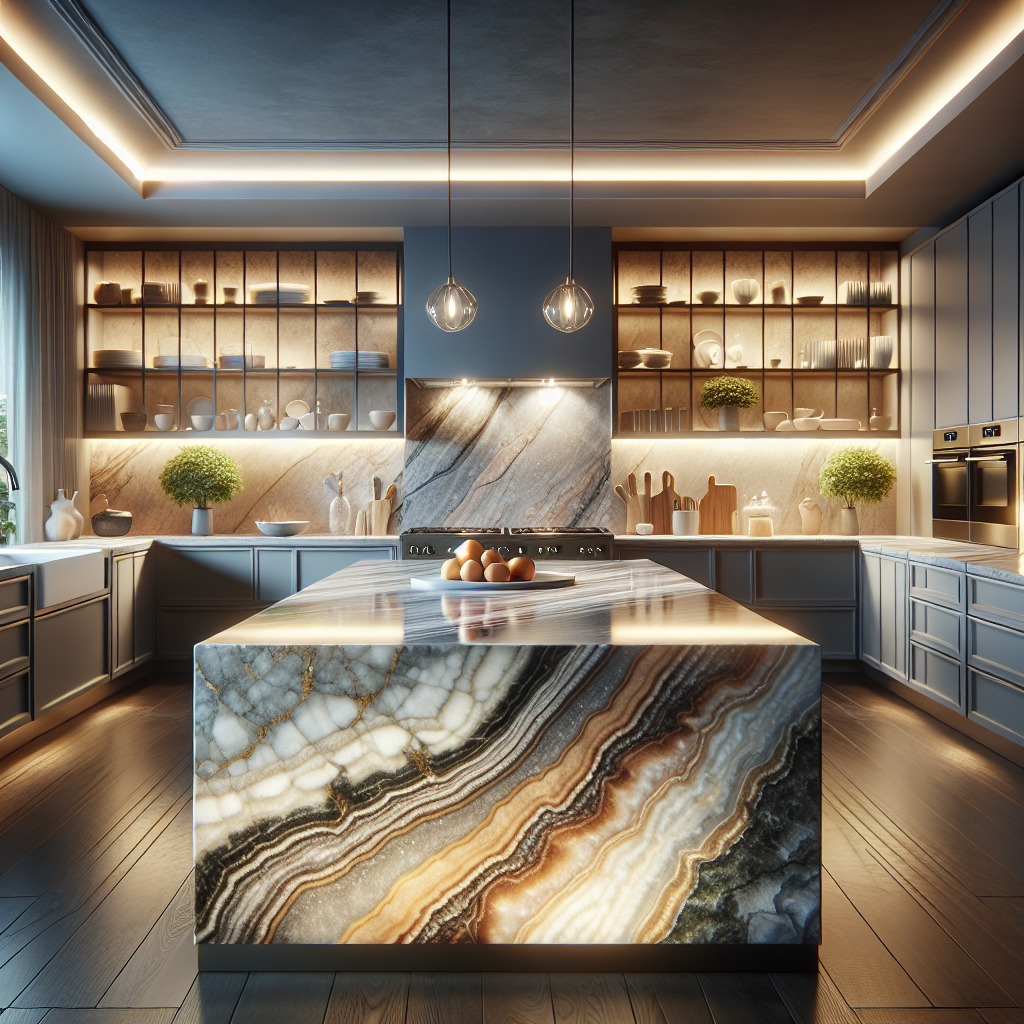
Quartzite, while known for its durability and elegance, is not completely immune to the effects of acidic substances. The natural composition of quartzite makes it resistant to many forms of damage, but exposure to acidic materials can compromise its surface over time. **Acidic substances** such as vinegar, lemon juice, and some commercial cleaners can cause etching on quartzite countertops. This etching appears as a dull spot or mark on the stone, which can detract from its natural beauty.
The reason behind this vulnerability is that quartzite, while being a metamorphic rock primarily composed of quartz, can contain trace amounts of calcium carbonate. This compound is reactive to acids, leading to the etching effect when exposed to acidic substances. Although etching may not always cause structural damage, it can lead to an uneven and unsightly surface finish.
To protect your quartzite countertops, it is essential to avoid using acidic cleaning agents. Instead, opt for pH-neutral or specially formulated stone cleaners that are safe for natural stone surfaces. When cooking with acidic ingredients, such as tomatoes or citrus fruits, always use a cutting board to prevent direct contact with the countertop. Additionally, promptly wiping up spills from these substances can mitigate the risk of etching.
By understanding the impact of acidic substances and taking proactive measures to avoid them, you can preserve the lustrous finish of your quartzite countertops, ensuring they remain a stunning feature of your kitchen or bathroom for years to come.
How to Maintain Your Quartzite Countertops
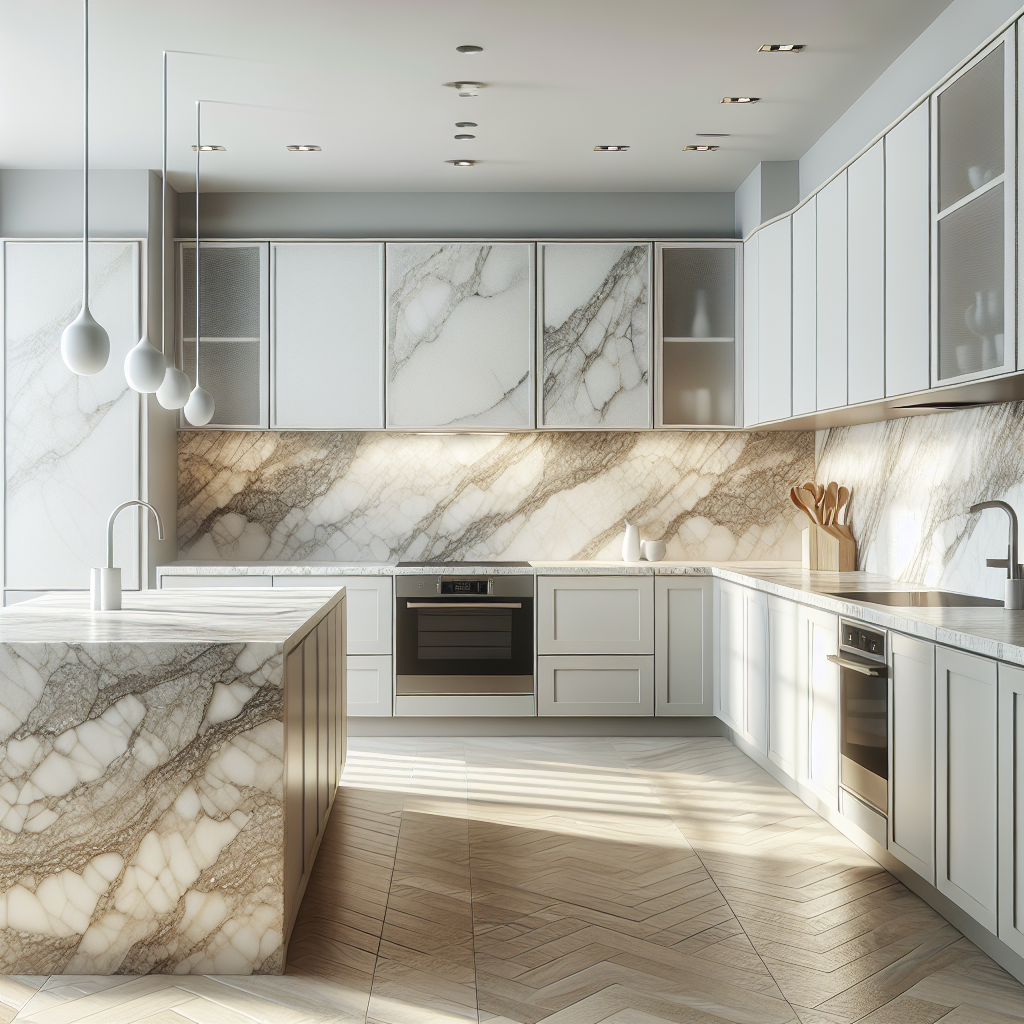
Maintaining the pristine look of your quartzite countertops requires a combination of regular care and smart preventive measures. **Routine cleaning** is vital; use a soft cloth or sponge with warm water and a mild, non-abrasive detergent to clean the surface. Avoid harsh chemicals or abrasive pads that could scratch or dull the finish.
While quartzite is notably tough, it is still wise to employ certain protective strategies. Always use trivets or heat pads when placing hot pots and pans on the countertop to prevent thermal shock. Incorporating cutting boards into your kitchen routine will not only protect your countertops from scratches but also keep knives from dulling quickly.
Sealing quartzite countertops can also enhance their longevity. Although quartzite is less porous than other natural stones, a sealant can provide an extra layer of protection against staining from spills. It is recommended to re-seal your countertops annually or as advised by your stone supplier to maintain their resilience.
By integrating these maintenance practices into your daily routine, you can ensure that your quartzite countertops remain an elegant and functional centerpiece in your home. For more tailored advice or to explore our premium selection of stone slabs, call us today to schedule an appointment at (561) 810-8586 in Boynton Beach or (954) 984-7007 in Pompano Beach. Let BR Stone guide you in preserving the beauty and functionality of your quartzite surfaces.