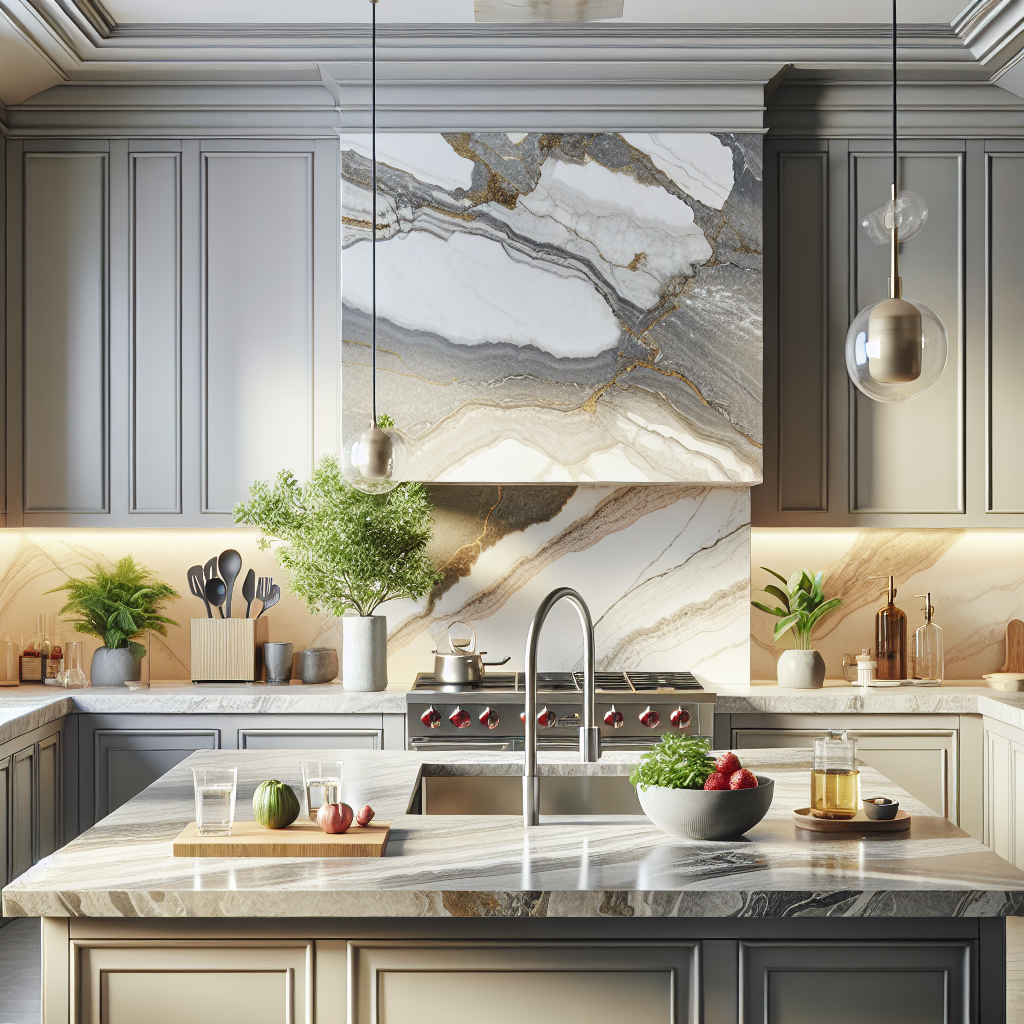


With the rise of minimalist and modern kitchen designs, porcelain kitchen countertops are becoming increasingly popular among homeowners. Sleek, durable, and versatile, porcelain countertops offer a contemporary look while also being stain and scratch-resistant. In this post, we explore the reasons behind the growing popularity of porcelain countertops, their benefits, and why they might be the perfect choice for your kitchen renovation.
Historical Background
On the historical front, porcelain has been a prized material for centuries, dating back to ancient China. Renowned for its durability and beauty, porcelain was traditionally used for delicate objects like dishes and figurines. Its adaptation for use in kitchen countertops speaks to its enduring appeal and quality.
Recent Trends and Market Analysis
One of the most significant recent trends in the countertop industry is the surge in popularity of porcelain countertops. Offering a perfect blend of aesthetics and functionality, porcelain countertops have captured the attention of homeowners and designers alike. With advancements in technology, manufacturers have been able to produce porcelain slabs that replicate the look of materials like marble and granite, at a fraction of the cost.
As homeowners increasingly prioritize sustainability and durability in their homes, porcelain countertops have emerged as a top choice. In addition to their resistance to heat, stains, and scratches, porcelain countertops are also non-porous, making them easy to clean and maintain. The wide range of colors and patterns available further adds to their appeal, allowing for endless design possibilities in the kitchen.
Benefits of Porcelain Kitchen Countertops
Durability and Low Maintenance
Some of the key benefits of choosing porcelain kitchen countertops include their exceptional durability and low maintenance requirements. 
Aesthetic Appeal and Design Flexibility
On top of their durability, porcelain kitchen countertops also offer a wide range of aesthetic options and design flexibility. For instance, these countertops can mimic the look of natural stone such as marble or granite, providing a luxurious appearance without the high maintenance associated with those materials.
Hygienic and Easy to Clean
Easy to clean and maintain, porcelain kitchen countertops are also highly hygienic, making them an ideal choice for food preparation areas.
Another advantage of porcelain countertops is their non-porous surface, which resists stains and prevents the growth of bacteria, ensuring a clean and safe kitchen environment for your family.
Types of Porcelain Countertops
After discussing the rising popularity of porcelain kitchen countertops, it’s vital to understand the various types available in the market. Here we break down the key differences between full-body porcelain and glazed porcelain countertops.
Full-Body Porcelain
On the one hand, full-body porcelain countertops are made from porcelain clay that is the same color and material throughout the slab. This means that any chips or scratches are less visible, making it a durable option for high-traffic areas.
Glazed Porcelain
Countertops made from glazed porcelain have a layer of enamel or glaze applied on top of the porcelain clay, giving it a glossy finish. This type of porcelain is easier to clean and comes in a wide range of colors and designs, making it a popular choice for homeowners looking to add a personal touch to their kitchen.
Understanding Glazed Porcelain countertops offers versatility in design and color options. The glaze can be customized to achieve different finishes, from matte to high-gloss, catering to various aesthetic preferences.
Comparison of Different Types
After understanding the basics of full-body and glazed porcelain countertops, it’s crucial to compare these types to make an informed decision based on your specific needs and preferences. FullBody Countertops_Glazed Countertops Scratch and Chip Resistant_Easier to Clean Consistent Color Throughout_Smooth and Glossy Finish Durable for High-Traffic Areas_Variety of Colors and Designs Available Less Maintenance Required_Customizable Glaze Finishes Eco-friendly and Sustainable_Fashionable and Stylish
Perceiving the differences between full-body and glazed porcelain countertops can help you determine which option best fits your lifestyle and design aesthetic. Consider factors like durability, maintenance, and design preferences when selecting the ideal countertop for your kitchen.
Types
The last part of this chapter examines into a comparison of porcelain countertops, specifically focusing on the distinctions of full-body and glazed options. Understanding the variations between these two types can guide individuals in selecting the most suitable style for their kitchen space.
Installation and Fabrication
Professional Installation vs. DIY
Now, when it comes to installing porcelain kitchen countertops, there is a big decision to make – professional installation or DIY. While DIY projects can be cost-effective, professional installation ensures precision and expertise.
Cutting and Shaping Techniques
One crucial aspect of fabricating porcelain kitchen countertops is the cutting and shaping techniques used during the installation process. Precise cutting is crucial to ensure a perfect fit for the countertops.
Shaping: The cutting of porcelain countertops requires specialized tools such as diamond-tipped saws to ensure clean and accurate cuts. Additionally, fabricators use shaping techniques to create custom designs such as curves or edges based on the kitchen layout.
Sealing and Finishing Options
For porcelain kitchen countertops, sealing and finishing options play a vital role in enhancing the appearance and durability of the surface. Different sealing techniques can be applied to protect the porcelain from stains and scratches, while various finishing options can add a touch of style to the countertops.
Techniques: Sealants such as impregnating sealers are commonly used to protect porcelain countertops, while finishing options like matte or glossy finishes can create different aesthetics for the kitchen space. It is crucial to select the right sealing and finishing options based on the specific needs and preferences for the countertops.
Design and Style Options
Color and Pattern Choices
Options for porcelain kitchen countertops are endless when it comes to color and patterns. From classic whites and neutrals to bold and vibrant hues, there is a shade to suit every design aesthetic. Patterns range from marble-like veining to modern geometric designs, offering versatility for any kitchen style.
Edge Profiles and Finishing Touches
Finishing touches on porcelain countertops can elevate the overall look of your kitchen. With edge profiles like beveled, bullnose, or mitered edges, you can customize the design to fit your taste. Additionally, finishing touches such as polished, honed, or textured surfaces can add another layer of sophistication to your countertops.
Integrating Porcelain with Other Materials
An effective way to enhance the visual appeal of porcelain countertops is by integrating them with other materials. Pairing porcelain with natural wood, stainless steel, or glass can create a stunning and dynamic look in your kitchen. The combination of materials adds dimension and interest to the space.
Cost and Value Analysis
Initial Investment and Long-Term Savings
Many homeowners may initially be hesitant about the cost of porcelain kitchen countertops compared to traditional materials like granite or quartz. However, a closer analysis reveals that while porcelain may have a higher upfront cost, it offers long-term savings due to its durability and low maintenance requirements.
Comparison to Other Countertop Materials
Many homeowners may wonder how porcelain countertops stack up against other popular materials like granite, quartz, or marble. To provide a clear comparison, let’s break down the cost and value of porcelain versus these materials:
Porcelain Countertops | Other Countertop Materials |
Durable and low maintenance | May require regular sealing and maintenance |
Resistant to scratches, stains, and heat | May be more prone to damage |
For instance, porcelain countertops are non-porous, making them resistant to stains and bacteria growth, unlike porous materials like marble. Additionally, porcelain is highly durable and can withstand heat better than materials like quartz.
Resale Value and ROI
Comparison statistics show that investing in porcelain kitchen countertops can increase a home’s resale value and provide a high return on investment. Many prospective buyers are willing to pay a premium for homes with modern, durable, and low-maintenance features like porcelain countertops.
It is important to consider the long-term benefits of porcelain countertops not only for personal enjoyment but also for the potential return on investment when selling your home in the future. The popularity and value of porcelain kitchen countertops in the real estate market make them a wise choice for homeowners looking to upgrade their kitchens.
To wrap up
On the whole, the rise in popularity of porcelain kitchen countertops is a trend that reflects the desire for durable, low-maintenance, and aesthetically pleasing surfaces in modern kitchens. As homeowners continue to seek out innovative materials that offer a balance of style and functionality, porcelain countertops are poised to remain a top choice for those looking to upgrade their kitchen spaces.