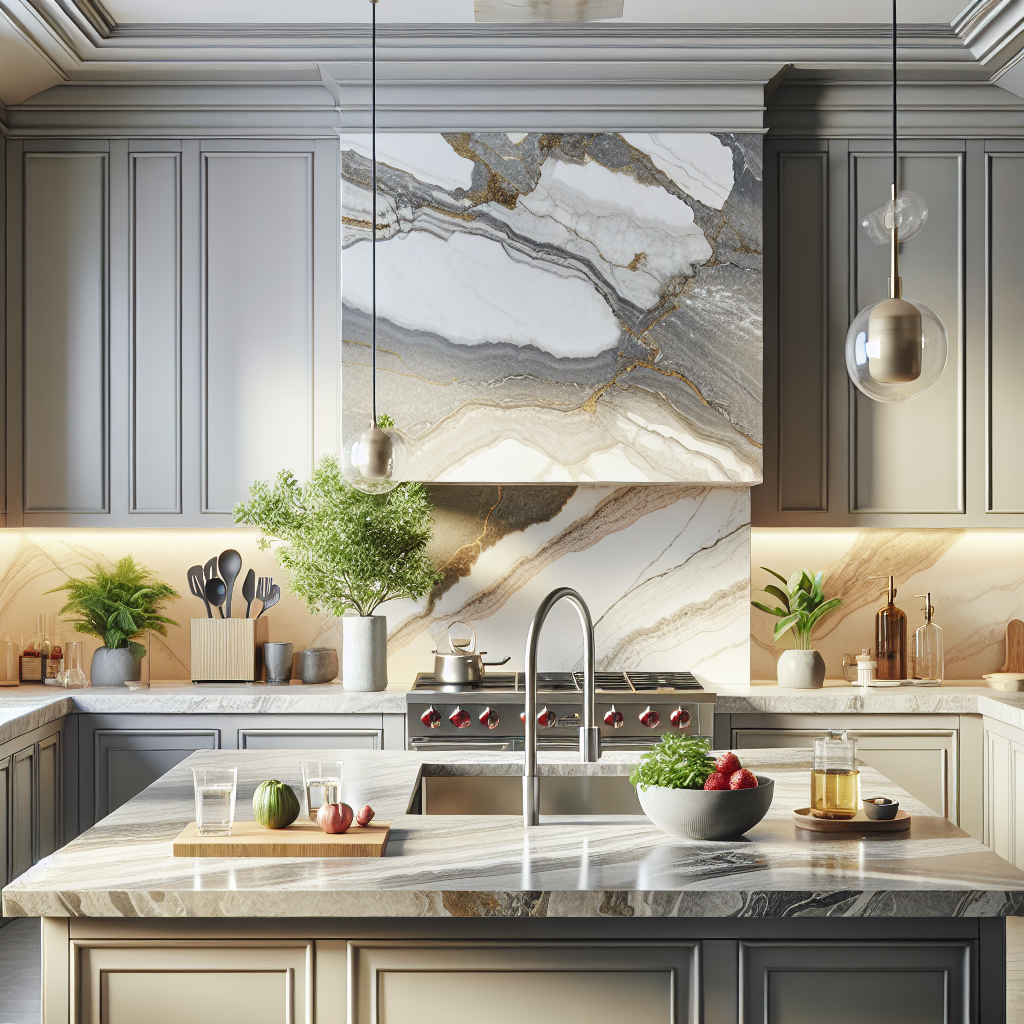


Introduction to Porcelain Kitchen Countertops
Porcelain kitchen countertops represent a significant advancement in home design, offering homeowners a combination of durability and aesthetic appeal. These countertops are crafted from a type of ceramic that is fired at an extremely high temperature, resulting in a dense, hard surface. Porcelain’s non-porous nature makes it a practical option for kitchen surfaces, where hygiene and ease of cleaning are paramount.
The rise in popularity of porcelain countertops
Their increasing prevalence in modern kitchens stems from their ability to mimic natural stone, wood, and even concrete, thus providing flexibility in interior design without the bulk and expense of those materials. Porcelain also offers unparalleled resistance to heat, scratches, and stains, making it a viable choice for those who prioritize longevity and low maintenance. These attributes, paired with advances in manufacturing technologies, mean porcelain countertops can now accommodate an array of design preferences, further contributing to their popularity among homeowners and design professionals alike.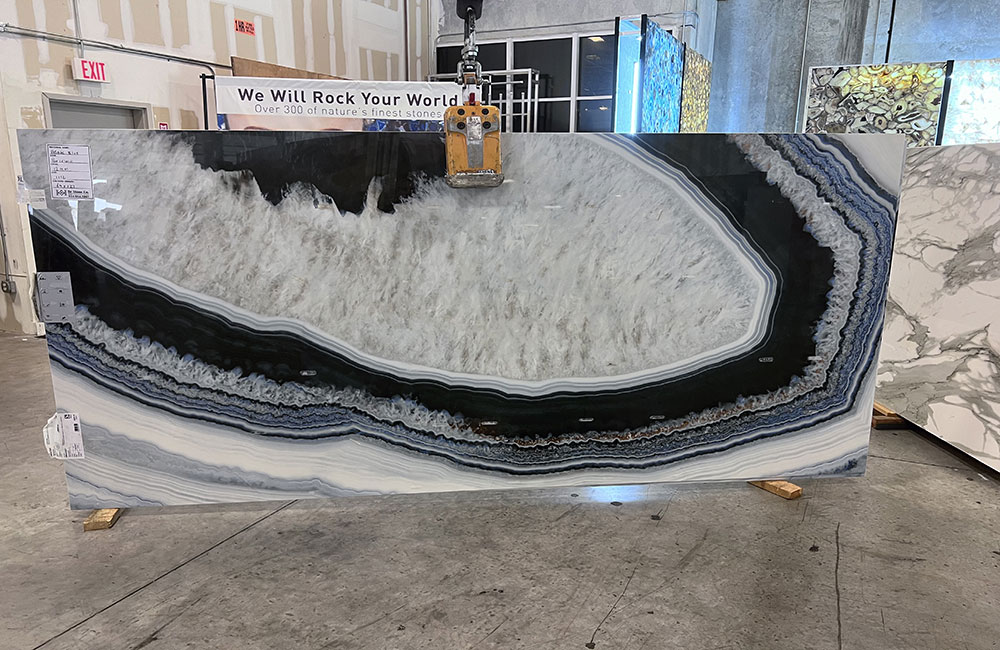
Comparing porcelain to traditional countertop materials
When measured against materials like granite, quartz, and laminate, porcelain countertops exhibit a distinct set of advantages. Unlike granite, porcelain is not prone to chipping or cracking and does not require regular sealing. In contrast to quartz, porcelain can endure direct heat without damage, an attribute that appeals to avid cooks. In the realm of sustainability, it outperforms laminate, being fully recyclable and possessing a longer lifespan. With a variety of finishes, from glossy to matte, and an expansive spectrum of colors and patterns, porcelain allows for a degree of customization previously unavailable in kitchen design. These comparisons underline porcelain’s rising reputation as a sought-after countertop material in the modern home.
Benefits of Porcelain Countertops
Durability and Longevity
Porcelain countertops distinguish themselves through their remarkable durability and longevity. The material is known for its resistance to chips, scratches, and cracks, a vital attribute in the bustling environment of a kitchen. Porcelain’s inherent toughness stems from its manufacturing process, involving high temperatures that yield a dense and hardwearing surface. This quality ensures that homeowners can enjoy a pristine countertop appearance for years, withstanding common kitchen accidents and heavy use.
Hygienic surfaces ideal for kitchens
Kitchen countertops need to maintain sanitary conditions, and porcelain excels in offering a hygienic surface. Its non-porous nature inhibits the growth of bacteria and mold, crucial for food preparation areas. Unlike other countertop materials that might require sealing, porcelain’s glaze provides a protective layer, preventing any absorption of liquids and food particles. This characteristic makes it an excellent choice for homeowners prioritizing cleanliness and food safety in their kitchens.
Wide range of design possibilities
The versatility in design is one of the compelling attributes of porcelain countertops. They are available in a plethora of colors, patterns, and finishes, mimicking the appearance of natural stone, wood, or concrete, which accommodates various aesthetic preferences and interior designs. Advanced manufacturing techniques have also enabled the production of large porcelain slabs, allowing for seamless installations with minimal joints. This flexibility ensures designers and homeowners can create custom kitchens without compromises.
Maintenance and care
Maintenance is a significant consideration for homeowners, and porcelain countertops offer a low-maintenance solution. Due to their dense surface, these countertops do not require sealing, a common requisite for other materials. Routine care for porcelain simply involves wiping the surface with a soft cloth and a mild cleaner. Moreover, porcelain is resistant to household acids and chemicals, which means that staining concerns are minimal, further emphasizing the practical benefits of this modern countertop material for diligent and hassle-free kitchen upkeep.
Designing with Porcelain
Porcelain countertops are gaining traction in modern homes due to their durability and versatile designs. This material accommodates a plethora of stylistic preferences, from minimalistic white to elaborate patterns that mimic natural stones like marble or granite.
Trends in Porcelain Countertop Colors and Patterns
Current trends in porcelain countertops exhibit a strong inclination towards neutral tones that provide a timeless aesthetic. Whites, grays, and off-whites are prevalent, as they offer a clean and sleek look. For those seeking a more distinctive style, porcelain also presents a range of options featuring bold veining and swirling patterns that replicate the appearance of luxury stone. Advances in manufacturing have facilitated the production of porcelain slabs with increasingly realistic textures and finishes. Some manufacturers even offer custom designs, enabling homeowners to install countertops that are truly one-of-a-kind.
Integrating Porcelain into Your Kitchen Style
Porcelain can effortlessly adapt to any kitchen decor. Modern design schemes often incorporate elements with high-gloss finishes, where porcelain can contribute a lustrous and sophisticated touch. Conversely, in rustic or traditional kitchens, matte porcelain with a natural stone look can add warmth and authenticity. Its compatibility with undermount sinks and ability to extend to backsplash areas makes porcelain a versatile choice that can act as a cohesive element throughout the kitchen.
Lighting and Porcelain: Enhancing Aesthetics
Lighting plays a pivotal role in showcasing the elegance of porcelain countertops. Natural light accentuates the subtle reflections and intricate patterns common in porcelain, amplifying a sense of depth and dimension. In artificial lighting, directional lights such as pendants or under-cabinet LEDs can draw attention to the details and craftsmanship, creating focal points within the kitchen. Proper lighting will enhance the porcelain’s sheen and bring out the richness of its colors, ensuring that the countertop makes a striking visual statement in any setting.
The Installation Process
Professional vs. DIY: What you need to know
When considering the installation of porcelain kitchen countertops, homeowners must decide between hiring a professional and taking a DIY approach. Professionals possess the necessary expertise, ensuring a quick and successful installation. They understand the material’s properties, manage heavy lifting, and provide warranties. Conversely, DIY may interest those with substantial home improvement skills, but the risk of costly errors is significant. Without proper knowledge and experience, one may face tile breakage or imprecise cuts, leading to additional expenses and time delays.
Tools and preparation required for installation
Prior to installation, the acquisition of specific tools is crucial. Homeowners will need a wet saw for precision cuts, a notched trowel for adhesive application, a level to ensure an even surface, and a drill for any required openings. Protective equipment, such as gloves and safety glasses, is essential for personal safety. Furthermore, accurately measure the space and prepare the existing cabinetry to handle the weight and dimensions of porcelain countertops. Materials, including porcelain slabs, adhesive, sealant, and grout, must be selected based on quality and compatibility.
Step-by-step guide to porcelain countertop installation
- Measure and Template: Accurately measure the countertop area and create a template, considering sinks, fixtures, and appliances.
- Prepare the Surface: Ensure the base cabinets are level and sturdy. Any defects can result in uneven countertops.
- Cut the Porcelain Slab: Using a wet saw, cut the porcelain slab according to the template. Be precise to avoid waste.
- Apply Adhesive: Spread an even adhesive layer using a notched trowel on the prepared surfaces.
- Place the Slab: Carefully lay the porcelain slab onto the adhesive. Press down gently but firmly.
- Level and Adjust: Use a level to confirm the surface is even. Make necessary adjustments promptly before the adhesive sets.
- Seal Seams: After the adhesive hardens, apply sealant to the seams for a seamless appearance and to protect against moisture.
- Finish and Cure: Follow the manufacturer’s guidance on cure times before full use to ensure the adhesive and sealant bond properly.
The installation of porcelain countertops requires attention to detail and adherence to the process to ensure a finished product that combines beauty with durability. Professional installation is recommended to harness the full potential of porcelain for kitchen countertop applications.
Cost and Value of Porcelain Countertops
Initial investment versus long-term savings
Potential buyers must understand that while porcelain countertops may demand a higher initial investment compared to some materials, they offer substantial long-term savings. Porcelain’s durability leads to less frequent replacements or repairs. Its resistance to scratches, UV rays, and extreme temperatures makes it a practical choice with minimal maintenance expenses. Moreover, the low porosity of porcelain results in less staining and therefore diminishes the need for costly cleaning products and professional services over the countertop’s lifespan.
Comparing porcelain countertop costs with other materials
When comparing porcelain countertops to alternatives such as granite, quartz, or laminate, it’s important to consider several factors. Porcelain generally falls between quartz and granite in terms of cost. However, it often surpasses them in terms of durability and maintenance, which can lead to cost-efficiency in the long run. Laminate countertops may be cheaper, but they lack the resilience and upscale aesthetic that porcelain provides, which can be crucial for long-term value and overall satisfaction.
Understanding the resale value of porcelain countertops
The decision to install porcelain countertops can significantly influence a home’s marketability. Their sleek, modern appearance, coupled with their robust nature, make them appealing to potential buyers. Porcelain’s timeless quality ensures that it doesn’t easily fall out of fashion, which can contribute positively to a home’s resale value. Real estate experts recognize that kitchens with high-quality finishes are a major selling point, suggesting that the investment in porcelain countertops can yield fruitful returns when it comes time to sell a property.
Maintenance & Repair
Daily cleaning tips for shiny surfaces
To maintain the radiance of porcelain countertops, they necessitate regular cleaning with non-abrasive, gentle cleansers. A mixture of water and mild dish soap serves as an effective solution for routine wiping. After cleaning, it’s essential to dry with a soft cloth to prevent water spots and streaks. For stubborn stains, a baking soda paste can be applied, left to sit for a few minutes, and then rinsed off, always ensuring the surface is dried thoroughly afterward.
Dealing with chips and scratches
Even though porcelain countertops are resilient, they could still suffer chips or scratches. Small chips may be rectified with repair kits that match the countertop’s color. For scratches, fine-grit sandpaper could buff out shallow abrasions. However, one should exercise caution to avoid exacerbating the damage. It is often best to consult professionals for more significant repairs to ensure a seamless finish.
Long-term maintenance to preserve the countertop’s beauty
Over time, long-term care involves more than just daily cleaning. One must regularly inspect for signs of wear and make prompt repairs to prevent further deterioration. Use cutting boards to protect the surface from scratches and place mats under hot cookware to avoid thermal shock. Anticipatory measures, such as sealing, are typically unnecessary for porcelain, but one should revisit the manufacturer’s guidelines periodically to stay updated on best practices. Annually reviewing warranty conditions helps one understand the spectrum of protections and maintenance requirements for their porcelain countertops.
Conclusion: Is Porcelain Right for Your Modern Kitchen?
Recap of the advantages and considerations
Porcelain countertops offer a contemporary touch to modern kitchens, with their sleek design, durable nature, and low maintenance requirements. They provide excellent resistance to heat, stains, and scratches, which makes them a practical option for busy kitchens. Additionally, porcelain’s vast array of colors and patterns allows homeowners to achieve almost any look, from classic marble to industrial concrete. Nevertheless, it’s important to consider that while porcelain is hardy, improper installation can lead to chipping. Moreover, due to its weight, it may require reinforced cabinetry to ensure proper support.
Personalizing your kitchen space
Choosing porcelain for kitchen countertops caters to personal style and functional needs. Its versatility in finishes and colors means it can be tailored to fit any kitchen’s aesthetic. Whether one desires a glossy surface that mirrors the ocean’s depth or a matte finish for a more understated elegance, porcelain can be cut and finished to suit every taste. Furthermore, it allows for cohesive design throughout the home, as porcelain can also be utilized for flooring and wall cladding, creating a seamless flow in the home’s design.
Final thoughts on investing in porcelain kitchen countertops
Investing in porcelain for a kitchen countertop is an astute choice for the modern homeowner. It not only enhances the kitchen’s visual appeal but offers a robust and enduring solution that withstands the test of time. With a lifespan that often surpasses other countertop materials, porcelain presents long-term cost efficiency. Homeowners should engage with reputable suppliers and skilled installers to ensure they reap all the benefits that porcelain countertops have to offer. Ultimately, the combination of its aesthetic flexibility, functional resilience, and potential for property value increment justifies porcelain as a wise addition to the modern kitchen.
FAQ
What are the main benefits of porcelain kitchen countertops?
Porcelain kitchen countertops offer remarkable durability and resistance to scratches, heat, and UV rays, making them an excellent choice for long-lasting beauty in a modern home. They are non-porous, which helps in resisting stains and makes them easy to clean. Additionally, porcelain slabs come in a wide variety of designs, including patterns that mimic natural stone, but without the maintenance requirements of materials like marble or granite.
How do porcelain kitchen countertops compare to quartz or granite?
Compared to quartz and granite, porcelain countertops are harder and less prone to chips and cracks. They also have superior heat resistance, which means hot pots and pans can be placed directly on the surface without fear of damage. While granite requires periodic sealing to prevent stains, porcelain’s non-porous nature means it never needs to be sealed. Quartz, although also robust, can discolor over time when exposed to direct sunlight, a drawback not shared by porcelain countertops.
Are porcelain countertops suitable for food preparation?
Yes, porcelain countertops are highly suitable for food preparation. They are hygienic due to their non-porous surface, which inhibits the growth of bacteria and other pathogens. Additionally, porcelain does not react with acidic foods or harbor flavors, ensuring that it is a safe surface for direct food contact.
Can porcelain kitchen countertops be repaired if chipped or cracked?
Although porcelain is highly durable, in the rare event of a chip or crack, it can be repaired with a color-matched epoxy or resin by a professional. However, the chances of needing repair are considerably lower than with softer countertop materials.
What maintenance do porcelain countertops require?
Porcelain countertops require minimal maintenance. Regular cleaning with mild soap and water is typically all that is needed to maintain their appearance. Unlike some natural stone options, there is no need for annual sealing. For more stubborn stains, a non-abrasive cleaning pad can be used without the risk of scratching the surface.
How does the cost of porcelain countertops compare to other materials?
The cost of porcelain countertops is generally comparable to mid-range granite and quartz options. While the initial investment may be higher than some other materials, the longevity, durability, and low maintenance requirements of porcelain can make it a cost-effective choice over the long term for homeowners.
What design options are available with porcelain countertops?
Porcelain countertops come in a vast array of colors, patterns, and finishes, including options that resemble marble, slate, wood, and concrete. They can be manufactured in large slabs, which makes it possible to create a seamless look, particularly on large islands or long stretches of countertop. This versatility allows homeowners to achieve a high-end aesthetic that complements any kitchen style from traditional to contemporary.