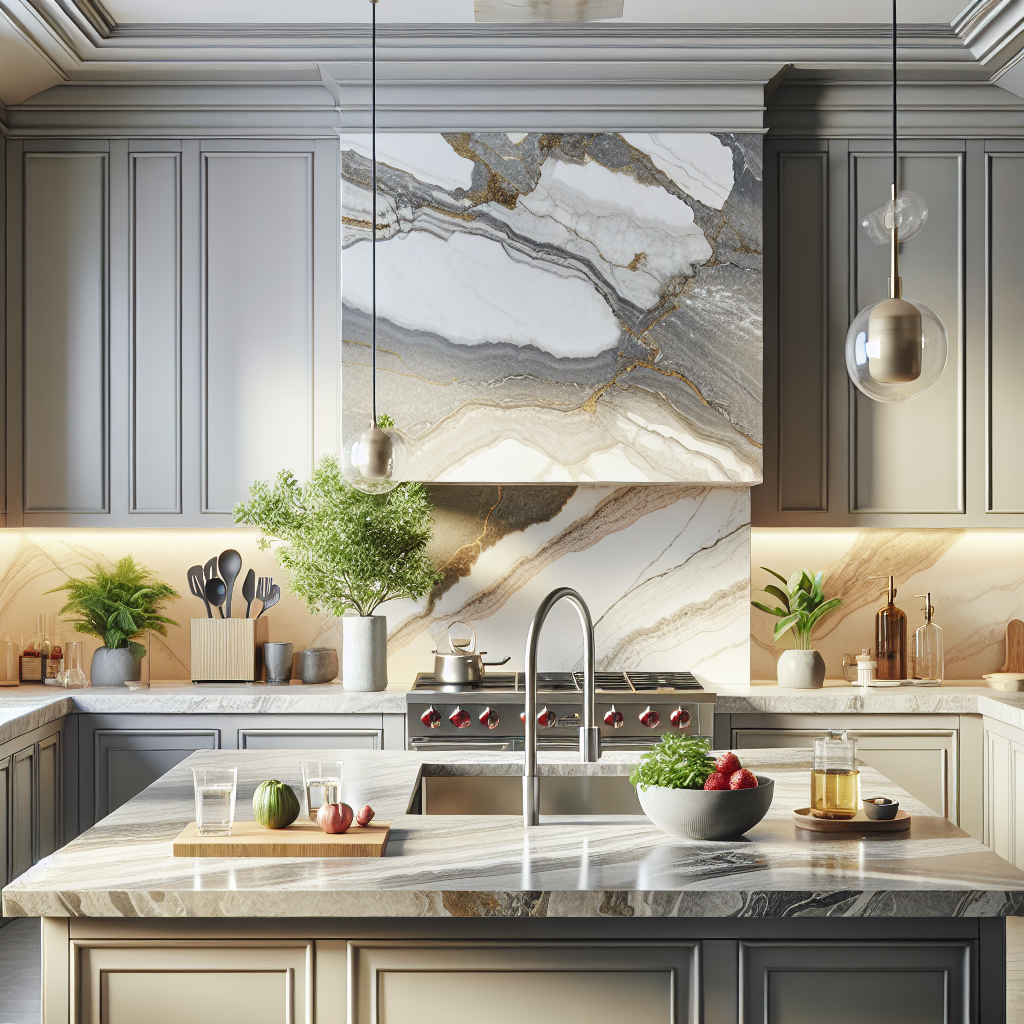



Quartz and Granite are two of the most popular materials used in home design, particularly for kitchen countertops and bathroom vanity tops. While they are often discussed together, they are distinct in many ways, including their composition, appearance, and properties.
Quartz is an engineered stone made from natural quartz crystals combined with resin and pigments, resulting in a highly durable and visually appealing surface. Its non-porous nature makes it resistant to stains and scratches, ideal for high-traffic areas. On the other hand, granite is a natural stone formed from molten magma deep within the earth. It is composed mainly of quartz, feldspar, and mica, which give it a unique, granular texture and a wide range of colors and patterns.
Understanding the relationship between quartz and granite is essential for making informed decisions about your home design projects. This article explores whether quartz is found in granite, delving into their formation, key differences, and how they can enhance your living spaces.
What is Granite Made Of
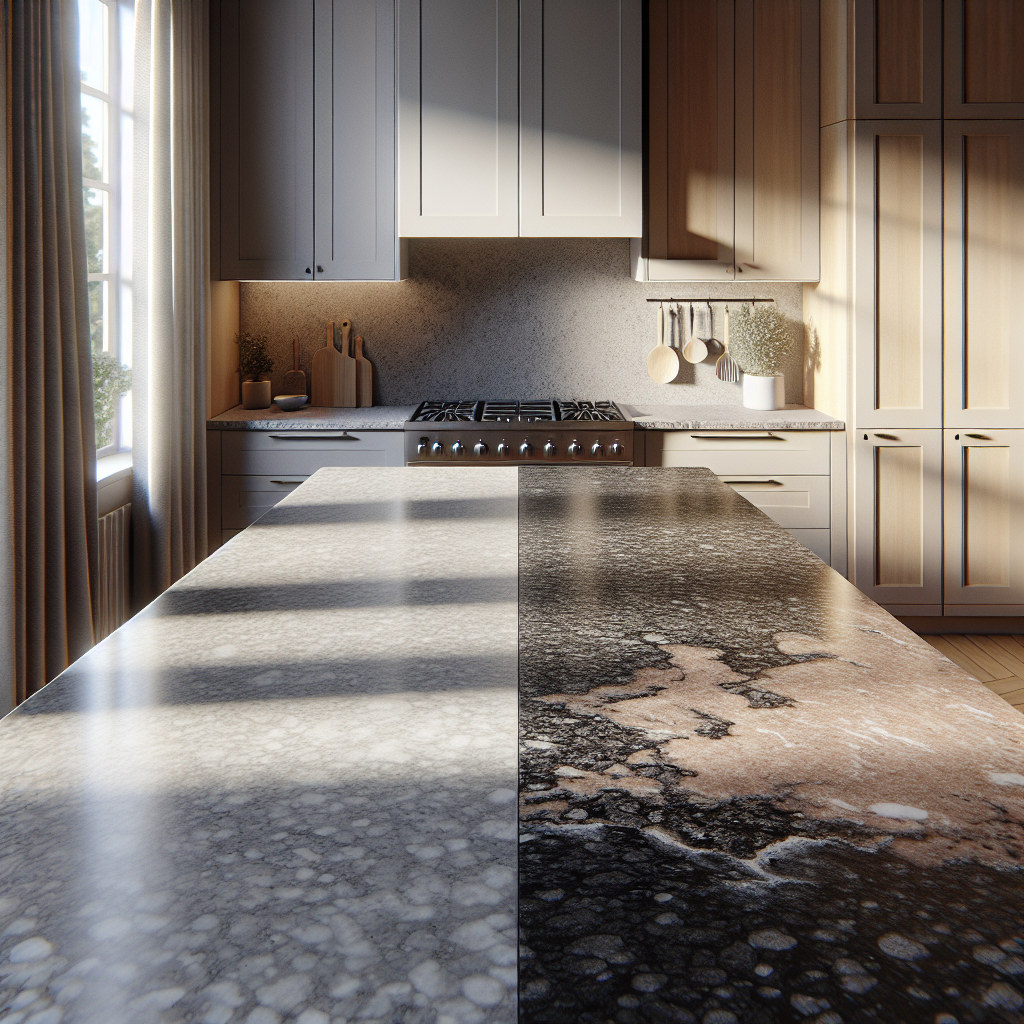
Granite is an igneous rock primarily composed of three key minerals: quartz, feldspar, and mica. These minerals crystallize from molten rock that cools slowly beneath the earth’s surface, giving granite its distinctive granular appearance and making it one of the hardest and most durable natural stones available.
Quartz, typically constituting about 20-60% of the granite’s composition, is a hard, crystalline mineral that contributes to granite’s overall strength and durability. Its presence also adds a gleaming, translucent quality to the stone. Feldspar makes up around 35-50% of granite and comes in a variety of colors, from white to pink to gray, depending on its chemical composition. This mineral is responsible for the stone’s color variations and its resistance to weathering. Mica, often found in small quantities (about 5-10%), adds flecks of black, brown, or silver to the stone and contributes to its lustrous sheen.
In addition to these primary minerals, granite can contain trace amounts of other elements such as hornblende, magnetite, and biotite, which can affect its color and texture. The unique combination of these minerals results in a wide range of granite types, each with its own distinctive look and properties, making it a versatile choice for various design applications.
Role of Quartz in Granite Formation
The role of quartz in granite formation is pivotal to understanding the unique characteristics of this remarkable stone. Quartz is a silica-based mineral that forms under high-temperature and high-pressure conditions deep within the Earth’s crust. During the slow cooling process of molten rock, quartz crystals gradually develop, integrating with other minerals like feldspar and mica to form granite.
Quartz contributes significantly to the overall durability and hardness of granite. Its crystalline structure is inherently strong, making granite one of the most robust natural stones available, suitable for high-traffic areas such as kitchen countertops and bathroom vanity tops. Additionally, the presence of quartz enhances the aesthetic appeal of granite. The translucent and often shimmering quality of quartz crystals adds depth and a subtle sparkle to the stone, elevating its visual allure.
Furthermore, quartz’s chemical composition makes granite highly resistant to chemical weathering and staining. This resistance is particularly beneficial in environments where the stone is exposed to various substances and frequent use. The robustness and low porosity imparted by quartz make granite a practical and long-lasting material for both residential and commercial projects.
In summary, quartz is not just a component of granite but a defining element that significantly influences its physical properties and aesthetic appeal. Its role in granite formation underscores the stone’s versatility and enduring popularity in design and architecture.
Properties and Characteristics of Quartz
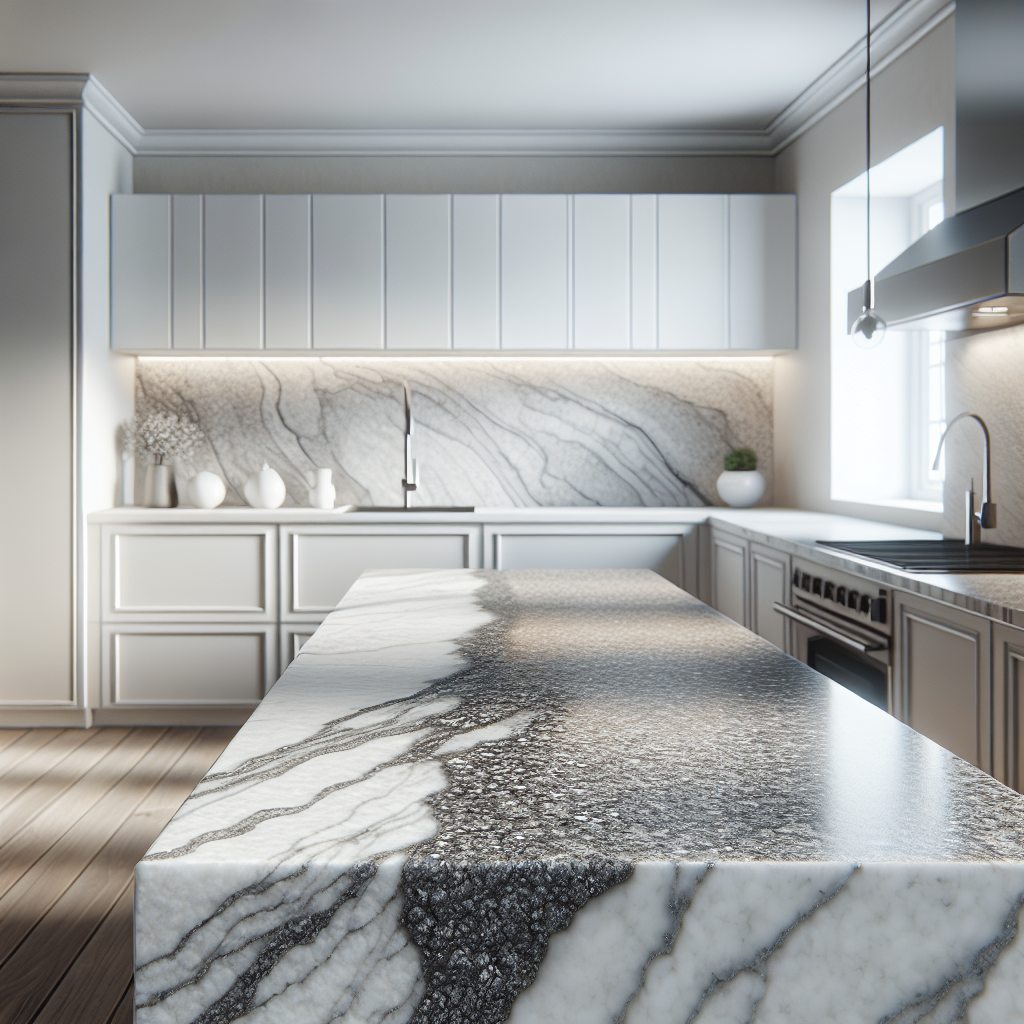
Quartz is renowned for its distinctive properties and characteristics that make it a highly sought-after material in various applications, especially in the construction and design industries. One of its most notable properties is its exceptional hardness, ranking 7 on the Mohs scale. This makes quartz an incredibly durable material, resistant to scratches and abrasions, which is why it is commonly used for kitchen countertops, bathroom surfaces, and flooring.
Another key characteristic of quartz is its chemical resistance. Quartz is composed of silicon dioxide (SiO2), which is highly resistant to chemical reactions with most substances. This property ensures that quartz surfaces do not easily stain or degrade when exposed to acids, alkalis, and other household chemicals, making it an ideal choice for areas prone to spills and splashes.
In addition to its durability and chemical resistance, quartz is also known for its non-porous nature. Unlike natural stones such as marble and granite, quartz does not have tiny pores or fissures that can harbor bacteria and moisture. This non-porous quality makes quartz surfaces more hygienic and easier to clean, providing a safe and sanitary environment for kitchens and bathrooms.
Quartz also boasts a wide range of aesthetic possibilities. It can be engineered in various colors, patterns, and finishes, allowing for a high degree of customization to suit different design preferences. Whether you prefer a sleek, modern look or a more traditional, classic appearance, quartz can be tailored to meet your specific aesthetic requirements.
Overall, the unique properties and characteristics of quartz make it a versatile and reliable material, perfect for enhancing both the functionality and visual appeal of any space.
Key Differences Between Quartz and Granite

While both quartz and granite are popular choices for countertops and other surfaces, they have distinct differences that set them apart. Understanding these differences can help you make an informed decision for your next project.
Composition: Granite is a natural stone, composed primarily of quartz, feldspar, and mica, which gives it its characteristic speckled appearance. Each slab of granite is unique, with variations in color and pattern. On the other hand, quartz is an engineered stone, made by combining around 90-95% ground natural quartz with resin and pigments. This process results in a more uniform appearance and a wider range of color options.
Durability: Both materials are highly durable, but they have different strengths. Granite is heat-resistant and can withstand high temperatures, making it suitable for kitchen countertops where hot pots and pans are common. Quartz, while also durable, is more susceptible to heat damage and should be protected from direct heat exposure. However, quartz excels in scratch and stain resistance due to its non-porous nature, whereas granite can be more prone to staining if not properly sealed.
Maintenance: Granite requires regular sealing to maintain its resistance to stains and moisture. This periodic maintenance can be a drawback for some homeowners. Quartz, being non-porous, does not require sealing and is easier to maintain. A simple wipe-down with soap and water is usually sufficient to keep quartz surfaces looking pristine.
Aesthetics: Granite’s natural variations are a significant draw for those who appreciate the unique, one-of-a-kind look of natural stone. Each granite slab has its own distinct pattern and color, providing a sense of individuality. Quartz offers a more consistent and uniform appearance, with the ability to mimic the look of natural stone or explore more contemporary designs. This makes quartz a versatile choice for a wide range of styles.
In summary, the choice between quartz and granite comes down to personal preference and project requirements. Whether you prioritize the natural beauty and heat resistance of granite or the low maintenance and uniform appearance of quartz, both materials offer excellent options for enhancing your space.
Applications and Uses in Home Design

When it comes to home design, both quartz and granite offer versatile applications that can significantly enhance the aesthetics and functionality of your spaces. These premium materials are not only used for countertops but also extend to various other areas in your home.
Kitchen Countertops: One of the most common applications for both quartz and granite is kitchen countertops. Granite’s ability to withstand high temperatures makes it ideal for areas where hot cookware is frequently used. Quartz, with its non-porous and stain-resistant properties, is perfect for busy kitchens where spills are a regular occurrence.
Bathroom Vanity Tops: Both materials are excellent choices for bathroom vanity tops. Granite adds a touch of natural elegance, while quartz offers a sleek, modern look with its wide range of color options. The moisture-resistant nature of both materials ensures durability and longevity in wet environments.
Backsplashes: Granite and quartz can be used to create stunning backsplashes that complement your countertops. These materials not only add visual interest but also provide a durable and easy-to-clean surface, protecting your walls from splashes and spills.
Flooring: For those seeking a luxurious and durable flooring option, granite is a popular choice due to its natural beauty and strength. While less common, quartz can also be used for flooring, offering a more uniform appearance and a range of design possibilities.
Fireplace Surrounds: Both materials can be utilized to create striking fireplace surrounds. Granite’s heat resistance makes it a safe and attractive option, while quartz’s versatility allows for a variety of styles, from classic to contemporary.
Outdoor Spaces: Granite is often used in outdoor kitchens, patios, and other exterior applications due to its natural resistance to the elements. Quartz, though primarily used indoors, can also be engineered for outdoor use with proper care and maintenance.
At BR Stone, we offer an extensive selection of premium quartz and granite slabs to suit any design preference and project requirement. Call Us Today to Schedule an Appointment: (561) 810-8586 in Boynton Beach (954) 984-7007 in Pompano Beach and let us help you bring your design vision to life with the perfect stone for your home.