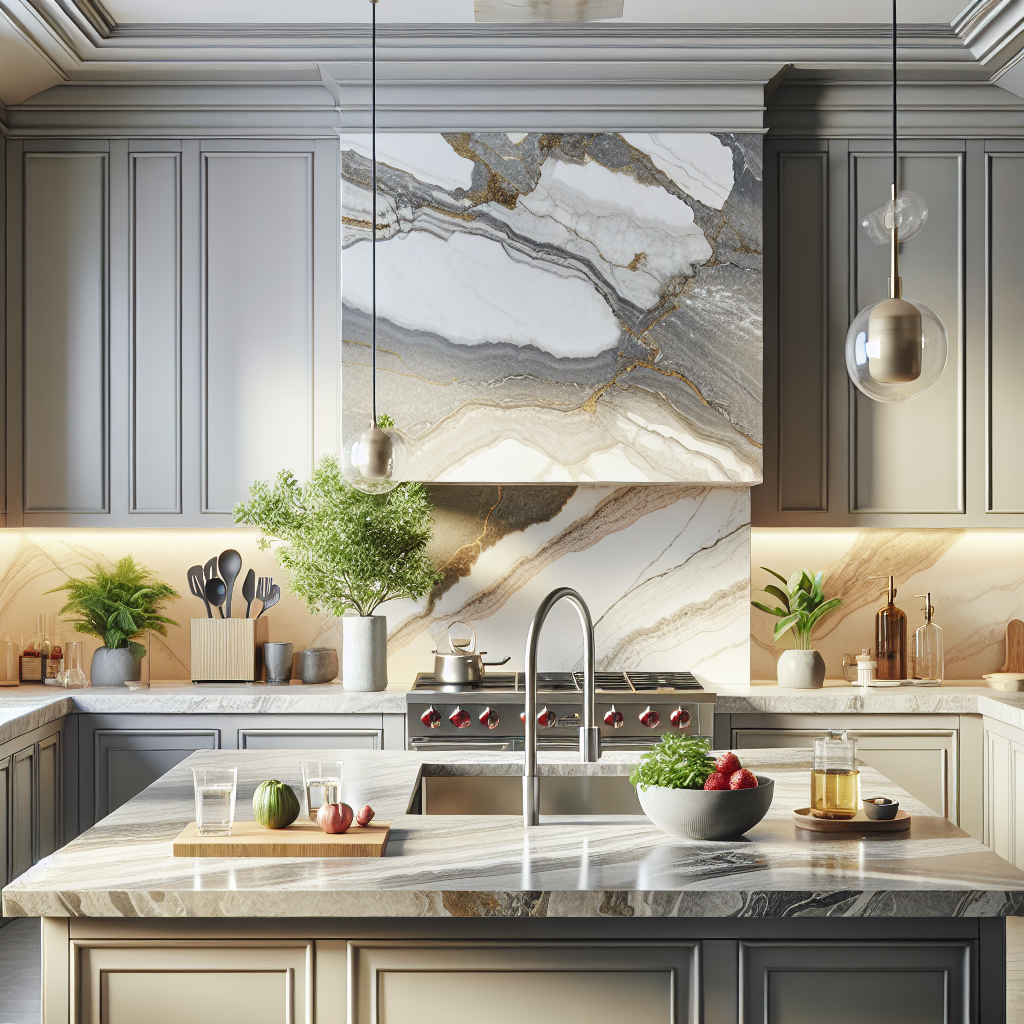



Quartz countertops have become a popular choice for homeowners due to their stunning appearance and exceptional durability. Engineered from a combination of natural quartz crystals, resins, and pigments, these surfaces offer a unique blend of beauty and strength. However, one common question that arises is: is it safe to put hot pans on quartz countertops?
Understanding the heat resistance of quartz countertops is crucial for maintaining their longevity and aesthetic appeal. While quartz is highly durable and resistant to many forms of damage, it is not entirely impervious to heat. Placing hot cookware directly on the surface can result in thermal shock, causing the resin to discolor or crack.
Therefore, it is essential to take precautions to protect your quartz countertops from excessive heat. Using trivets, hot pads, or heat-resistant mats can safeguard the surface from potential damage. By following these simple practices, you can enjoy the elegance and functionality of your quartz countertops for years to come.
Call Us Today to Schedule an Appointment:
(561) 810-8586 in Boynton Beach
(954) 984-7007 in Pompano Beach
https://brstonemarbleandgranite.com
Understanding Quartz Countertop Composition
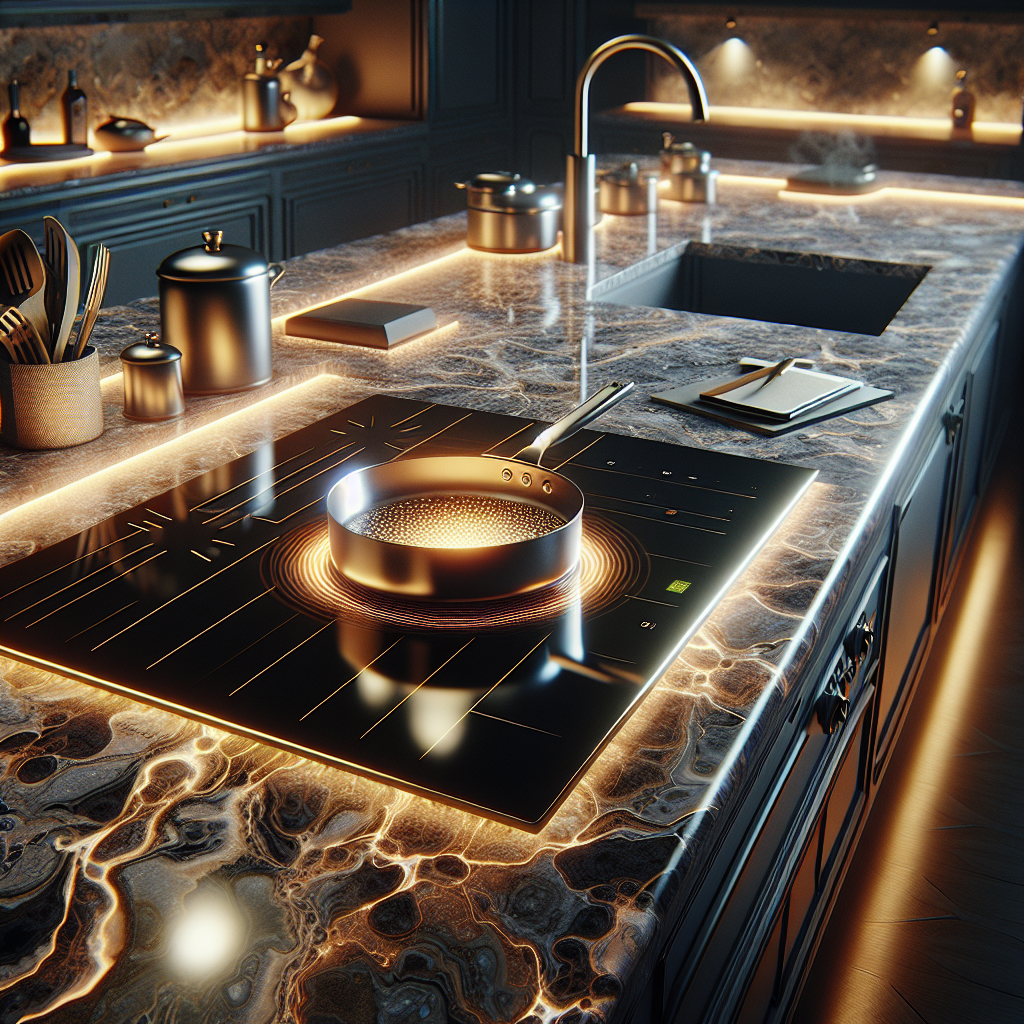
To comprehend why heat can affect quartz countertops, it’s essential to understand their composition. Quartz countertops are engineered from a blend of approximately 90% to 95% natural quartz crystals and 5% to 10% resins, polymers, and pigments. This combination creates a highly durable, non-porous surface that is both beautiful and functional.
Natural quartz is one of the hardest minerals found in the earth, which contributes to the countertop’s exceptional scratch and stain resistance. The resins and polymers, however, play a crucial role in binding the quartz crystals together and providing the surface with its characteristic luster and finish. These resins are also responsible for the flexibility and slight give that quartz countertops exhibit, which can be beneficial in preventing cracks and chips.
However, the presence of resins and polymers introduces a vulnerability to heat. Unlike natural stone surfaces such as granite or marble, which can withstand higher temperatures, the synthetic components in quartz can react negatively to extreme heat. When exposed to high temperatures, the resins can warp, discolor, or even crack, leading to potential damage to your countertop.
This understanding of the composition of quartz countertops highlights the importance of using protective measures when dealing with hot items in the kitchen. By being mindful of the materials that make up your quartz surface, you can take the necessary steps to ensure its longevity and maintain its stunning appearance.
Heat Resistance of Quartz Countertops
The heat resistance of quartz countertops is a crucial factor to consider, especially in a bustling kitchen environment. While quartz is renowned for its durability and resilience, its ability to withstand high temperatures is somewhat limited compared to natural stones such as granite or marble.
Quartz countertops can generally tolerate temperatures up to about 150°F to 200°F (65°C to 93°C) without sustaining damage. This range is sufficient for everyday kitchen activities, including placing warm dishes or briefly resting a hot pan. However, exposure to temperatures beyond this threshold can cause the resin binders within the quartz to degrade. This degradation can manifest as discoloration, warping, or even cracking.
It’s important to note that thermal shock is a significant risk for quartz countertops. Thermal shock occurs when there is a rapid change in temperature, such as placing a hot pan directly onto a cold countertop. This abrupt temperature shift can cause the materials to expand and contract at different rates, leading to cracks or other forms of damage.
To protect your quartz countertops from heat-related issues, it’s advisable to use trivets, hot pads, or cutting boards when handling hot cookware. These protective measures not only safeguard the surface from immediate heat damage but also help in maintaining the longevity and aesthetics of your countertop. Incorporating these simple precautions into your kitchen routine can make a substantial difference in preserving the beauty and functionality of your quartz surfaces.
Potential Risks of Placing Hot Pans on Quartz
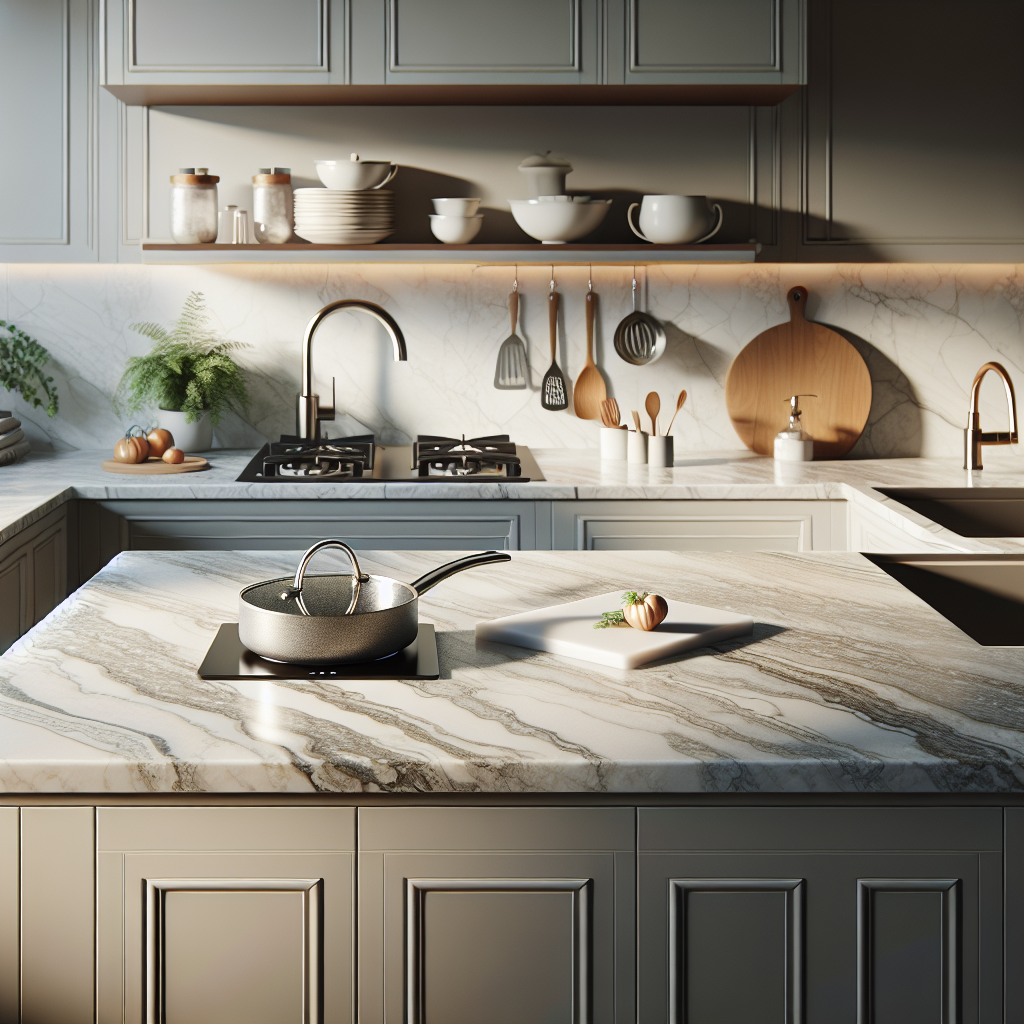
Placing hot pans directly on quartz countertops can lead to several potential risks, compromising both the appearance and structural integrity of the surface. One of the most common issues is thermal shock, which occurs when a sudden change in temperature causes the quartz and the resin binders to expand and contract at different rates. This can result in cracks, fissures, or even complete breaks in the countertop.
Another significant risk is discoloration. Quartz countertops are engineered using a combination of natural quartz and resin binders. When exposed to excessive heat, the resin can discolor, leaving unsightly marks or spots on the surface. These marks are often permanent and can detract from the overall beauty of your countertop.
In addition to cracks and discoloration, warping is another potential risk. Prolonged heat exposure can cause the resin to soften and the countertop to warp or become uneven. This not only affects the aesthetic appeal but also the functionality of the countertop, making it difficult to use as a flat, stable surface for food preparation or other activities.
Furthermore, repeated exposure to high temperatures can lead to a gradual breakdown of the resin binders, resulting in a less durable and more fragile countertop over time. This degradation can make the surface more susceptible to other types of damage, such as scratches and chips.
To avoid these risks, it is advisable to always use protective measures like trivets, hot pads, or cutting boards when placing hot items on your quartz countertops. Doing so can help maintain the pristine condition of your surfaces and extend their lifespan.
Best Practices for Protecting Quartz Surfaces
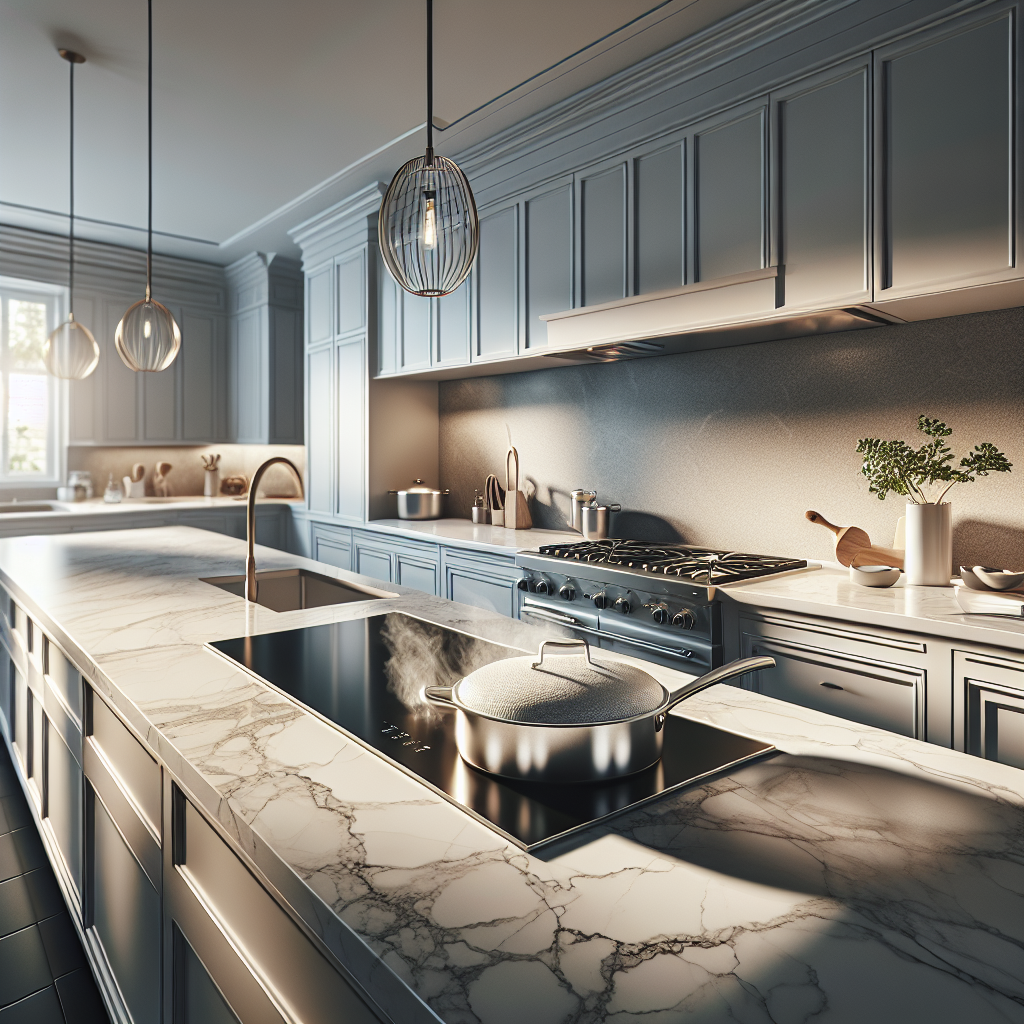
Protecting your quartz surfaces is essential to maintain their longevity and beauty. Following a few best practices can help you keep your countertops in pristine condition for years to come. Here are some key tips:
- Use Trivets and Hot Pads: Always place trivets or hot pads under hot pans, pots, or any other heated objects. This prevents direct contact between the hot item and the quartz surface, reducing the risk of thermal shock, discoloration, and warping.
- Clean Spills Promptly: Quartz is resistant to most stains, but it’s still a good idea to clean up spills as soon as they occur. Use a mild soap and water solution or a specialized quartz cleaner to wipe away spills. Avoid harsh chemicals or abrasive cleaners that can damage the surface.
- Use Cutting Boards: Although quartz is scratch-resistant, it’s not scratch-proof. Using a cutting board when chopping or slicing food can prevent potential scratches and keep the surface looking smooth and flawless.
- Avoid Harsh Chemicals: Avoid using bleach, acidic cleaners, or other harsh chemicals on your quartz countertops. These substances can damage the resin binders and lead to discoloration or dullness over time. Stick to pH-neutral cleaners specifically designed for quartz.
- Regular Maintenance: Regularly wipe down your quartz surfaces with a soft cloth and a mild cleaning solution. Periodic maintenance helps to remove any buildup of dirt or grime and keeps the surface shiny and clean.
- Protect from Direct Sunlight: Prolonged exposure to direct sunlight can cause the resin in quartz countertops to yellow or fade. If your countertops are in a sunlit area, consider using curtains or blinds to reduce direct sunlight exposure.
By incorporating these best practices into your daily routine, you can ensure that your quartz countertops remain as beautiful and functional as the day they were installed. Taking these simple steps will help you enjoy the elegance and durability of quartz surfaces for many years.
Alternative Solutions for Hot Pan Safety
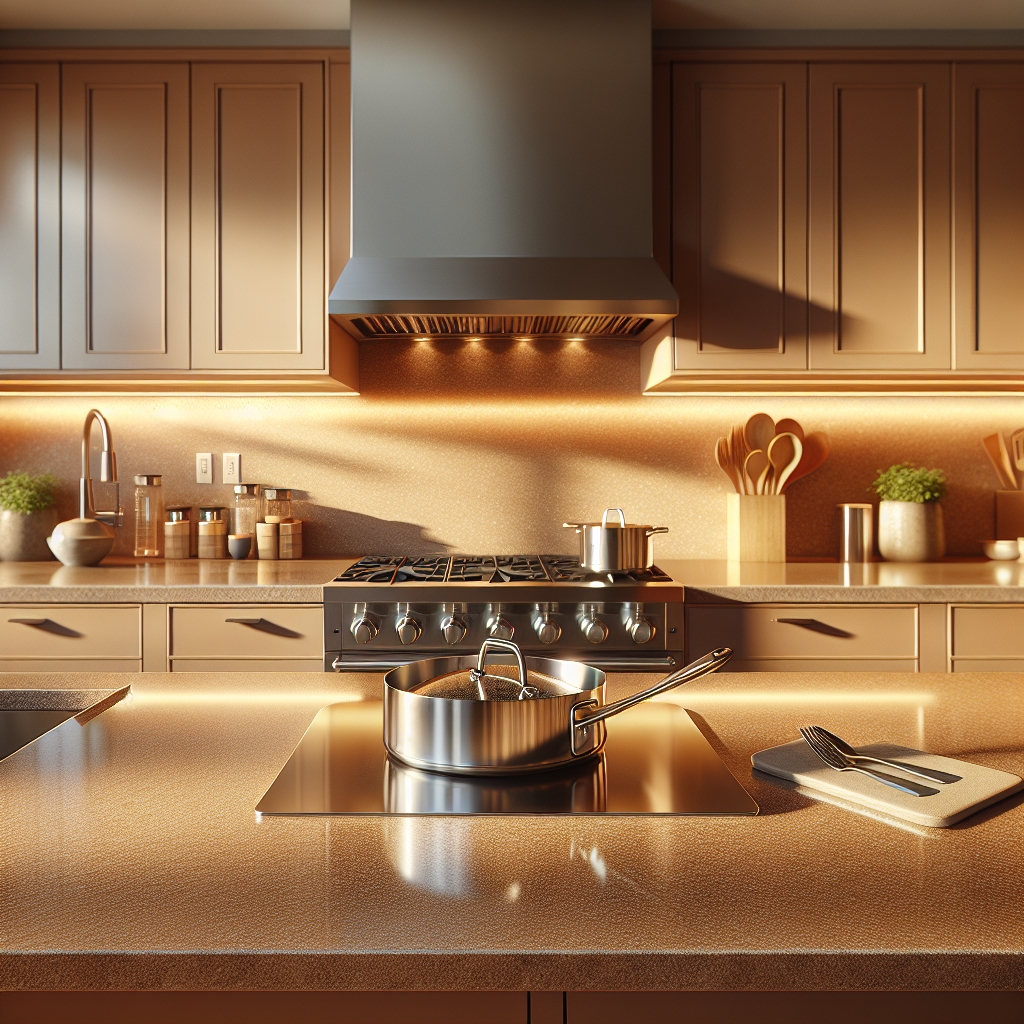
While quartz countertops are a popular choice for their durability and aesthetic appeal, it’s crucial to consider alternative solutions to ensure hot pan safety. These methods can provide additional protection and extend the lifespan of your beautiful surfaces:
- Invest in Heat-Resistant Mats: Heat-resistant mats are specifically designed to withstand high temperatures and can be placed on your countertops to shield them from hot pans. These mats come in various sizes and designs, making it easy to find one that fits your kitchen decor.
- Consider a Butcher Block Section: Incorporating a butcher block section into your kitchen design can offer a designated area for placing hot pans. This not only protects your quartz countertops but also adds a rustic touch to your kitchen aesthetic.
- Install a Stainless Steel Countertop Insert: A stainless steel insert can provide a safe and heat-resistant surface for hot pans. Stainless steel is known for its high heat tolerance and durability, making it an excellent addition to any kitchen layout.
- Use Portable Burners or Hot Plates: Portable burners or hot plates can be used as a safe surface for hot pans. These devices are convenient, especially when hosting large gatherings or during extensive cooking sessions, as they offer additional cooking space and protection for your countertops.
- Choose Heat-Resistant Countertop Alternatives: If you are in the planning stages of your kitchen renovation, consider heat-resistant countertop materials such as granite or stainless steel. These materials can handle higher temperatures and provide an extra layer of safety for hot pans.
Implementing these alternative solutions will help maintain the integrity and appearance of your quartz countertops, ensuring they remain a stunning feature of your kitchen. If you’re looking for more personalized advice or high-quality materials for your kitchen renovation, Call Us Today to Schedule an Appointment: (561) 810-8586 in Boynton Beach (954) 984-7007 in Pompano Beach.