


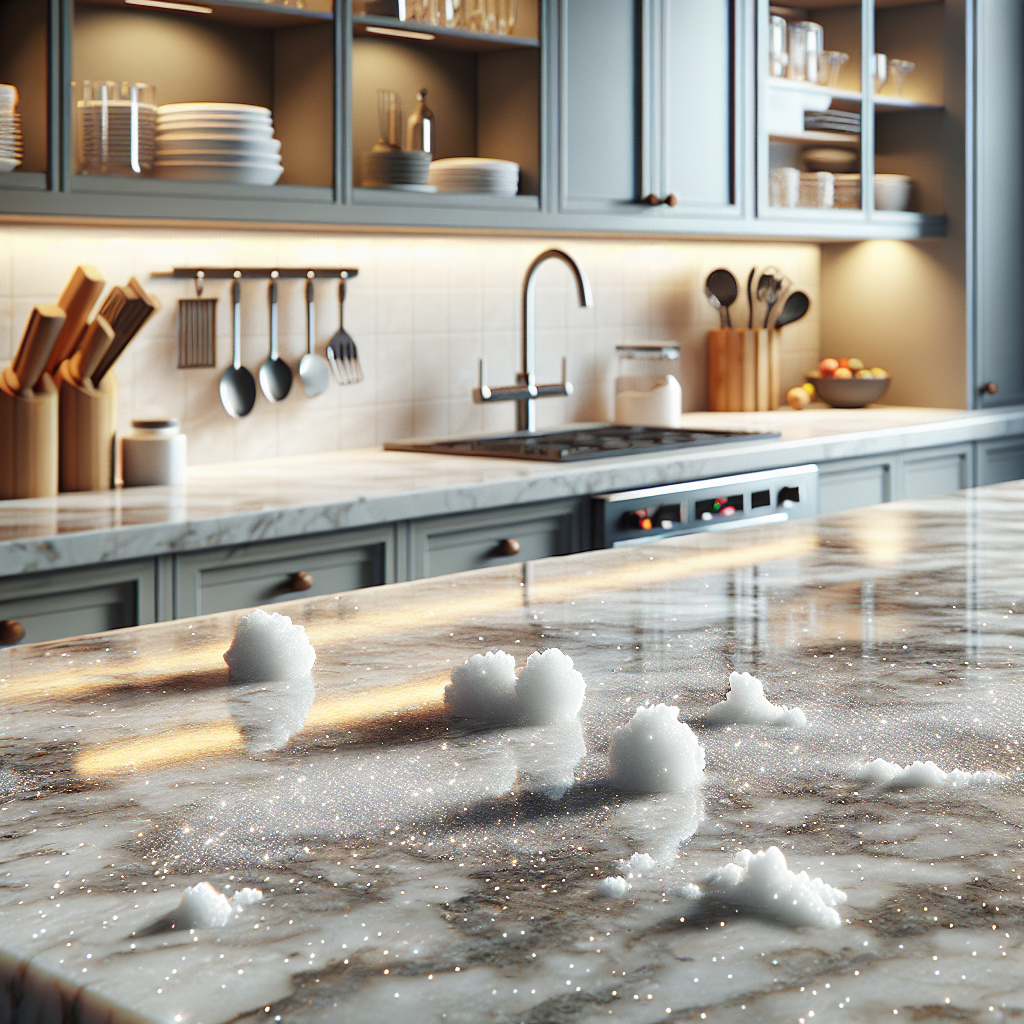
Quartz countertops are renowned for their durability, elegance, and low maintenance, making them a popular choice for both kitchens and bathrooms. However, over time, you might notice the appearance of white, chalky spots on your quartz surfaces. These are calcium deposits, which are primarily caused by hard water. When water with high mineral content evaporates, it leaves behind these unsightly deposits.
Understanding the nature of calcium deposits is the first step in effectively addressing the issue. These deposits can make even the most pristine quartz countertop look dull and neglected. It’s crucial to know that while quartz is highly resistant to many types of stains, it still requires proper care to maintain its beauty.
If you’re struggling with calcium deposits on your quartz countertops and want to restore their original shine, keep reading to discover practical solutions. For personalized advice and top-notch quartz materials, Call Us Today to Schedule an Appointment: (561) 810-8586 in Boynton Beach (954) 984-7007 in Pompano Beach.
Causes of Calcium Deposits on Quartz
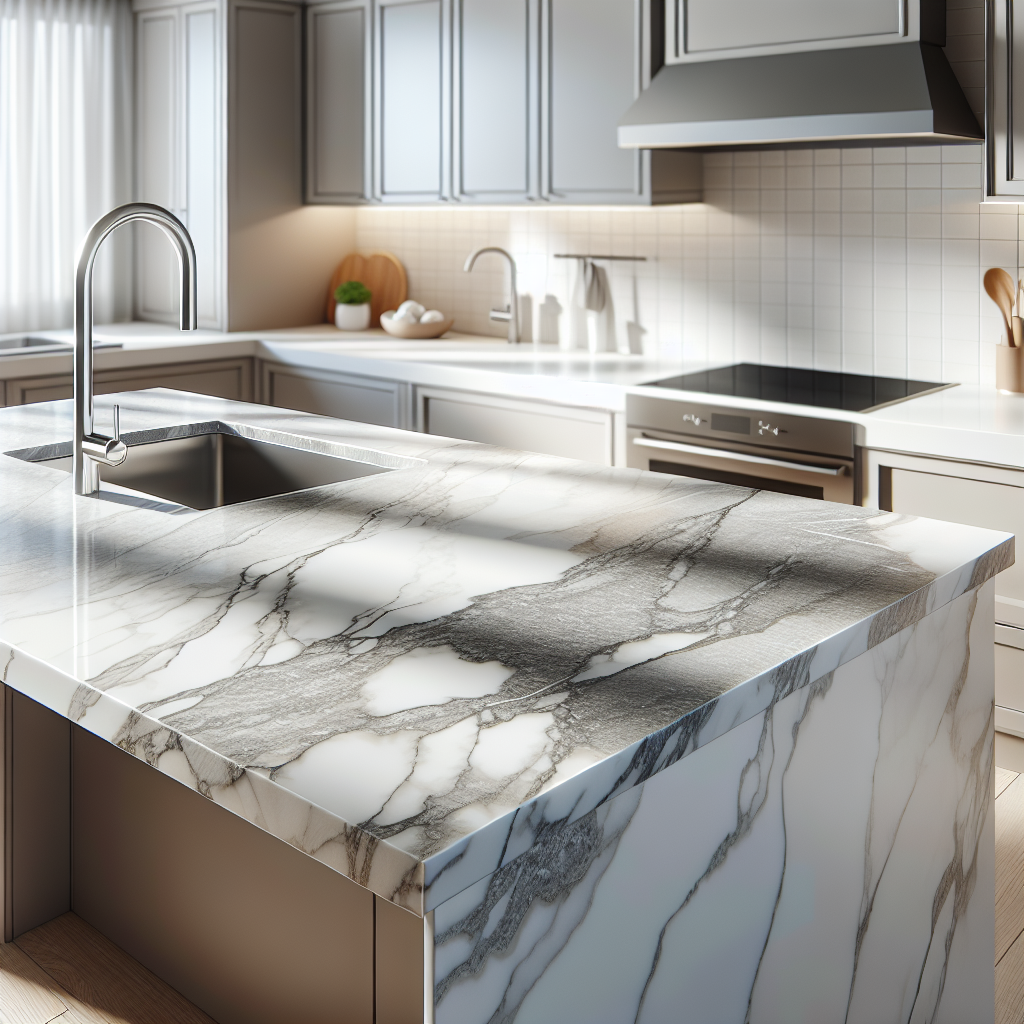
Calcium deposits on quartz countertops can be a common issue, especially in areas with hard water. Hard water contains high concentrations of minerals, particularly calcium and magnesium. When this water comes into contact with your quartz surfaces and evaporates, it leaves behind these mineral residues, resulting in the formation of calcium deposits.
Several factors can contribute to the accumulation of calcium deposits:
- Water Quality: The primary cause is hard water. Homes with hard water are more susceptible to mineral buildup on various surfaces, including quartz countertops.
- Spills and Splashes: Frequent spills and splashes of tap water, especially around sinks and faucets, can lead to localized calcium deposits if not wiped up promptly.
- Improper Cleaning: Using the wrong cleaning agents or neglecting regular maintenance can also contribute to calcium buildup. Some cleaners may leave behind residues that attract minerals from water.
- Standing Water: Allowing water to sit on the countertop for extended periods, such as under a dish rack or around a faucet, increases the likelihood of mineral deposit formation.
Understanding these causes can help you take proactive measures to prevent calcium deposits from forming in the first place. Regular cleaning and maintenance play a crucial role in keeping your quartz countertops looking their best.
Preparing the Countertop for Cleaning
Before diving into the actual cleaning process, it’s essential to prepare your quartz countertop properly. Proper preparation ensures that the cleaning methods used will be effective and safe for your countertop surface.
Here’s a step-by-step guide to preparing your countertop for cleaning:
- Clear the Surface: Remove any items, such as kitchen utensils, appliances, or decorative pieces, from the countertop. This provides a clear and unobstructed area for cleaning.
- Wipe Down the Countertop: Use a soft, dry cloth or microfiber towel to wipe away any loose debris, dust, or crumbs. This initial wipe-down helps prevent scratching the quartz surface during cleaning.
- Inspect for Stains: Carefully inspect the countertop for any visible stains or spots. Identifying these areas will help you focus on them during the cleaning process.
- Gather Cleaning Supplies: Assemble the necessary cleaning supplies. You’ll need a pH-balanced, non-abrasive cleaner, soft cloths or sponges, and, for tougher calcium deposits, a mixture of vinegar and water or a specialized stone cleaner.
- Test Cleaning Solution: Before applying any cleaning solution to the entire countertop, test it on a small, inconspicuous area. This ensures that the cleaner won’t damage or discolor the quartz surface.
By thoroughly preparing your countertop, you set the stage for effective cleaning. This preparation not only helps in removing calcium deposits efficiently but also protects your quartz surface from potential damage.
Effective Cleaning Solutions for Calcium Deposits
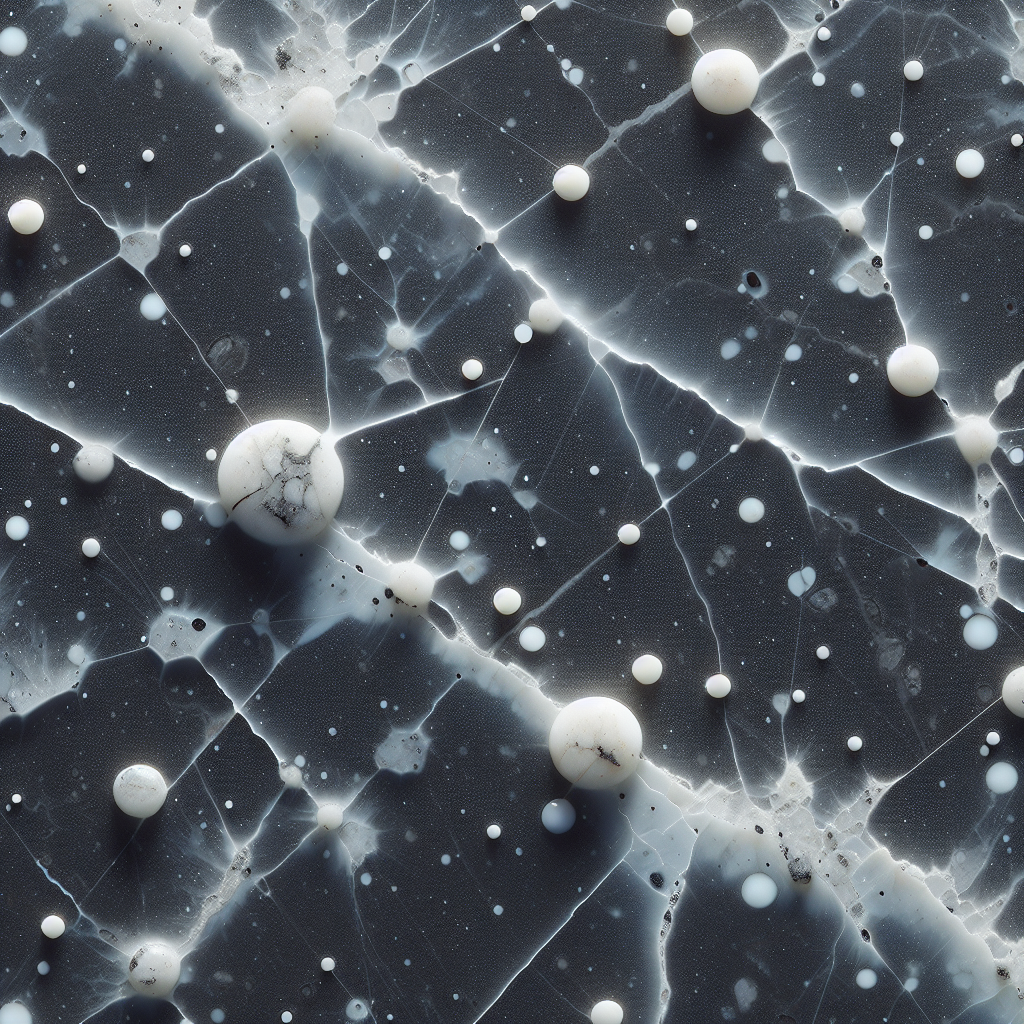
When it comes to tackling those stubborn calcium deposits on your quartz countertops, using the right cleaning solutions is crucial. The following methods are both effective and safe for maintaining the pristine look of your quartz surfaces:
- Vinegar and Water Solution: One of the most popular and natural cleaning solutions is a mixture of white vinegar and water. Combine equal parts of vinegar and warm water in a spray bottle. Spray the solution directly onto the calcium deposits and let it sit for a few minutes. Then, use a soft cloth or sponge to gently scrub the area. The acidity in the vinegar helps to dissolve the mineral buildup without damaging the quartz.
- Commercial Stone Cleaners: There are various commercial stone cleaners specifically designed for quartz surfaces. These pH-balanced, non-abrasive cleaners are formulated to break down calcium deposits effectively. Follow the manufacturer’s instructions for the best results, and always test the cleaner on a small, inconspicuous area first.
- Baking Soda Paste: For more stubborn deposits, create a paste using baking soda and a small amount of water. Apply the paste to the affected area and let it sit for about 10-15 minutes. Then, gently scrub with a soft cloth or sponge and rinse thoroughly with water. Baking soda is mildly abrasive, so it can help in removing deposits without scratching the surface.
- Lemon Juice: Another natural remedy is lemon juice, which contains citric acid that effectively breaks down calcium deposits. Apply fresh lemon juice to the affected area, let it sit for a few minutes, and then scrub gently with a soft cloth. Rinse thoroughly with water to remove any residue.
These cleaning solutions are not only effective but also safe for your quartz countertops. Remember to always avoid harsh chemicals or abrasive scrubbers, as they can damage the surface and dull the finish of your quartz.
Preventive Measures for Future Deposits
While removing calcium deposits from quartz countertops is essential, taking preventive measures can help minimize future buildups. Here are some effective strategies to keep your countertops looking pristine:
- Regular Cleaning: Consistent cleaning is key to preventing calcium deposits. Wipe down your countertops daily with a soft cloth and a mild, pH-balanced cleaner. This routine helps to remove any minerals before they have a chance to accumulate.
- Use Coasters and Trivets: Placing coasters under drinks and trivets under hot pots and pans can significantly reduce the likelihood of mineral deposits. This practice prevents direct contact between the countertop surface and substances that can contribute to calcium buildup.
- Dry Wet Areas Promptly: Standing water is a major culprit in calcium deposits. Always dry wet areas immediately using a soft cloth. Pay special attention to areas around sinks and faucets where water is more likely to collect.
- Install a Water Softener: If your home has hard water, consider installing a water softener. Hard water is rich in minerals like calcium and magnesium, which contribute to deposits. A water softener can reduce the mineral content and prevent buildup on your surfaces.
- Seal Your Countertops: Even though quartz is non-porous, sealing it can provide an extra layer of protection. A good quality sealant can help repel water and other substances, making it easier to clean and less likely for deposits to form.
By implementing these preventive measures, you can maintain the beauty and functionality of your quartz countertops. A proactive approach not only saves time and effort in cleaning but also extends the lifespan of your surfaces.
Maintaining the Beauty of Quartz Countertops
Maintaining the beauty of quartz countertops involves more than just cleaning; it requires a comprehensive approach to care and upkeep. Here are some tips to ensure your quartz surfaces remain stunning and functional for years to come:
- Avoid Harsh Cleaners: Use only mild, pH-balanced cleaners for your quartz countertops. Harsh chemicals, abrasive pads, and acidic substances can damage the surface and diminish its shine.
- Immediate Spill Cleanup: Spills should be wiped up immediately to prevent staining. Quartz is non-porous, but prolonged exposure to certain substances can still cause discoloration.
- Routine Sealing: Although quartz doesn’t require frequent sealing, applying a sealant once a year can provide extra protection against stains and scratches.
- Use Cutting Boards: Always use cutting boards for food preparation. While quartz is scratch-resistant, cutting directly on the surface can cause minor damage over time.
- Avoid Extreme Heat: Protect your quartz countertops from extreme heat by using trivets or hot pads under hot cookware. Sudden temperature changes can cause thermal shock and damage the surface.
By following these maintenance tips, you can preserve the pristine appearance of your quartz countertops and enjoy their beauty and functionality for many years. Taking a proactive approach to care not only enhances the longevity of your countertops but also keeps them looking as good as new.
Call Us Today to Schedule an Appointment: (561) 810-8586 in Boynton Beach (954) 984-7007 in Pompano Beach or visit our website to learn more.