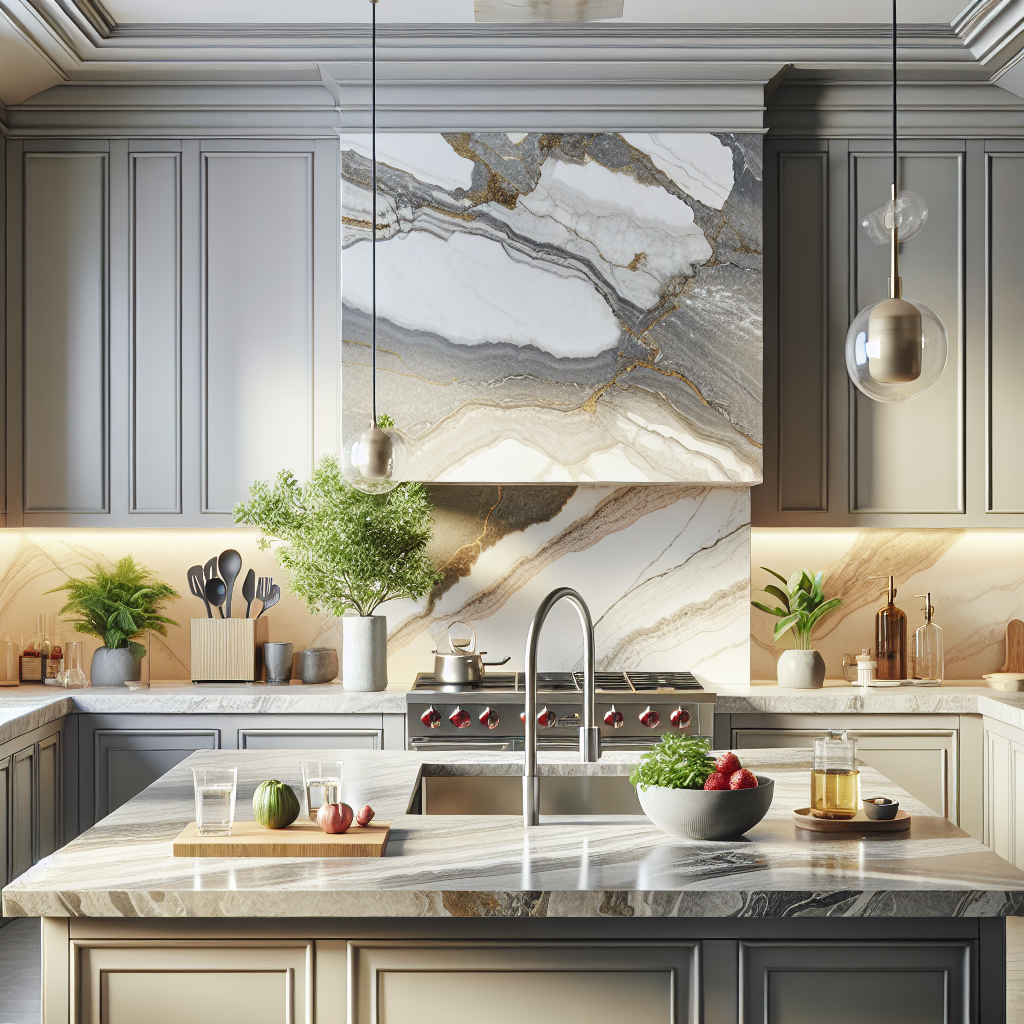



Quartz countertops have become a popular choice for homeowners and designers alike due to their stunning appearance and remarkable durability. These countertops are engineered from a combination of natural quartz crystals and synthetic materials, making them a versatile and reliable option for various spaces, including kitchens and bathrooms.
One of the most significant benefits of quartz countertops is their ability to mimic the look of natural stone while offering superior performance. Unlike natural stones such as marble or granite, quartz countertops are non-porous, which means they are resistant to stains, scratches, and bacteria. This makes them an excellent choice for areas that require high levels of hygiene and ease of maintenance.
Another advantage of quartz countertops is the wide range of colors and patterns available. Whether you’re looking for a sleek, modern design or a more traditional, classic look, there is a quartz countertop to suit your style. The consistency in color and pattern also ensures that your countertop will look exactly as you envisioned, without the unpredictability that can come with natural stone.
By choosing quartz countertops, you are investing in both the aesthetics and functionality of your space. These countertops not only enhance the visual appeal of your home but also offer long-lasting durability that can withstand the rigors of daily use.
Call Us Today to Schedule an Appointment: (561) 810-8586 in Boynton Beach (954) 984-7007 in Pompano Beach. For more information, visit our website.
Sourcing Raw Materials for Quartz
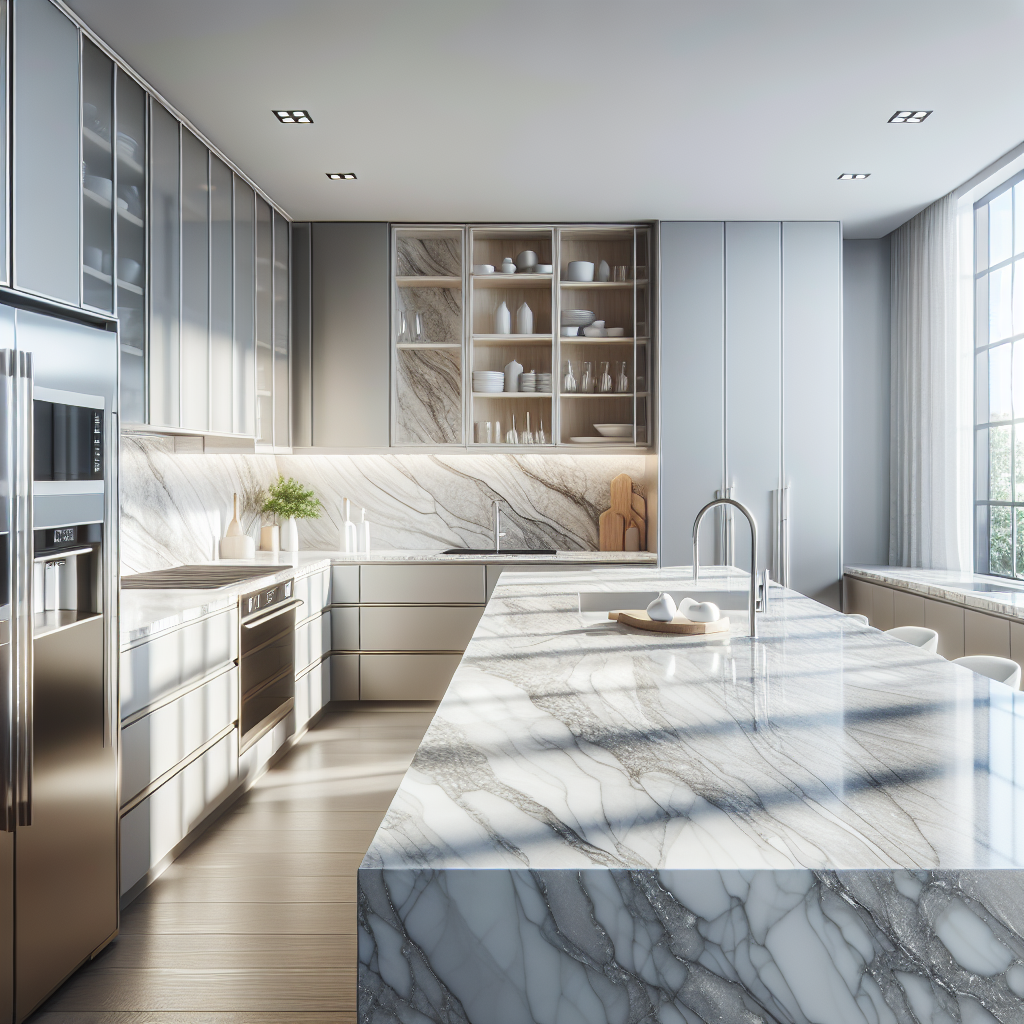
The journey of creating beautiful quartz countertops begins with sourcing the raw materials. The primary ingredient in quartz countertops is naturally occurring quartz, one of the hardest minerals on earth. This mineral is mined from quarries around the world, including locations in the United States, Brazil, and India.
To ensure the quality and consistency of the final product, manufacturers source quartz crystals that meet strict standards for purity and size. These crystals are carefully extracted from the earth using environmentally responsible methods. Once mined, the quartz is transported to processing facilities where it undergoes a series of steps to prepare it for countertop production.
In addition to quartz crystals, the manufacturing process involves the use of resins and pigments. The resin acts as a binding agent, holding the quartz particles together, while the pigments provide the desired color and pattern. High-quality resins are chosen to enhance the durability and longevity of the countertops, ensuring they can withstand daily wear and tear.
Various additives may also be included to improve the properties of the countertops. For instance, some manufacturers add antimicrobial agents to create surfaces that resist bacterial growth, making them ideal for kitchens and bathrooms. Other additives can enhance the UV resistance of the countertops, ensuring they maintain their color and beauty when exposed to sunlight.
By carefully selecting and sourcing the best raw materials, manufacturers can produce quartz countertops that are not only visually stunning but also highly functional and durable.
The Manufacturing Process Explained

Once the raw materials are sourced, the manufacturing process of quartz countertops begins. This sophisticated and highly controlled process ensures the creation of stunning and durable surfaces. The first step involves mixing the raw quartz crystals with resin and pigments. This mixture is carefully measured and blended to create a homogeneous material.
Next, the mixture is poured into molds. These molds are used to form the quartz slabs into specific sizes and shapes. To remove any air pockets and ensure the mixture is compact, the filled molds undergo a process called vibrocompression. This involves vibrating the molds while applying pressure, which helps to consolidate the mixture and eliminate any voids.
Once the slabs are compacted, they are then subjected to a curing process. This step involves placing the slabs in a kiln where they are heated to a high temperature. The heat causes the resin to harden and bond the quartz particles together, creating a solid and durable slab. This curing process also enhances the strength and stability of the countertop material.
After curing, the slabs are cooled and removed from the molds. At this stage, they are still rough and require further processing to achieve the desired finish. The slabs are then polished using a series of progressively finer abrasives. This polishing process gives the countertops their smooth and glossy surface, enhancing their aesthetic appeal.
Finally, the polished slabs undergo a rigorous quality control inspection. This ensures that they meet the highest standards for color, pattern consistency, and structural integrity. Only the slabs that pass this inspection are approved for use as countertops, ensuring that customers receive a top-quality product.
Crafting the Quartz Countertop Design

With the quartz slabs meticulously prepared, the next phase involves crafting the design of the quartz countertops. This stage is crucial as it transforms the raw slabs into bespoke pieces tailored to fit specific kitchen or bathroom layouts. The process begins with precise measurements and templating. Skilled craftsmen or advanced digital tools are used to measure the exact dimensions and shapes required for the countertops.
Once the measurements are taken, templates are created to serve as guides for cutting the slabs. These templates ensure that the countertops will fit perfectly within the designated spaces, taking into account every curve, angle, and edge. The slabs are then carefully marked according to these templates.
The cutting process involves the use of advanced machinery such as CNC (Computer Numerical Control) machines or water jet cutters. These tools allow for highly accurate and intricate cuts, ensuring that the design specifications are met with precision. The slabs are cut into the required shapes and sizes, and any necessary cutouts for sinks, cooktops, or other fixtures are made.
After cutting, the edges of the countertops are finished to the desired style. Whether it’s a simple straight edge, a beveled edge, or an ornate ogee edge, the finishing process is carried out with great attention to detail. The edges are smoothed and polished to match the surface of the countertop, providing a seamless and elegant finish.
The final step in crafting the quartz countertop design is a thorough inspection. Each piece is examined for accuracy in dimensions, quality of cuts, and overall aesthetics. This ensures that the finished countertops are not only beautiful but also meet the highest standards of craftsmanship and durability.
Finishing and Polishing Techniques
Once the quartz slabs have been expertly cut and shaped, the next step is to enhance their appearance and durability through finishing and polishing techniques. This stage is essential in bringing out the natural beauty and shine of the quartz, ensuring the countertops are ready for installation.
Initially, the edges and surfaces of the cut slabs are smoothed using diamond-tipped polishing pads. These pads come in varying grits, starting from coarse to fine, which are used progressively to eliminate any roughness and to create a uniform surface. The use of diamond-tipped tools is crucial due to the hardness of quartz, allowing for precise and efficient polishing.
After the initial smoothing, the countertops undergo a more detailed polishing process. This involves using finer grits of polishing pads to achieve a high-gloss finish or a matte finish, depending on the desired look. The polishing process not only enhances the visual appeal of the quartz but also seals the surface, making it less porous and more resistant to stains and scratches.
In addition to surface polishing, the edges of the countertops are also given special attention. Whether the edge profile is straight, beveled, or more intricate like a bullnose or ogee, each edge is meticulously polished to match the surface finish. This ensures a cohesive and elegant look for the entire countertop.
Finally, a thorough cleaning and inspection are conducted. Any residues from the polishing process are removed, and the countertops are checked for consistency in shine and smoothness. This final inspection guarantees that the quartz countertops meet the highest standards of quality and are ready for the final stage of installation.
Installation and Maintenance Tips
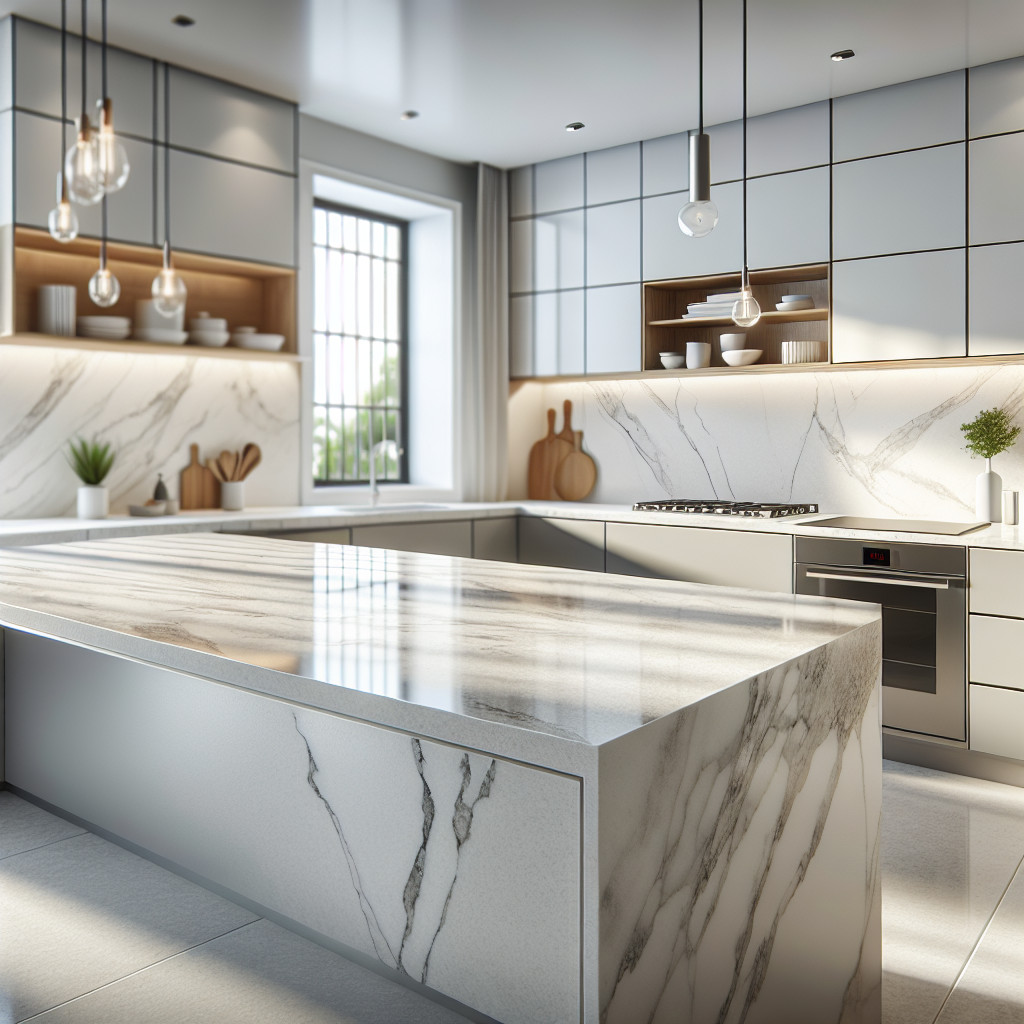
After the quartz countertops have been meticulously finished and polished, the final step is the installation. Proper installation is crucial to ensure the countertops fit seamlessly into your space and provide lasting durability. Here are some key tips for installation and maintenance:
1. Professional Installation: It’s highly recommended to hire professionals for the installation of quartz countertops. They have the expertise and tools necessary to handle the heavy slabs and ensure precise fitting. Professionals will also secure the countertops properly, preventing any movement or damage over time.
2. Seam Placement: During installation, careful consideration is given to the placement of seams. While quartz slabs are large, seams may still be necessary for expansive countertops. Placing seams in less noticeable areas or aligning them with natural patterns can make them less visible.
3. Support and Leveling: Adequate support and leveling are essential to prevent sagging or cracks. Installers will ensure that the cabinets and bases are level and sturdy before placing the quartz slabs. Additional support may be added where necessary, especially for overhangs.
Once installed, maintaining your quartz countertops is relatively simple:
1. Regular Cleaning: Use a mild detergent and a soft cloth or sponge to clean the surface daily. Avoid abrasive cleaners or harsh chemicals that could damage the finish. For tougher stains, a mixture of water and vinegar can be effective.
2. Avoid High Heat: Although quartz is heat resistant, sudden temperature changes can cause cracks. Always use trivets or heat pads under hot pots and pans to protect the surface.
3. Prevent Scratches: While quartz is highly scratch-resistant, using cutting boards is advisable to avoid potential damage from sharp objects. Additionally, avoid dragging heavy items across the countertop.
4. Periodic Sealing: Although quartz countertops are non-porous, some manufacturers recommend periodic sealing to maintain their appearance and durability. Check with your installer or manufacturer for specific guidelines.
By following these installation and maintenance tips, you can ensure your quartz countertops remain beautiful and functional for years to come. Call Us Today to Schedule an Appointment: (561) 810-8586 in Boynton Beach (954) 984-7007 in Pompano Beach