



Cutting granite slabs is an intricate process that requires both skill and precision. To achieve stunning results, it’s essential to understand the methods and techniques involved in this art form. Many professionals in the industry have honed their craft over years of experience, ensuring that each slab meets high standards of quality and durability.
Granite, known for its strength and beauty, is a popular choice for countertops and other surfaces. The process of cutting these slabs begins at the quarry, where large blocks of granite are extracted from the earth. These blocks are then transported to specialized facilities equipped with advanced technology for cutting and finishing.
Professional granite cutting involves several stages:
- Quarrying: Extracting raw granite blocks from the earth.
- Block Dressing: Sizing and shaping the granite blocks.
- Slab Cutting: Using precision saws to cut the blocks into slabs.
- Finishing: Polishing the slabs to enhance their natural luster.
With the right tools and techniques, cutting granite slabs can transform a raw piece of stone into a stunning centerpiece for any home or business. Call Us Today to Schedule an Appointment: (561) 810-8586 in Boynton Beach (954) 984-7007 in Pompano Beach.
Understanding the Quarrying Process for Granite
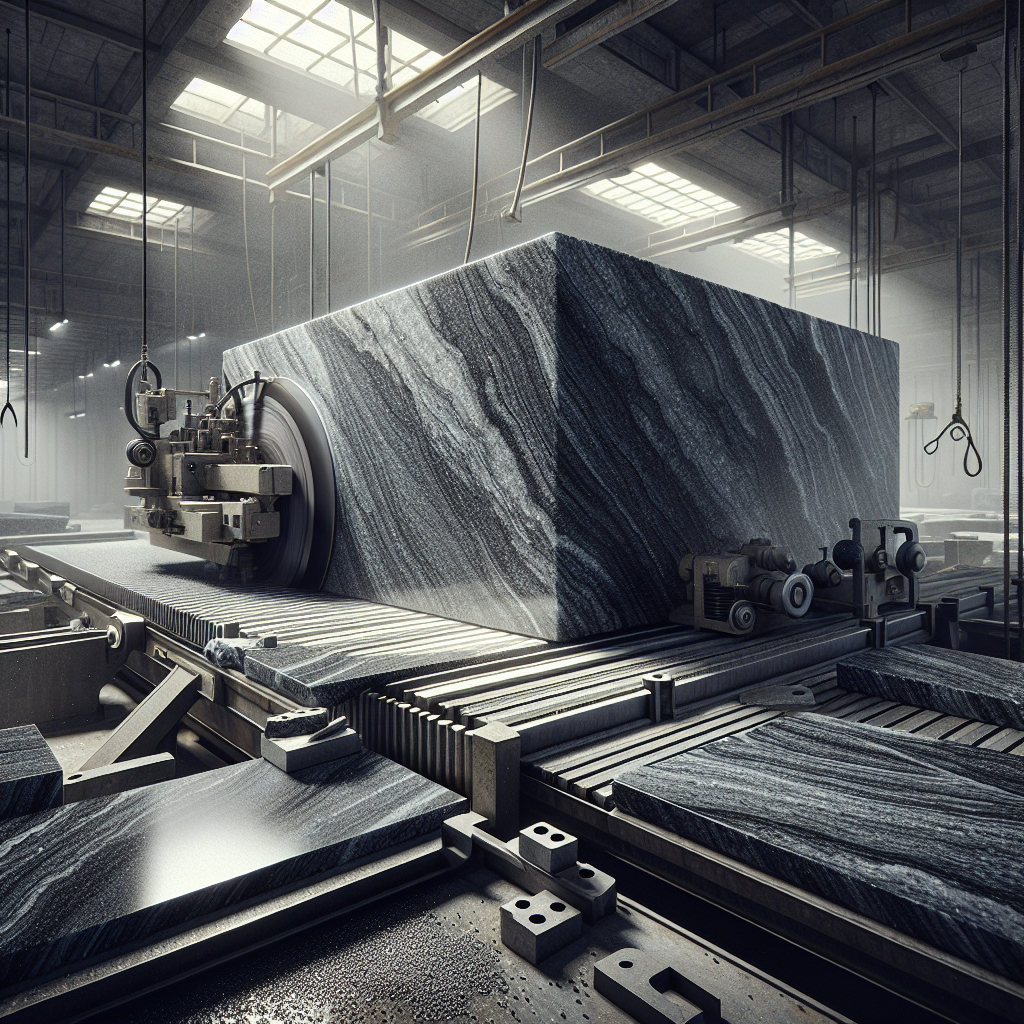
The quarrying process for granite is the first and most crucial step in producing high-quality slabs. This stage involves extracting granite blocks from the earth, a task that requires careful planning, specialized equipment, and skilled labor. The quarrying process can be broken down into several key stages:
- Site Selection: Identifying a suitable location is essential, as granite deposits must be accessible and of sufficient quality. Geological surveys are often conducted to assess the viability of the site.
- Drilling: Once a site is selected, workers drill holes into the granite to create a grid pattern. These holes are typically filled with explosives or equipped with diamond wire saws that will aid in the extraction of the granite blocks.
- Extraction: After drilling, controlled blasting or cutting is performed to break the granite into manageable blocks. This process requires precise timing and technique to minimize waste and ensure safety.
- Transportation: Extracted granite blocks are transported from the quarry to processing facilities. Heavy machinery, including cranes and trucks, are often used to move these massive stones.
Understanding the quarrying process is vital for anyone looking to utilize granite in their projects. The quality of the granite extracted will ultimately impact the final product, making it essential to ensure that the quarrying process is conducted with expertise and care.
Essential Tools Used in Cutting Granite Slabs

When it comes to cutting granite slabs, having the right tools is essential for achieving precise and clean cuts. The process requires a combination of specialized equipment that can handle the hardness and durability of granite. Below are some of the essential tools used in cutting granite slabs:
- Diamond Blade Saw: This is the primary tool for cutting granite slabs. Diamond blades are designed to withstand the immense hardness of granite, allowing for smooth and efficient cutting. These blades can be used on various saw types, including wet saws and bridge saws.
- Bridge Saw: A bridge saw is used for making straight cuts on large granite slabs. It features a stationary blade that moves along a track, ensuring precise cuts at various angles.
- Water Jet Cutter: This tool uses high-pressure water mixed with abrasive materials to cut through granite. The water helps cool the blade and reduce dust, making it an environmentally friendly option.
- Handheld Angle Grinder: For smaller cuts and detailed work, a handheld angle grinder equipped with a diamond blade can be used. This tool is ideal for shaping edges or making intricate designs.
- Polishing Machines: After cutting, polishing machines are used to achieve a smooth and shiny finish on the granite surface. These machines use pads of varying grits to refine the surface texture.
Utilizing the right tools not only enhances the quality of the cuts but also ensures safety during the cutting process. Proper training in using these tools is crucial for anyone looking to work with granite.
Step-by-Step Guide to Cutting Granite Slabs
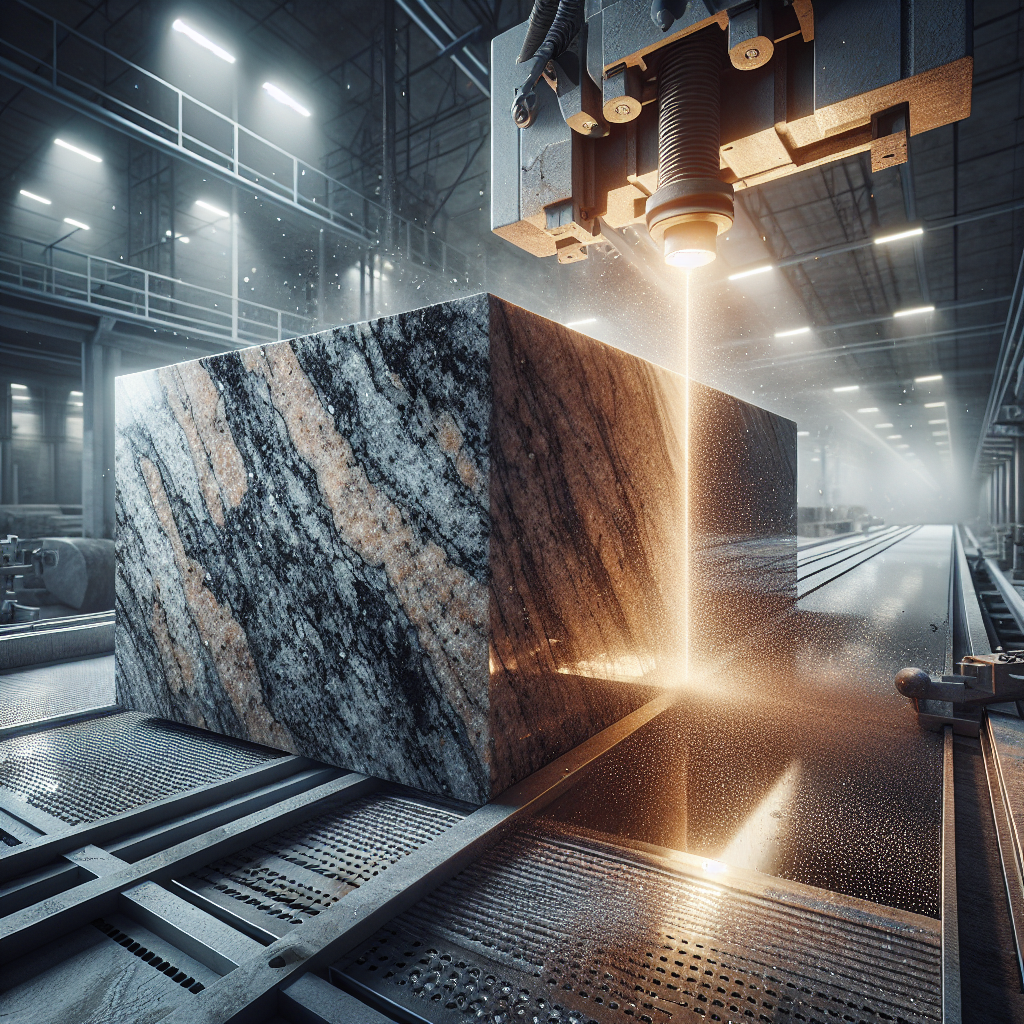
Cutting granite slabs might seem daunting, but with the right technique and tools, the process can be streamlined and efficient. Here’s a step-by-step guide to ensure that you achieve the best results:
- Preparation: Before cutting, ensure your workspace is clean and organized. Wear appropriate safety gear, including goggles, gloves, and a dust mask, to protect yourself from debris and dust.
- Measuring and Marking: Use a measuring tape to determine the desired size of your granite slab. Mark the cut line clearly with a pencil or chalk, ensuring that your measurements are accurate.
- Setting Up the Saw: If using a wet saw, fill the reservoir with water to keep the blade cool and reduce dust. Ensure that the saw is properly aligned with the marked cut line.
- Cutting the Slab: Begin the cutting process slowly, following the marked line. For straight cuts, maintain a steady hand, and for curved cuts, take your time to guide the saw accurately.
- Finishing the Edges: Once the slab is cut, use a polishing machine or handheld grinder to smooth out the edges. This step is crucial for both aesthetics and safety, as sharp edges can be dangerous.
- Cleaning Up: After completing the cut, clean your workspace and tools. Proper maintenance of tools ensures longevity and efficiency for future projects.
Following these steps will help you achieve professional-quality cuts. Remember, practice makes perfect, so don’t hesitate to refine your technique!
Finishing Techniques for Granite Slabs
Once the granite slabs are cut, the finishing techniques play a crucial role in enhancing their beauty and durability. Proper finishing not only improves the aesthetic appeal but also extends the life of the granite. Here are some essential techniques to consider:
- Polishing: This process involves using diamond polishing pads to create a smooth, glossy surface. Start with a coarse pad and gradually move to finer grits, ensuring a high-shine finish.
- Honing: For a matte or satin finish, honing is the preferred technique. This involves using a series of abrasives to create a smooth surface without the high gloss of polishing. Honed finishes are less prone to showing scratches.
- Sealing: After polishing or honing, applying a stone sealer is vital to protect against stains and moisture. Most granite slabs benefit from sealing every 1-3 years, depending on the usage and exposure to spills.
- Edge Treatment: The edges of the granite can be customized with various profiles, such as bevel, bullnose, or ogee. Each edge treatment adds a unique character to the slab and should be selected based on the overall design aesthetic.
- Cleaning: Regular cleaning with a pH-balanced stone cleaner will keep your granite looking its best. Avoid acidic cleaners that can damage the surface.
Implementing these finishing techniques will ensure that your granite slabs not only look stunning but also stand the test of time, making them a worthwhile investment for any project.
Tips for Selecting Quality Granite Slabs
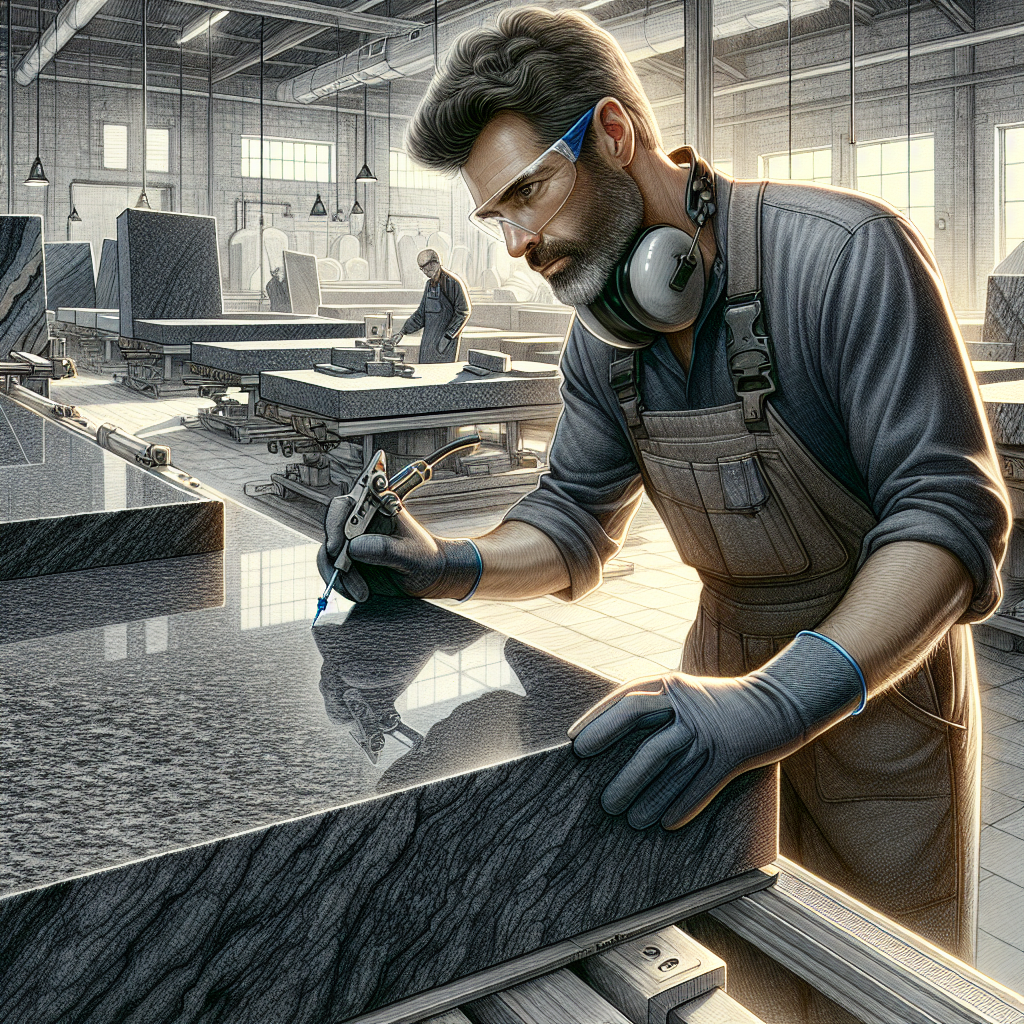
Choosing the right granite slab is essential for achieving the desired look and functionality in your space. Here are some tips for selecting quality granite slabs that will guide you in making an informed decision:
- Inspect the Slab: Always examine the granite slab in person, if possible. Check for natural imperfections, such as fissures or cracks, which might affect durability.
- Color and Pattern: Granite comes in a variety of colors and patterns. Consider your overall design scheme and select a slab that complements your style while ensuring it has the desired visual impact.
- Thickness Matters: Standard granite slabs are usually 3 cm thick, while some options may be available in 2 cm. Thicker slabs offer more durability, but they can also be heavier and may require additional support.
- Source and Supplier: Research the supplier’s reputation and the origin of their granite. Choosing a reputable supplier ensures that you receive high-quality materials. BR Stone, for example, sources premium slabs from trusted suppliers worldwide.
- Request Samples: Before making a final decision, request samples of the granite you are considering. This allows you to see how the stone looks in your space and how it interacts with lighting.
Taking the time to evaluate these factors will ensure that you select a granite slab that not only meets your aesthetic preferences but also provides longevity and resilience for your projects. Call Us Today to Schedule an Appointment: (561) 810-8586 in Boynton Beach (954) 984-7007 in Pompano Beach