



When strolling along the sandy shores, you might wonder if you can find quartz on the beach. This curiosity is common among beachcombers and geology enthusiasts alike. Quartz is one of the most abundant minerals in the Earth’s crust, and its presence on beaches is not surprising. But what makes beach quartz so fascinating?
Quartz is a mineral composed of silicon and oxygen atoms, known for its durability and resistance to weathering. It comes in various colors and forms, making it a sought-after find for many collectors. On beaches, quartz often appears as small, smooth pebbles or larger, more angular fragments.
Finding quartz on the beach can be an exciting and rewarding experience. By understanding the geological processes that bring quartz to the shoreline, you can enhance your beachcombing adventures. Beaches are constantly shaped by the actions of waves, tides, and currents, which transport and deposit minerals like quartz from inland sources.
If you’re eager to discover more about beach quartz and other fascinating stones, why not explore our extensive selection of premium stone slabs for your next project? Call Us Today to Schedule an Appointment: (561) 810-8586 in Boynton Beach (954) 984-7007 in Pompano Beach.
Where to Find Quartz on Beaches
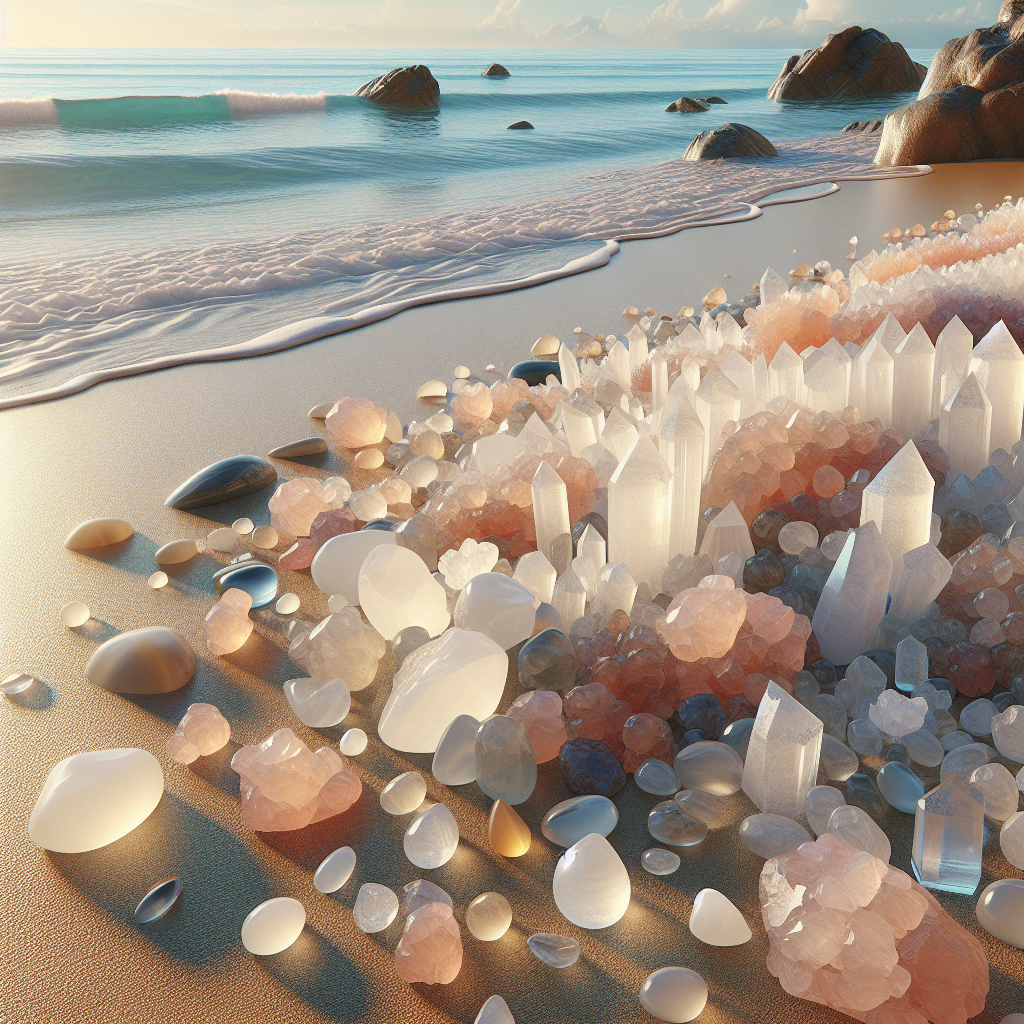
Finding quartz on the beach can be a delightful pursuit, and knowing where to look will significantly increase your chances of success. Beaches with a history of geological activity, such as those near mountain ranges or volcanic regions, are more likely to have quartz deposits. These areas often have rock formations that erode over time, releasing minerals like quartz into the waterways and eventually onto the beaches.
Look for beaches that have a mix of coarse and fine sand, as these tend to have a higher concentration of mineral fragments. The best time to search for quartz is after a storm or during low tide when the water has receded, revealing freshly deposited materials. Areas near river mouths and estuaries are also prime spots, as rivers carry sediments, including quartz, from inland sources to the coast.
Additionally, beaches with a lot of wave action are good places to find quartz. The constant movement of water helps to polish and smooth the quartz, making it easier to spot among the other beach stones. Rocky shorelines and tidal pools can also be promising locations, as the rocks can trap and accumulate quartz fragments over time.
Don’t forget to bring a small shovel or trowel to dig into the sand and uncover hidden treasures. A magnifying glass can also be handy for examining smaller pieces up close. With these tips in mind, you’re well on your way to discovering beautiful quartz specimens on your next beach outing.
Types of Quartz Found on Beaches
When searching for quartz on the beach, you’ll encounter a variety of types, each with unique characteristics. The most common type of quartz you may find is *milky quartz*, which is characterized by its cloudy white appearance. This type forms when quartz crystallizes from mineral-laden water, often trapping small bubbles of gas or liquid, giving it a milky look.
*Clear quartz*, also known as rock crystal, is another type that beachcombers commonly find. This variant is usually transparent and can be mistaken for glass. It forms in a hexagonal structure and is prized for its clarity and versatility in various applications, from jewelry to electronics.
*Rose quartz* is another beautiful type of quartz you might be lucky enough to discover. With its delicate pink hue, rose quartz is often associated with love and healing. The color results from trace amounts of titanium, iron, or manganese within the mineral. Although rarer than milky or clear quartz, it can still be found on some beaches, particularly those near granite-rich areas.
*Smoky quartz* might also make an appearance on your beach search. This variety has a gray to brown coloration caused by natural irradiation of aluminum-containing quartz. Its smoky appearance can range from light gray to almost black, providing a striking contrast to the sandy backdrop of the beach.
Lastly, you may come across *citrine quartz*, which is known for its yellow to brownish-orange color. This type is less common than the others and owes its warm hues to traces of iron. Citrine quartz is often used in jewelry and can add a splash of color to your collection of beach finds.
By familiarizing yourself with these types of quartz, you’ll be better equipped to identify and appreciate the variety of quartz specimens you can find on the beach.
How to Identify Quartz on the Beach
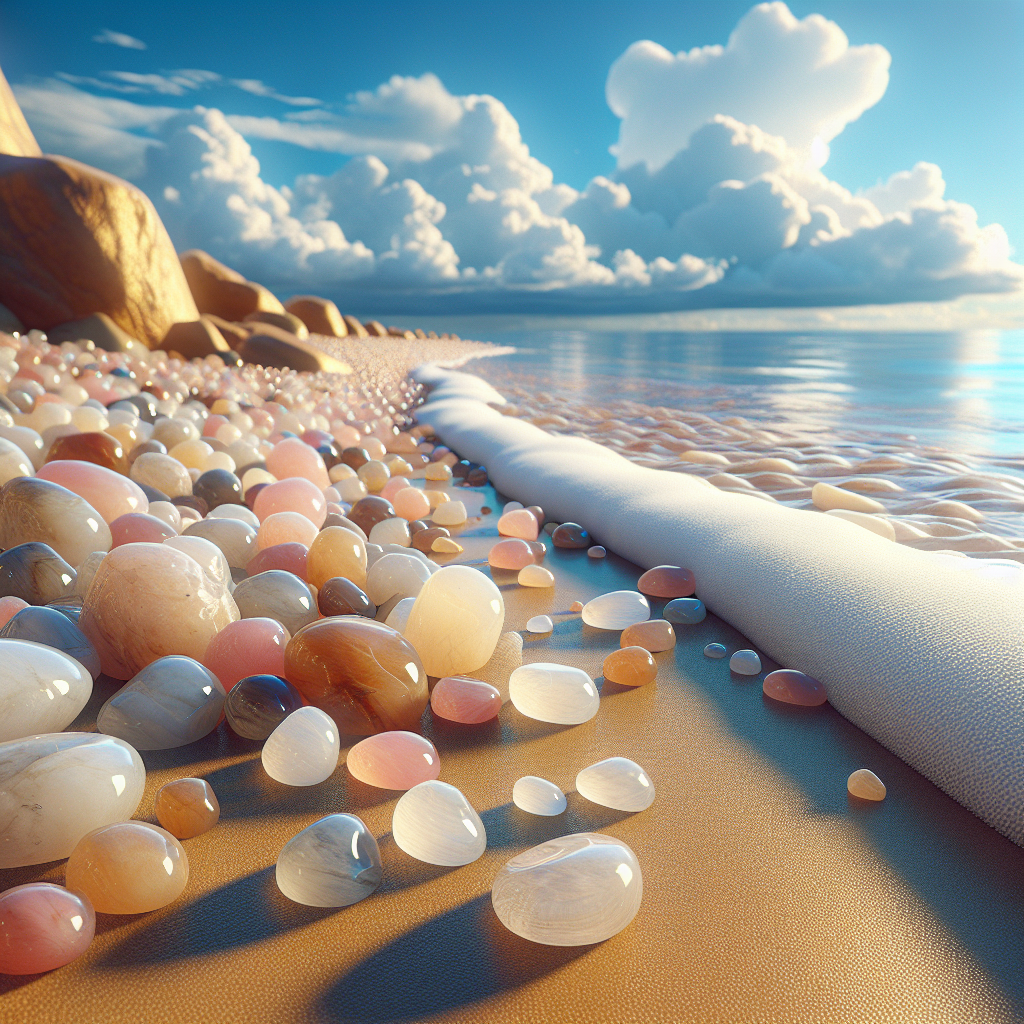
Identifying quartz on the beach can be a rewarding experience, but it requires a keen eye and some basic knowledge of its characteristics. Here are some tips to help you confidently recognize quartz among the myriad of beach stones:
Firstly, look for *transparency and translucency*. Quartz can range from clear to milky white, with some variants displaying slight colorations like pink or smoky hues. Clear quartz is often as transparent as glass, while milky quartz will have a more opaque, cloudy appearance.
Next, consider the *hardness*. Quartz ranks 7 on the Mohs hardness scale, making it harder than most beach stones. To test this, gently scratch the surface of the suspected quartz with a steel object like a pocket knife. If it resists scratching, it’s likely quartz.
The *shape* of the stone can also be a clue. Quartz commonly forms in hexagonal crystals, though beach-worn specimens may appear more rounded or irregular due to erosion. Look for signs of crystal faces or a hexagonal cross-section, which can indicate quartz.
Another identifying feature is the *luster*. Quartz typically has a glassy or vitreous luster, meaning it reflects light in a shiny, glass-like manner. This can make it stand out among duller beach stones.
Finally, examine the *fracture pattern*. Quartz breaks with a conchoidal fracture, producing smooth, curved surfaces that resemble the interior of a shell. This distinctive break pattern can help differentiate quartz from other minerals that might have more irregular or jagged fractures.
By paying attention to these characteristics—transparency, hardness, shape, luster, and fracture pattern—you’ll improve your chances of accurately identifying quartz on your beach adventures. Happy hunting!
Common Locations for Beach Quartz
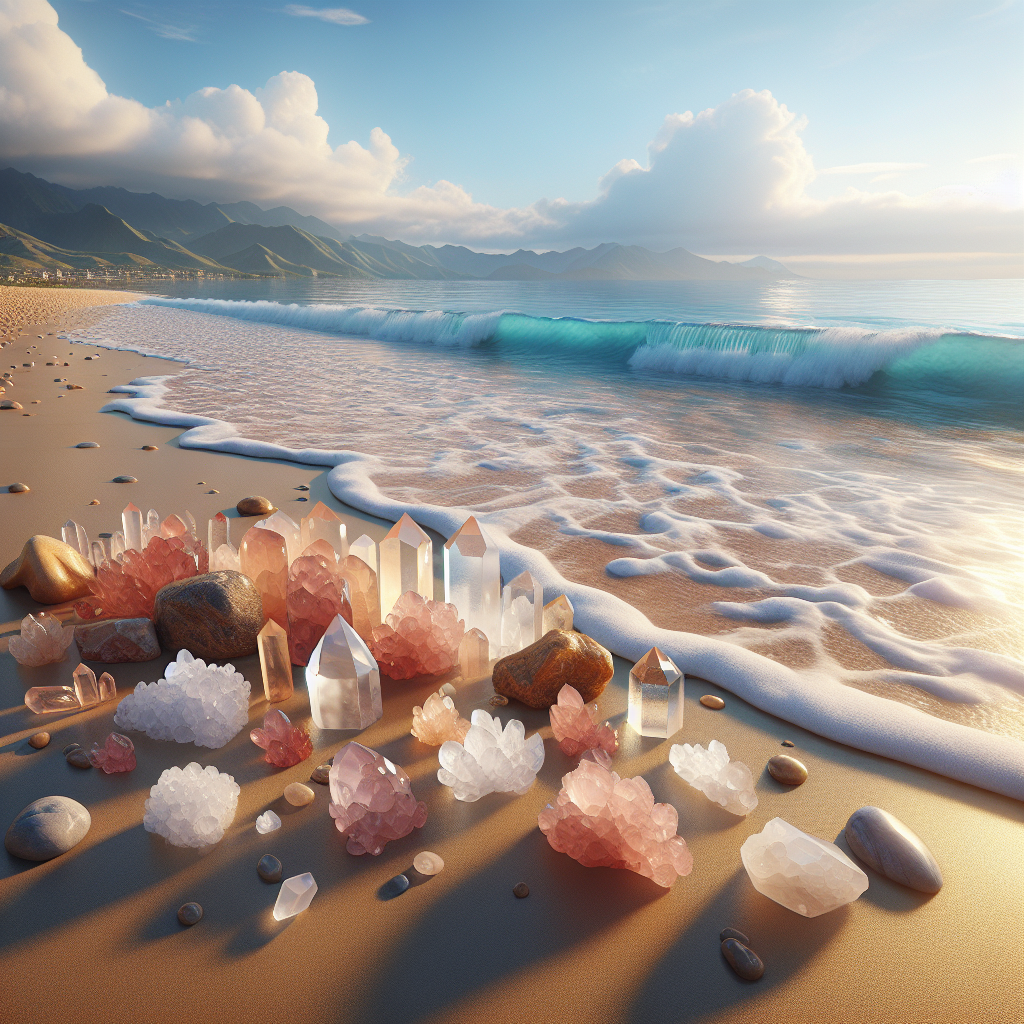
Finding quartz on the beach can be an exciting quest, but knowing where to look can significantly increase your chances of success. Here are some common locations where you are more likely to discover quartz:
**Rocky Beaches**: Beaches with an abundance of rocks and pebbles, especially those near mountainous regions, are prime spots for finding quartz. The constant wave action helps to erode larger quartz-rich rocks, breaking them down into smaller, more recognizable pieces.
**River Mouths**: Quartz is often transported by rivers from inland sources to the sea. The areas where rivers meet the ocean, known as river mouths or estuaries, can be rich in quartz deposits. The combination of freshwater and saltwater dynamics often leaves behind sedimentary layers containing quartz.
**Glacial Beaches**: In regions once covered by glaciers, beaches may be littered with quartz rocks carried by the ice. As glaciers advance and retreat, they grind down the bedrock, including quartz veins, and deposit these fragments along coastal areas. The Great Lakes region, for instance, is a notable spot where glacial action has left behind a variety of quartz specimens.
**Volcanic Beaches**: Beaches near volcanic activity can also feature quartz, especially in areas where volcanic rocks contain quartz veins. The lava flows and pyroclastic materials can integrate quartz crystals, which become exposed and polished over time by the ocean’s movements.
**Man-Made Beaches**: Sometimes, quartz can be found on beaches created or replenished with materials dredged from the ocean floor or transported from other locations. These man-made beaches can be surprising sources of quartz, especially if the dredged materials originate from quartz-rich areas.
By exploring these common locations—rocky beaches, river mouths, glacial and volcanic beaches, and even man-made beaches—you can enhance your quest for finding beautiful quartz specimens. Always remember to keep an eye out for the telltale signs of quartz as you search these promising spots.
Tips for Collecting Beach Quartz
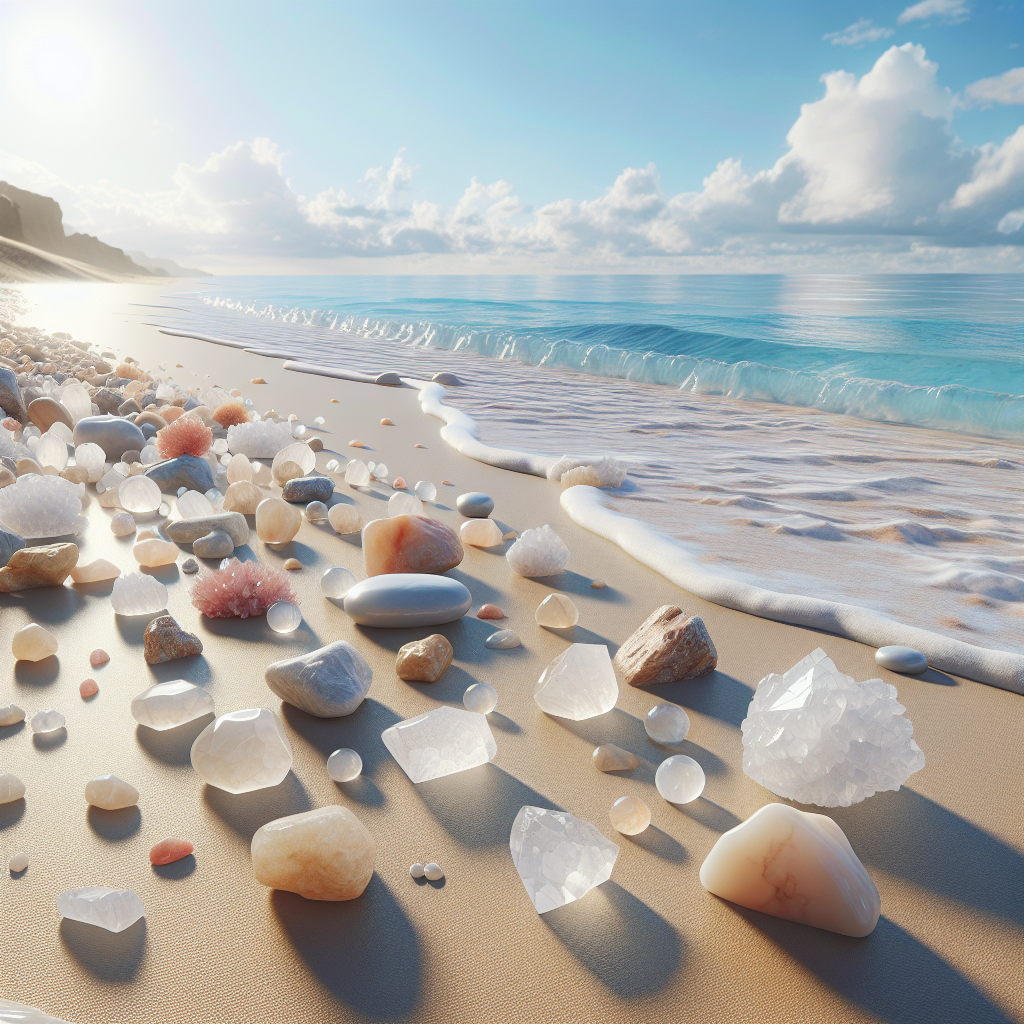
Collecting quartz on the beach can be a rewarding hobby, but it helps to have a few tips to make your search more effective and enjoyable. Here are some practical pointers to keep in mind:
**1. Timing is Key**: Early mornings or late afternoons are often the best times for beachcombing. The light at these times makes it easier to spot the glimmer of quartz among other rocks and debris. Additionally, fewer people on the beach means less competition for the best finds.
**2. Equip Yourself Properly**: Bring along a small shovel or trowel to gently dig through sand and pebbles. A mesh bag or bucket can help you carry your finds without losing smaller pieces. A magnifying glass can also be useful for closely examining potential quartz specimens.
**3. Know What to Look For**: Quartz can appear in various forms and colors, including clear, white, pink (rose quartz), and even smoky or milky varieties. Familiarize yourself with these different types to better identify them during your search. Look for the characteristic glassy luster and conchoidal fracture patterns.
**4. Respect the Environment**: Always be mindful of the local ecosystem. Avoid disturbing wildlife or removing too many stones from a single area. Some beaches may have regulations regarding the collection of rocks and minerals, so it’s wise to check local guidelines beforehand.
**5. Clean Your Finds**: Once you’ve collected your quartz, a simple rinse with water can help reveal its true beauty. For stubborn dirt or grime, a soft brush and mild soap can be used. Avoid harsh chemicals that might damage the stone.
**6. Document Your Discoveries**: Keep a journal or digital record of the locations where you found your quartz. Note any unique features or patterns you observe. This can be a fun way to track your progress and develop a deeper appreciation for your collection.
By following these tips, you’ll not only increase your chances of finding beautiful quartz but also ensure that your beachcombing adventures are safe and environmentally conscious. **Call Us Today to Schedule an Appointment: (561) 810-8586 in Boynton Beach (954) 984-7007 in Pompano Beach** or visit our website at BR Stone to explore our extensive selection of premium stone slabs for your next project.