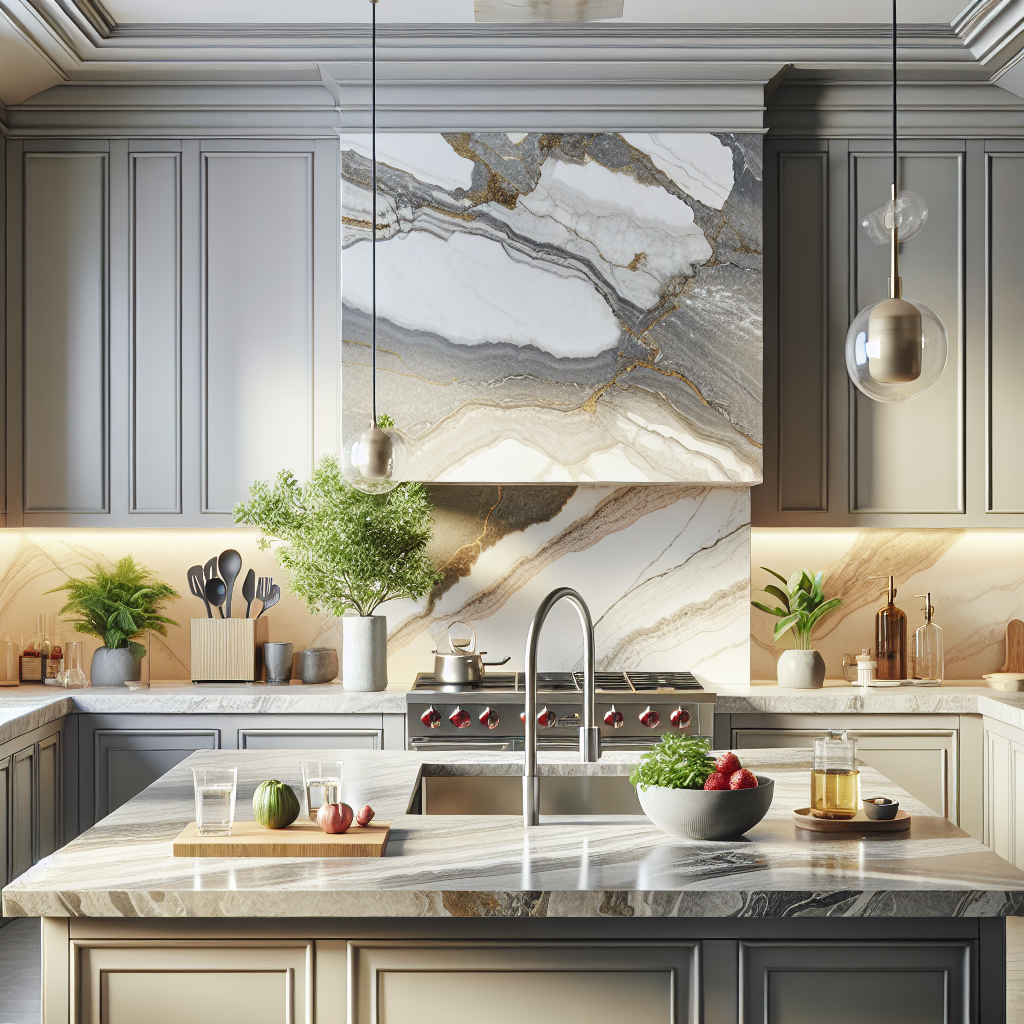



Quartz countertops have gained immense popularity in recent years due to their durability, versatility, and aesthetic appeal. As an engineered stone, quartz combines natural quartz crystals with resins and pigments to create a non-porous, low-maintenance surface that is ideal for both kitchen countertops and bathroom vanity tops. This blend not only gives quartz its distinctive look but also enhances its resistance to stains, scratches, and bacterial growth.
One of the standout features of quartz countertops is their wide range of colors and patterns, allowing homeowners and designers to find the perfect match for any design theme. Whether you’re aiming for a sleek, modern kitchen or a warm, traditional bathroom, quartz offers a multitude of options to suit your style.
At BR Stone, we pride ourselves on providing top-quality quartz slabs sourced from trusted suppliers worldwide. Our extensive selection ensures that you will find the perfect slab to enhance the beauty and functionality of your space. Call Us Today to Schedule an Appointment: (561) 810-8586 in Boynton Beach (954) 984-7007 in Pompano Beach and explore our exquisite range of quartz countertops.
Understanding Quartz Heat Resistance
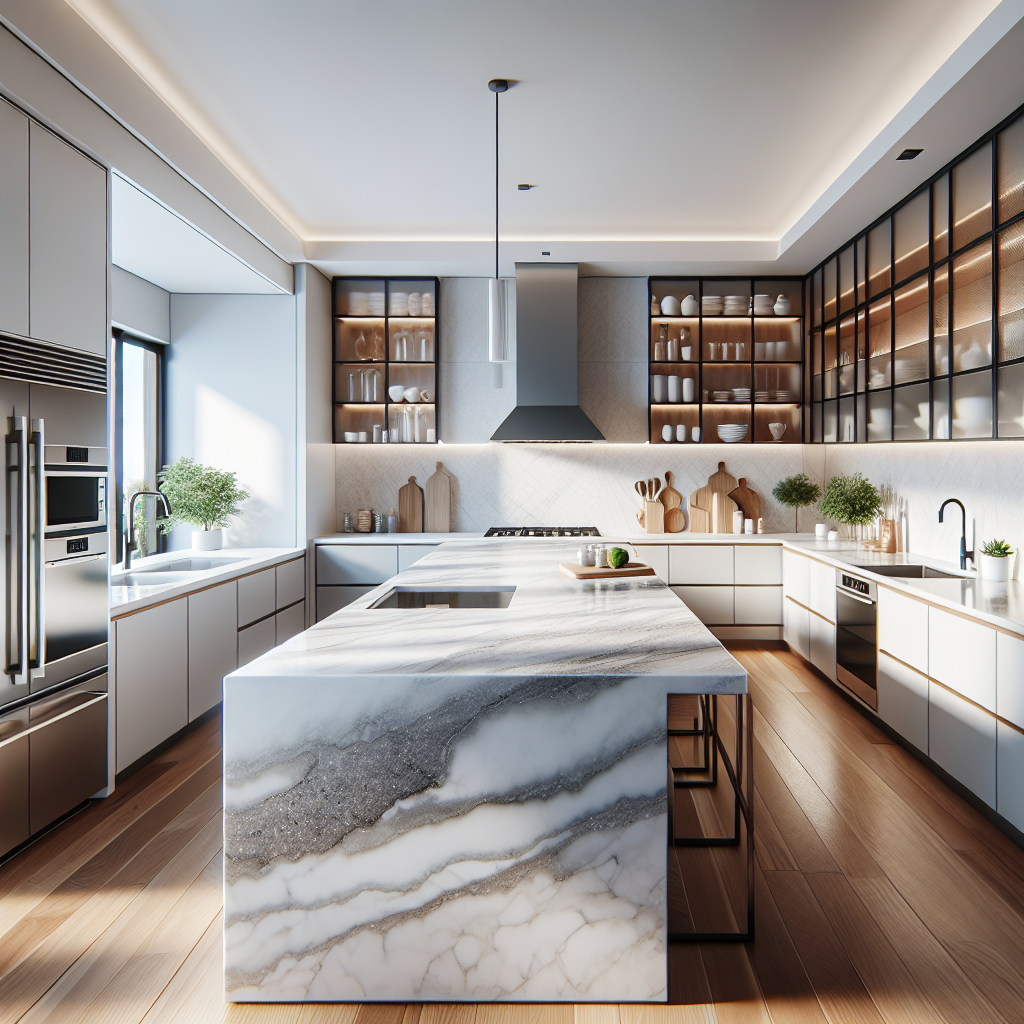
When considering quartz countertops for your kitchen or bathroom, it is essential to understand their heat resistance properties. Quartz is renowned for its durability, but like any other material, it has its limitations. Quartz countertops are made by combining natural quartz crystals with resins and pigments, resulting in a surface that is tough and long-lasting. However, the resins used in manufacturing quartz can only withstand certain levels of heat.
Typically, quartz countertops can handle temperatures up to 150 degrees Fahrenheit (65 degrees Celsius) without sustaining damage. This makes them reasonably heat-resistant for everyday use, such as placing a warm dish directly from the oven for a short period. However, exposure to temperatures beyond this threshold can cause the resins to discolor or even crack, compromising the integrity of the surface.
To preserve the beauty and functionality of your quartz countertops, it is advisable to use trivets or hot pads when placing hot pans or dishes on the surface. This simple precaution can prevent heat damage and extend the life of your countertops. Understanding the heat resistance of quartz will help you make informed decisions and maintain your countertops in pristine condition.
Potential Risks of Placing Hot Pans

Placing hot pans directly on quartz countertops can lead to several potential risks that homeowners should be aware of. While quartz is a robust and durable material, it is not entirely impervious to heat damage. Here are some of the risks associated with placing hot pans on quartz surfaces:
- Discoloration: One of the most common issues is discoloration. The resins used in quartz countertops can react to excessive heat, causing unsightly discoloration or scorch marks. These marks can be difficult, if not impossible, to remove, permanently affecting the aesthetic appeal of your countertop.
- Cracking: Extreme temperature changes can cause thermal shock, leading to cracks in the quartz surface. This risk is particularly high if a hot pan is placed on a cold countertop or if a cold object is placed on a hot countertop. Cracks not only mar the appearance but can also compromise the structural integrity of the countertop.
- Resin Damage: The binding resins in quartz countertops are sensitive to high temperatures. Prolonged exposure to heat can cause these resins to break down, leading to a weakened surface that is more prone to damage from everyday use.
- Deformation: In some cases, excessive heat can cause the surface to warp or deform. While quartz countertops are engineered to be heat-resistant to a certain extent, they are not designed to withstand direct contact with extremely hot objects over prolonged periods.
Understanding these potential risks underscores the importance of taking preventive measures to protect your quartz countertops. Using trivets, hot pads, and avoiding direct contact with hot pans can help maintain the pristine condition of your countertops and extend their lifespan.
Preventive Measures for Quartz Surfaces
To ensure the longevity and beauty of your quartz countertops, implementing preventive measures is essential. Quartz is an investment, and with a few simple practices, you can maintain its pristine condition and avoid the potential risks associated with heat damage. Here are some effective preventive measures for protecting your quartz surfaces:
- Use Trivets and Hot Pads: Always use trivets or hot pads when placing hot pans, pots, or any heat-emitting appliances on your countertop. These protective barriers can absorb and dissipate the heat, preventing direct contact with the quartz surface.
- Cutting Boards: While quartz is scratch-resistant, it is not scratch-proof. Using a cutting board not only protects your knives but also preserves the surface of your countertop from potential scratches and cuts.
- Avoid Direct Sunlight: Prolonged exposure to direct sunlight can cause discoloration and fading over time. If your quartz countertops are near a window, consider using curtains or blinds to minimize direct sunlight exposure.
- Regular Cleaning: Clean your quartz countertops regularly with a mild, non-abrasive cleaner and a soft cloth. Avoid using harsh chemicals or abrasive sponges that could damage the surface. For stubborn stains, a mixture of water and mild dish soap usually works well.
- Immediate Spill Cleanup: Spills, especially from acidic substances like lemon juice or vinegar, should be cleaned up immediately to prevent staining or etching. Quartz is more resistant to stains compared to other natural stones, but prompt cleanup is always a good practice.
By following these preventive measures, you can significantly reduce the risk of damage and keep your quartz countertops looking their best for years to come. A little care goes a long way in preserving the elegance and functionality of your kitchen or bathroom surfaces.
Best Practices for Maintaining Quartz
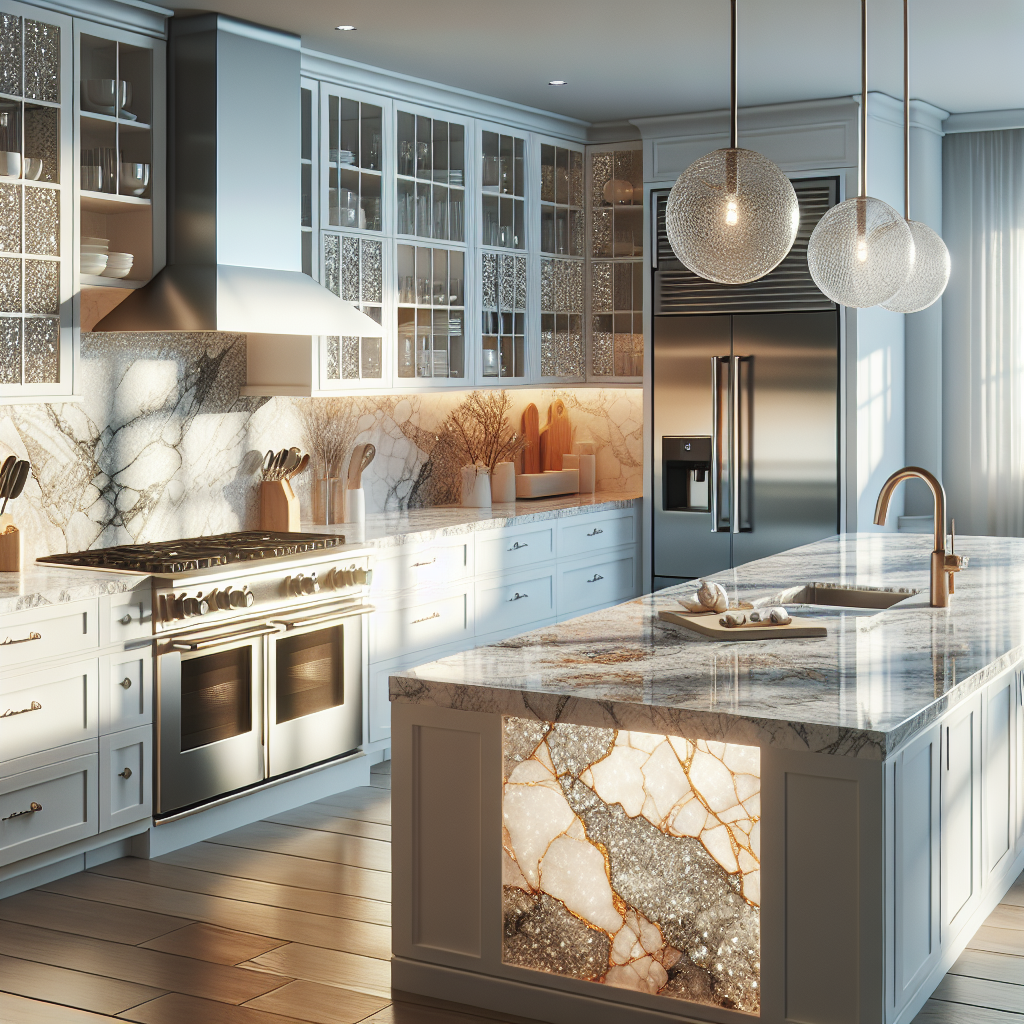
Maintaining your quartz countertops involves a few best practices that can help preserve their beauty and durability over time. While quartz is known for its resilience and low maintenance, incorporating these habits can ensure your surfaces remain in top condition:
- Daily Cleaning: Wipe down your quartz countertops daily with a soft, damp cloth and a mild detergent. This helps remove everyday dirt and keeps the surface looking clean and polished.
- Avoid Harsh Chemicals: Steer clear of bleach, ammonia, and other strong chemicals that can degrade the resin binding the quartz. Instead, opt for pH-balanced cleaners specifically designed for quartz surfaces.
- Use Coasters and Trays: Place coasters under glasses and trays under bottles and jars to prevent any potential staining from liquids or oils. This simple step can prevent those unsightly rings and marks.
- Heat Protection: Always use trivets or hot pads under hot cookware and appliances. Direct contact with high temperatures can lead to thermal shock and discoloration.
- Regular Sealing is Unnecessary: Unlike natural stones such as granite or marble, quartz does not require regular sealing. The non-porous nature of quartz makes it resistant to staining and bacterial growth, reducing the need for additional protective treatments.
- Immediate Spill Attention: Quickly wipe up any spills, especially those from acidic substances like wine, vinegar, or citrus juices. While quartz is more resistant to staining, prolonged exposure to such elements can cause damage.
- Polishing: Although not necessary, you can occasionally polish your quartz countertops with a recommended quartz polish to enhance their shine and appearance. Always follow the manufacturer’s instructions for any polishing products.
By integrating these best practices into your daily routine, you can maintain the aesthetic appeal and structural integrity of your quartz countertops. Consistent care and attention will ensure that your investment remains a stunning focal point in your home for many years.
Alternatives for Heat-Resistant Countertops
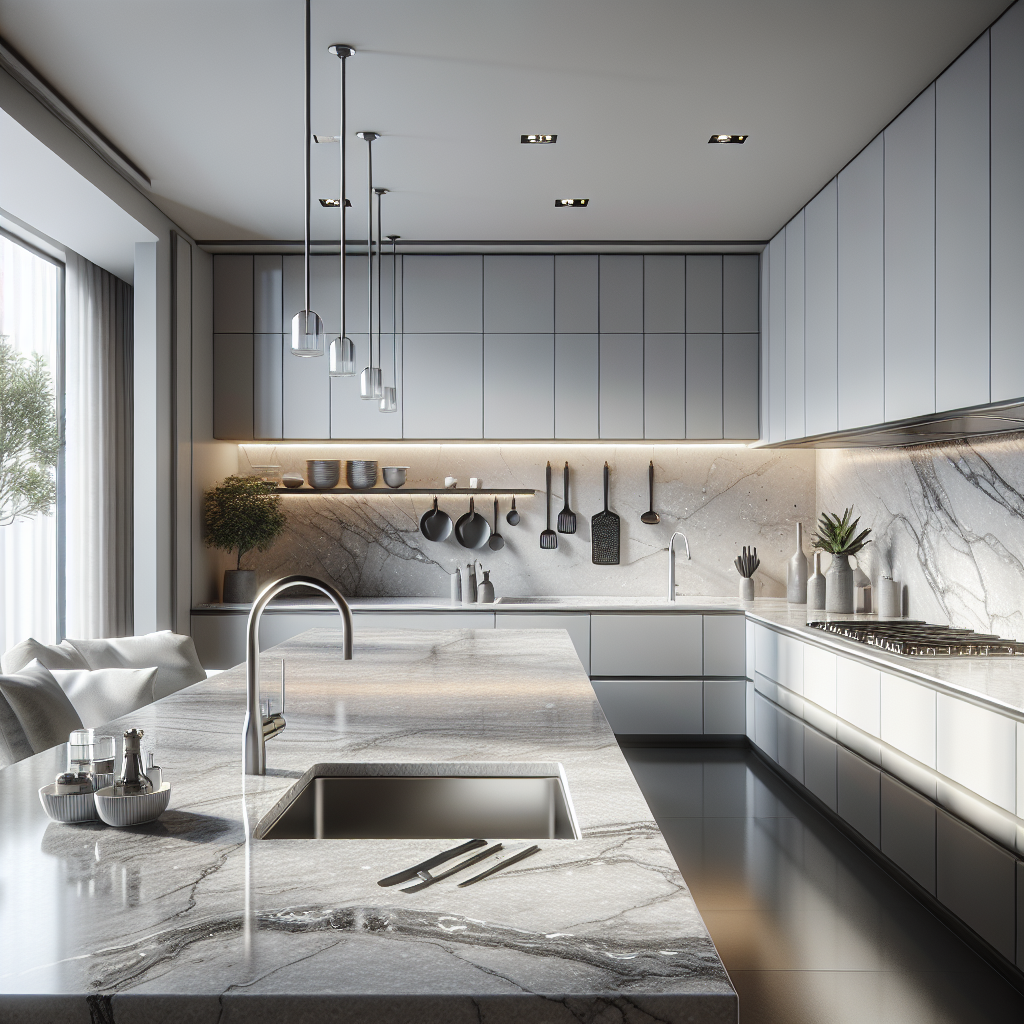
While quartz countertops offer numerous benefits, including durability and low maintenance, they have limitations when it comes to heat resistance. If you frequently place hot pans directly on your kitchen surfaces, you might want to consider alternatives that can withstand higher temperatures without damage.
- Granite: One of the most popular choices for heat-resistant countertops, granite is incredibly durable and can handle high temperatures without warping or discoloration. Its natural beauty also adds a luxurious touch to any kitchen.
- Soapstone: Known for its excellent heat resistance, soapstone is a fantastic option for those who often deal with hot cookware. This material is also non-porous, making it resistant to stains and easy to clean.
- Stainless Steel: Often used in professional kitchens, stainless steel countertops are virtually impervious to heat. They offer a sleek, modern look and are extremely easy to sanitize, though they may show scratches and dents over time.
- Concrete: When properly sealed, concrete countertops can be both heat-resistant and highly customizable. They offer a unique, industrial look and can be tinted to match various design aesthetics.
- Porcelain: Increasingly popular for countertops, porcelain is highly resistant to heat, scratches, and stains. Its wide range of colors and patterns makes it a versatile choice for many kitchen styles.
Each of these materials has its own set of advantages, allowing you to choose the one that best fits your cooking habits and design preferences. While quartz remains an excellent choice for many homeowners due to its overall durability and aesthetic appeal, exploring these heat-resistant alternatives can provide additional peace of mind for those who frequently cook with high heat.
Call Us Today to Schedule an Appointment: (561) 810-8586 in Boynton Beach or (954) 984-7007 in Pompano Beach. Let BR Stone help you find the perfect countertop material for your needs!