



Granite countertops are renowned for their durability and timeless beauty, making them a popular choice for kitchens and bathrooms. However, maintaining their pristine appearance can be challenging, especially when faced with stubborn stains or discoloration. This is where the concept of bleaching granite countertops comes into play. While not a conventional method, bleaching can be an effective solution for restoring the original luster of your granite surfaces. It involves the careful use of specific cleaning agents to lighten stains without damaging the stone.
Understanding the intricacies of this process is essential. Granite, being a natural stone, has unique properties that require special care. The porous nature of granite means that it can absorb liquids, which might lead to stains if not properly sealed and maintained. Therefore, anyone considering bleaching their granite countertops should be informed about the types of stains that can be treated and the appropriate products to use. This guide will provide you with the **necessary knowledge** to safely and effectively bleach your granite countertops, preserving their beauty for years to come.
At BR Stone, we are committed to helping you maintain the elegance of your stone surfaces. Our experts are here to assist you with any questions or concerns you may have. Call Us Today to Schedule an Appointment: (561) 810-8586 in Boynton Beach (954) 984-7007 in Pompano Beach for personalized advice and professional assistance.
Understanding Granite Countertop Composition
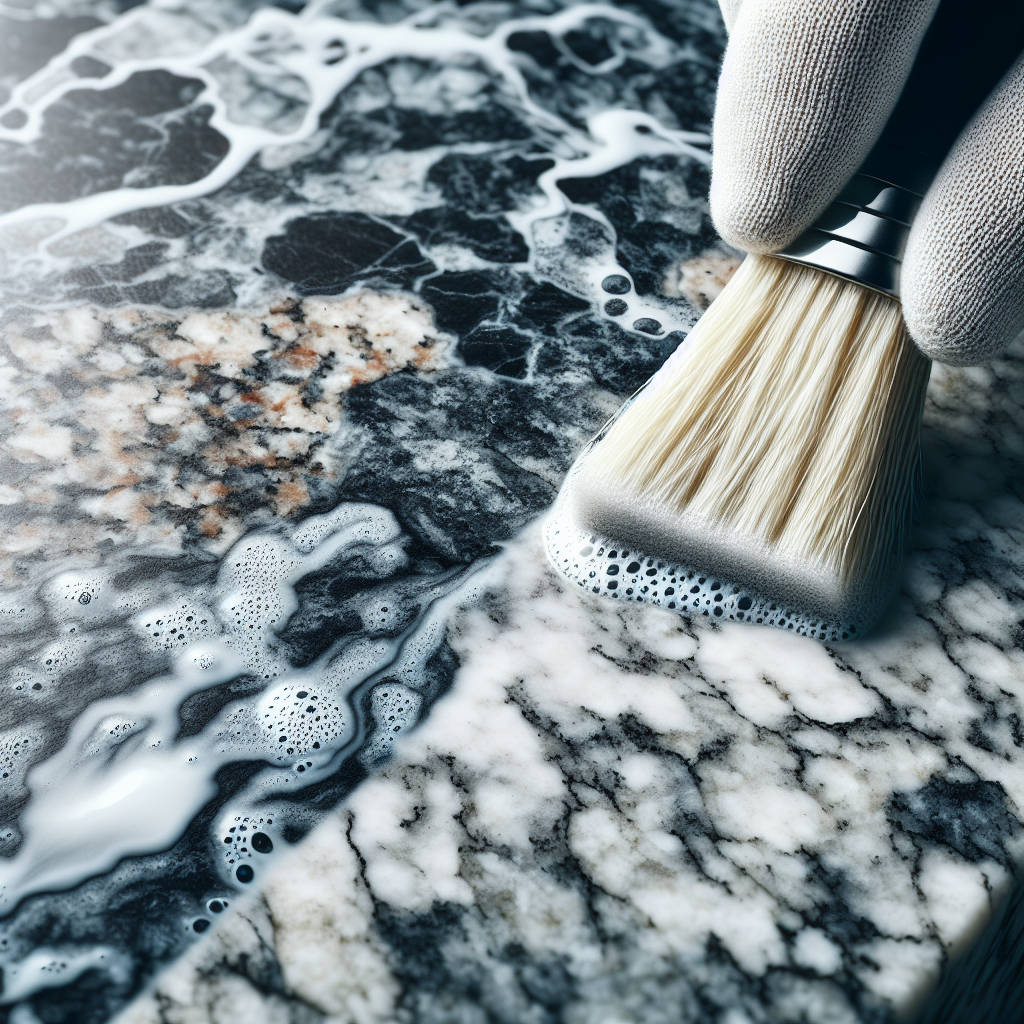
To effectively address the process of bleaching granite countertops, it’s crucial to first grasp the fundamental composition of granite. Granite is an igneous rock, primarily composed of quartz, feldspar, and a variety of minerals that contribute to its distinctive appearance. The intricate blend of these components results in a durable, hard surface that is both aesthetically pleasing and highly functional for everyday use.
Quartz, one of the main constituents, is responsible for the stone’s remarkable hardness and resistance to wear and tear. Feldspar contributes a range of colors, from white and pink to red and gray, lending each granite slab its unique look. **Minerals**, including mica, amphiboles, and others, add speckles and veins, enhancing its natural beauty.
This composition not only defines granite’s physical properties but also its interaction with cleaning agents. Due to its porous nature, granite can absorb liquids and is susceptible to staining if not sealed properly. The porosity varies depending on the specific mineral composition, impacting how the stone responds to different treatments, including bleaching. By understanding these elements, homeowners can make informed decisions about the care and maintenance of their granite countertops, ensuring their longevity and enduring appeal.
Risks and Benefits of Bleaching Granite
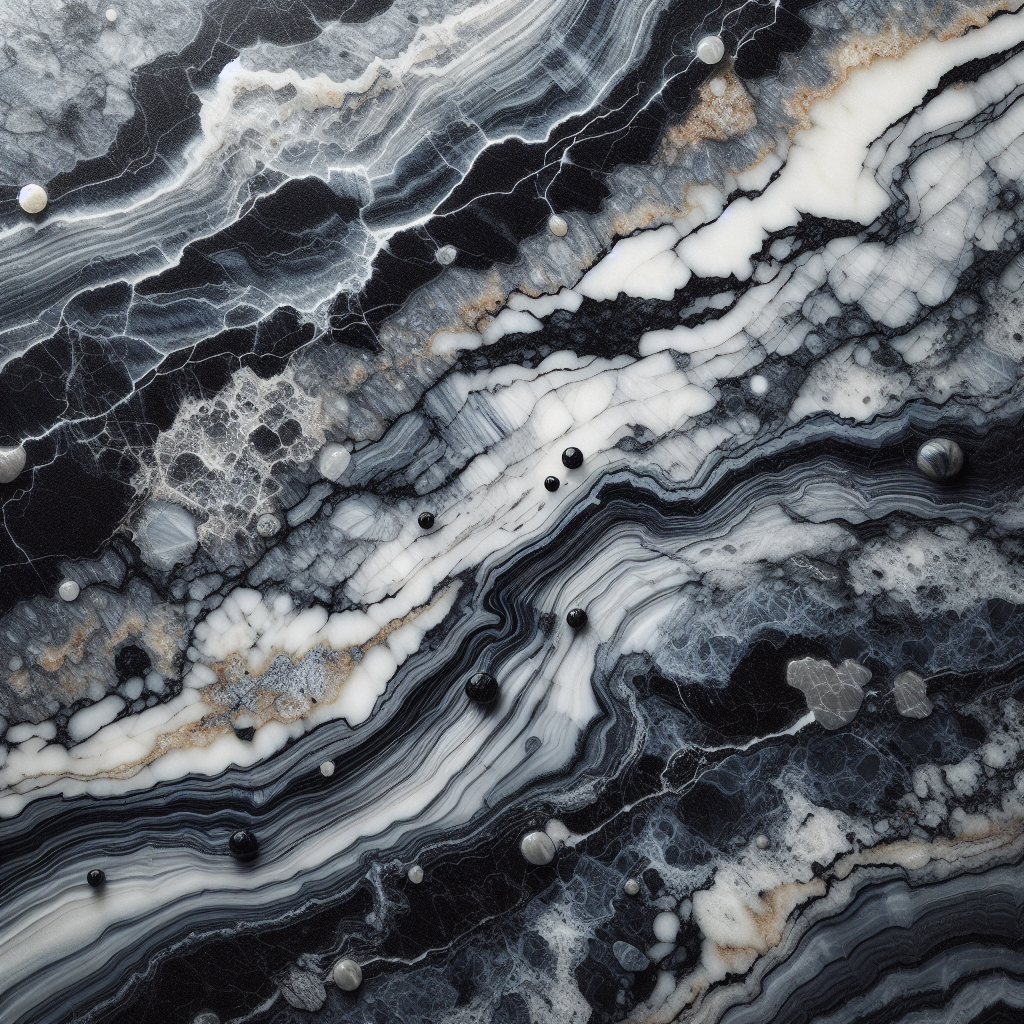
When considering the **bleaching of granite countertops**, it’s essential to weigh both the potential risks and benefits involved in the process. Bleaching can effectively address discoloration and stains, restoring the stone’s natural brightness and enhancing its visual appeal. However, it’s not without its challenges.
Benefits of bleaching granite include the removal of stubborn stains that routine cleaning might not eliminate. This can be particularly useful in high-traffic areas like kitchens, where spills are common. By using bleach carefully, homeowners can revitalize their countertops, making them look fresh and new without the need for replacement.
Despite these advantages, several risks must be considered. Bleach, being a potent chemical, can damage the granite’s sealant, increasing its porosity and susceptibility to further staining. Additionally, excessive use of bleach might lead to discoloration or etching on the stone surface, particularly if the granite contains sensitive minerals like calcite.
To mitigate these risks, it’s advisable to conduct a patch test on a small, inconspicuous area before proceeding with a full application. Moreover, opting for a diluted bleach solution and avoiding prolonged exposure can prevent potential damage. Understanding the balance between these risks and benefits is crucial for maintaining the integrity and beauty of your granite countertops.
Safe Techniques for Bleaching Granite
To ensure the **safe bleaching of granite countertops**, it’s important to follow specific techniques that minimize damage while achieving the desired results. Granite is a durable material, yet it requires careful handling to maintain its natural beauty and longevity.
Start by gathering the necessary materials, which include a mild bleach solution, a soft cloth, a non-abrasive sponge, and protective gloves. It’s crucial to use a **diluted bleach solution** to prevent etching or discoloration. A typical dilution ratio is one part bleach to ten parts water, but always refer to the manufacturer’s guidelines for the best results.
Begin by cleaning the countertop surface with a gentle cleanser to remove any surface dirt or grime. Once the surface is clean, proceed with applying the bleach solution. Dampen the soft cloth with the solution and gently wipe the affected areas. It’s important to **avoid scrubbing**, as this might cause scratches or wear down the granite’s protective sealant.
After applying the solution, let it sit for a few minutes to allow the bleach to penetrate the stains. Keep a close eye on the surface during this time to ensure it doesn’t react adversely. Afterward, rinse the area thoroughly with clean water to remove any bleach residue. Pat the surface dry with a clean towel.
For persistent stains, a second application may be necessary, but always test on a small area first. By following these **safe techniques**, you can effectively bleach granite countertops while preserving their stunning appearance and structural integrity.
Alternatives to Bleaching Granite Surfaces

For those hesitant to use bleach on granite surfaces, several **alternatives** offer effective cleaning and maintenance without the risk of potential damage. Often, these options not only clean but also help preserve the natural elegance of your granite countertops.
One popular alternative is using a **baking soda paste**, which is both gentle and effective. To create this paste, mix baking soda with a small amount of water until it forms a thick consistency. Apply it directly to the stained area, gently rub with a non-abrasive cloth, and let it sit for several hours or overnight. Rinse with water and dry with a soft towel for a refreshed look.
Another option is the use of **hydrogen peroxide**, known for its mild bleaching properties without the harshness of traditional bleach. Combine it with baking soda for tougher stains, and apply as a paste. This method is particularly effective for organic stains, such as coffee or wine, on lighter granite surfaces.
For regular maintenance and less severe stains, consider using a **pH-balanced stone cleaner**. These cleaners are specifically designed for natural stone and can safely remove daily grime and minor stains without compromising the sealant.
Lastly, a mixture of **vinegar and water** can be used for cleaning, although caution is advised due to vinegar’s acidic nature. Ensure it’s properly diluted and avoid prolonged contact with the granite surface.
By opting for these **alternative methods**, you can maintain the pristine condition of your granite surfaces, ensuring they remain a beautiful focal point in your home for years to come.
Maintaining Granite Countertops Post-Bleach

After successfully bleaching and cleaning your granite countertops, it is crucial to implement a maintenance routine that ensures their longevity and continued beauty. Proper care can prevent future stains and preserve the natural luster of the stone.
**Regular cleaning** is essential. Use a mild dish soap or a pH-balanced stone cleaner with warm water for daily upkeep. Gently wipe the surfaces with a soft cloth to remove any residue. Avoid harsh chemicals or abrasive pads that can damage the sealant and granite surface.
It is also important to **seal the granite periodically**. Granite countertops should be sealed at least once a year, or as recommended by your stone supplier. This process creates a protective barrier against spills and stains. Test if resealing is needed by placing a few drops of water on the surface. If the water is absorbed, it’s time to reseal.
Be mindful of **spills**—particularly acidic substances like lemon juice, vinegar, or wine—as they can etch the granite. Clean spills immediately with a soft, damp cloth to prevent potential staining. Additionally, using coasters, trivets, and cutting boards can minimize direct contact and reduce the risk of scratches or heat damage.
Maintaining the beauty and integrity of your granite countertops requires a commitment to regular care and attention. With these practices, you can enjoy the elegance and durability granite offers for years to come.
Call Us Today to Schedule an Appointment: (561) 810-8586 in Boynton Beach, (954) 984-7007 in Pompano Beach, or visit our website at BR Stone to explore our extensive range of premium stone slabs.