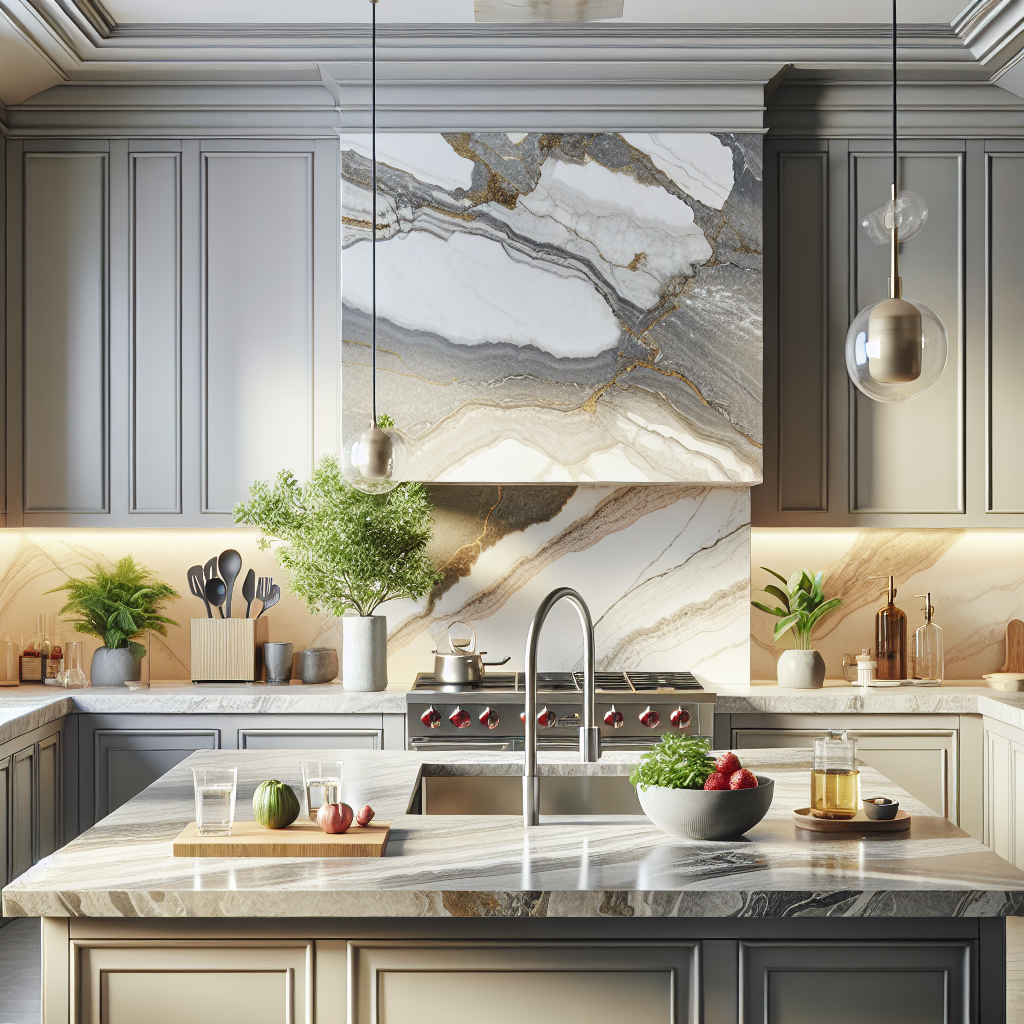


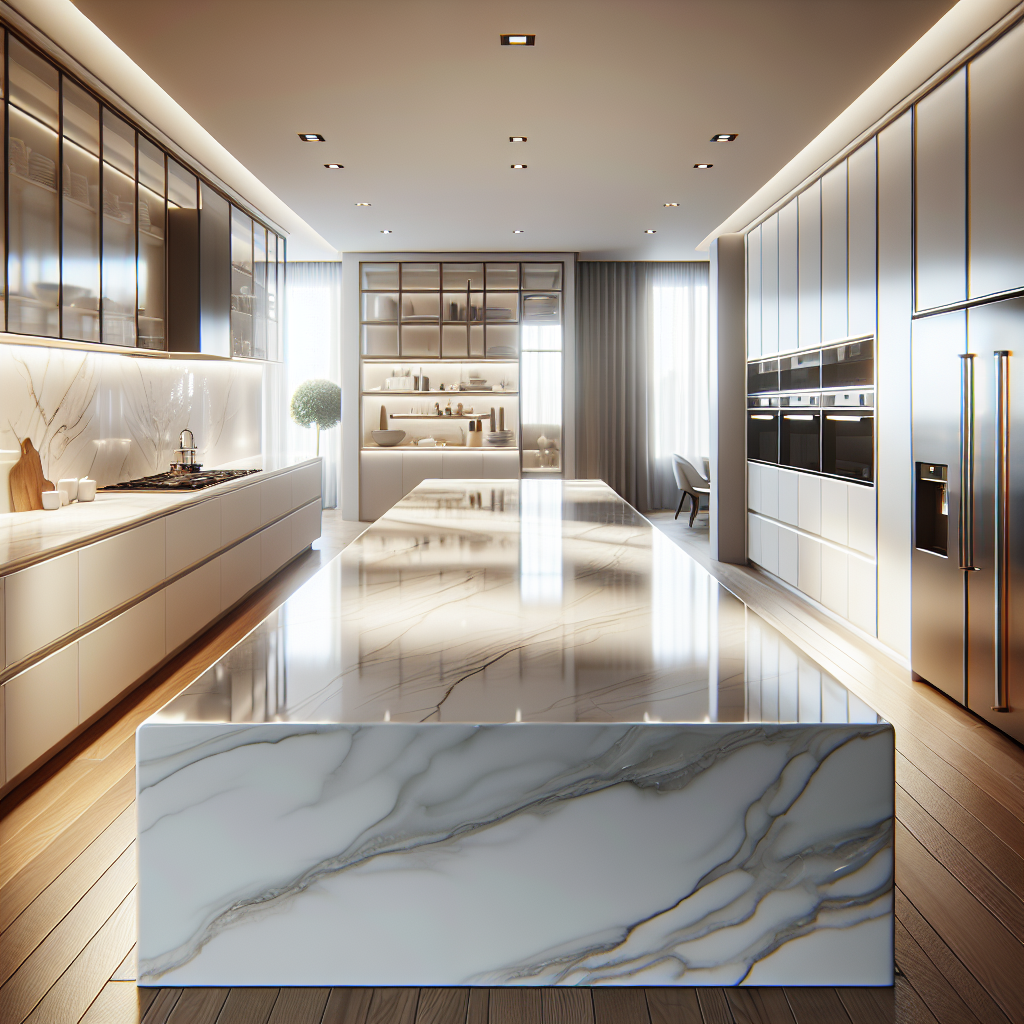
Porcelain countertops have gained popularity in recent years, thanks to their unique combination of durability and aesthetic appeal. Made from a fine clay that is fired at extremely high temperatures, porcelain countertops boast remarkable strength and resistance to scratches, stains, and heat. This makes them an ideal choice for both kitchens and bathrooms where functionality and style are essential.
One of the key benefits of using porcelain is its non-porous nature, which means that it does not absorb liquids or harbor bacteria. This characteristic makes porcelain countertops not only easy to clean but also more hygienic compared to other materials. Homeowners can enjoy peace of mind knowing that their surfaces are safe for food preparation and family use.
Another advantage is the vast array of design options available. Porcelain countertops can mimic the look of natural stone, such as marble or granite, while offering a more consistent appearance that aligns with modern design trends. From sleek, minimalist designs to intricate patterns, you can find a style that complements your home perfectly.
In addition to aesthetics and hygiene, porcelain countertops are also incredibly eco-friendly. Many manufacturers source materials sustainably, making them a responsible choice for environmentally conscious homeowners.
Considering a renovation or a new build? Call Us Today to Schedule an Appointment: (561) 810-8586 in Boynton Beach (954) 984-7007 in Pompano Beach. Let BR Stone help you explore the perfect porcelain countertop options for your space.
Key Raw Materials Used in Porcelain Production
The production of porcelain countertops involves several key raw materials that contribute to their unique properties. Understanding these materials provides insight into the quality and performance of the final product.
1. Ball Clay: This is a primary ingredient in porcelain production, known for its plasticity and workability. Ball clay helps in forming the structure of the porcelain, allowing it to be molded into various shapes before firing.
2. Feldspar: This mineral plays a crucial role in the melting process during firing. Feldspar acts as a flux, lowering the melting point of the mixture and promoting the formation of a glassy surface, which enhances the durability and aesthetic qualities of the countertop.
3. Kaolin: Also known as china clay, kaolin is essential for creating the smooth texture and white color characteristic of high-quality porcelain. Its purity contributes to the overall strength and translucence of the final product.
4. Quartz: This mineral adds hardness and strength to porcelain countertops. The incorporation of quartz ensures that the surfaces can withstand daily wear and tear, making them suitable for high-traffic areas.
5. Colorants: To achieve the desired aesthetic, various natural and synthetic colorants are added to the porcelain mixture. These pigments allow for a wide range of colors and styles, enabling homeowners to select countertops that match their design vision.
Each of these raw materials is carefully sourced and processed to ensure optimal quality, resulting in beautiful, durable porcelain countertops that meet the diverse needs of modern homes.
The Step-by-Step Process of Making Porcelain Countertops
The creation of porcelain countertops involves a meticulous step-by-step process that transforms raw materials into beautiful and durable surfaces. Understanding this process is essential for appreciating the craftsmanship behind each countertop.
1. Mixing the Materials: The first step involves combining the key raw materials—ball clay, feldspar, kaolin, quartz, and colorants—into a homogeneous mixture. This blend is carefully calibrated to ensure consistent quality and performance.
2. Forming: Once the mixture is ready, it is shaped into slabs using various techniques, such as pressing or casting. This stage allows for the creation of different thicknesses and sizes, accommodating a variety of design needs.
3. Drying: After forming, the slabs are dried to remove excess moisture. This step is crucial as it helps prevent defects during the firing process. Controlled drying conditions are maintained to ensure uniformity across all slabs.
4. Firing: The dried slabs are then fired in a kiln at extremely high temperatures, typically between 1200°C to 1400°C (2192°F to 2552°F). This process vitrifies the materials, resulting in a dense, strong surface that is resistant to scratches and stains.
5. Finishing: After firing, the slabs are cooled and undergo finishing processes, which may include polishing, cutting, and surface treatments. These steps enhance the final appearance and functionality, making the countertops ready for installation.
6. Quality Control: Before the countertops leave the manufacturing facility, they undergo rigorous quality control checks to ensure they meet the highest standards. This includes evaluating aesthetics, strength, and surface integrity.
By following these detailed steps, manufacturers create porcelain countertops that combine beauty with durability, making them an excellent choice for any kitchen or bathroom.
Quality Control Measures in Porcelain Manufacturing
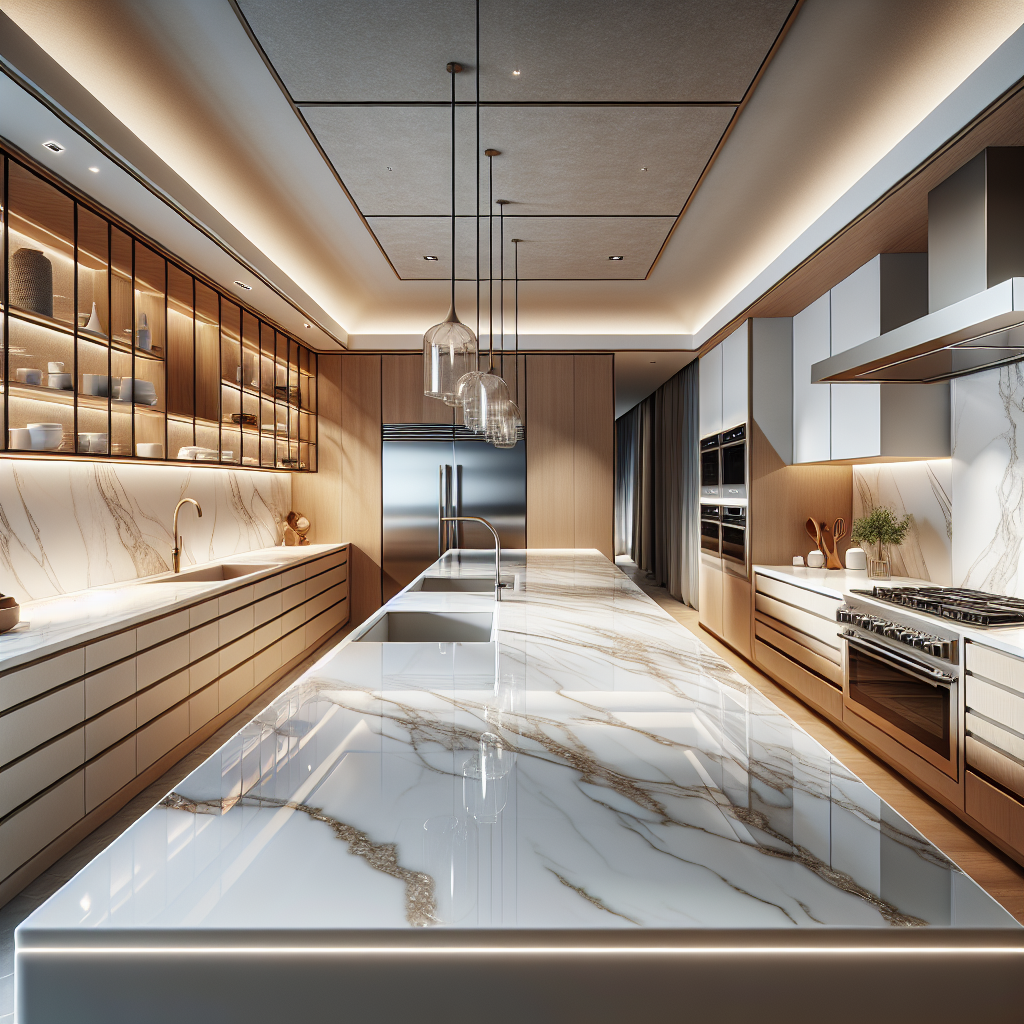
Quality control is a vital component of the porcelain countertop manufacturing process, ensuring that every slab produced meets stringent standards for durability, aesthetics, and functionality. The measures implemented during this phase are crucial for delivering a product that customers can trust and enjoy for years to come.
1. Raw Material Inspection: Before production begins, all raw materials undergo thorough inspection. This includes checking for purity, consistency, and the absence of contaminants. Any subpar materials are discarded to maintain the integrity of the final product.
2. Process Monitoring: Throughout the manufacturing process, various parameters such as temperature, pressure, and timing are meticulously monitored. This real-time assessment helps identify any deviations from the set standards, allowing for immediate corrective actions.
3. Visual Inspection: After the slabs are formed and fired, they are subjected to rigorous visual inspections. Skilled inspectors examine each slab for color consistency, surface defects, and overall aesthetic appeal, ensuring that only flawless pieces proceed to the finishing stage.
4. Dimensional Accuracy Checks: Precision is key in countertop production. Dimensional checks are performed to confirm that each slab adheres to specified measurements. This includes evaluating thickness, length, and width, which are critical for proper installation.
5. Performance Testing: To guarantee durability, samples from each batch may undergo performance tests, including scratch resistance, stain resistance, and thermal shock tests. These assessments help verify that the countertops can withstand everyday use.
6. Final Quality Assessment: Before packaging, every slab undergoes a final quality assessment. This comprehensive review ensures that the product not only meets the company’s high standards but also fulfills customer expectations.
By implementing these quality control measures, manufacturers can confidently deliver porcelain countertops that are not only visually appealing but also built to last, making them a preferred choice for discerning homeowners and designers alike.
Design and Customization Options for Porcelain Countertops
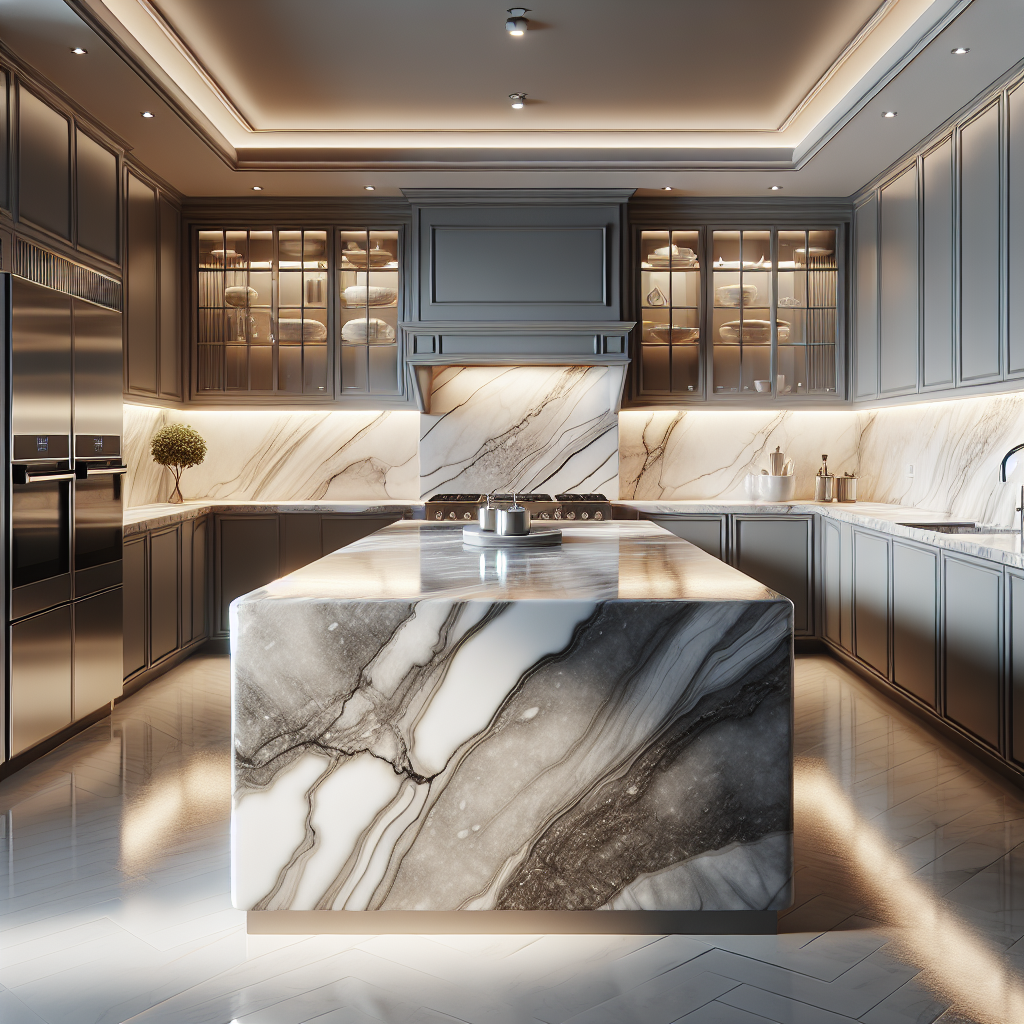
When it comes to porcelain countertops, the design and customization options are virtually limitless, allowing homeowners and designers to create unique spaces that reflect personal style and preferences. Porcelain’s versatility as a material means it can be tailored to fit various aesthetics, from modern minimalism to classic elegance.
1. Color Range: One of the standout features of porcelain countertops is the extensive range of colors available. From vibrant hues to muted tones, customers can select colors that complement their existing decor or create a striking focal point in the kitchen or bathroom. Popular choices include soft whites, deep blacks, and earthy neutrals.
2. Patterns and Textures: Porcelain can mimic the appearance of natural stone, such as marble or granite, while offering superior durability. With intricate patterns and textures available, customers can achieve the look of luxurious stone without the maintenance concerns. Options range from veined designs to solid colors, allowing for a customized aesthetic.
3. Surface Finishes: The finish of a porcelain countertop can greatly influence its overall look and feel. Options include polished, matte, and textured finishes, each offering a different visual and tactile experience. A polished finish reflects light beautifully, while a matte finish provides a more understated elegance.
4. Edge Profiles: Customization extends to the edges of the countertops as well. Various edge profiles, such as beveled, bullnose, or straight edges, can enhance the design and functionality of the countertop. Choosing the right edge profile can add character and suit the specific application of the countertop.
5. Size and Shape: Porcelain countertops can be fabricated to fit any size or shape requirement. Whether it’s a large island or a uniquely shaped bathroom vanity, custom dimensions ensure a perfect fit. This flexibility allows for seamless integration into any space.
6. Inlays and Accents: For those looking to add a personalized touch, porcelain countertops can incorporate inlays or accents. This might include contrasting colors or materials that create stunning visual interest and highlight certain design elements.
The combination of these design and customization options makes porcelain countertops an attractive choice for anyone looking to elevate their space. With the ability to tailor each aspect to suit personal taste, the result is a stunning, functional surface that enhances the overall aesthetic of any room.
Caring for and Maintaining Your Porcelain Countertops
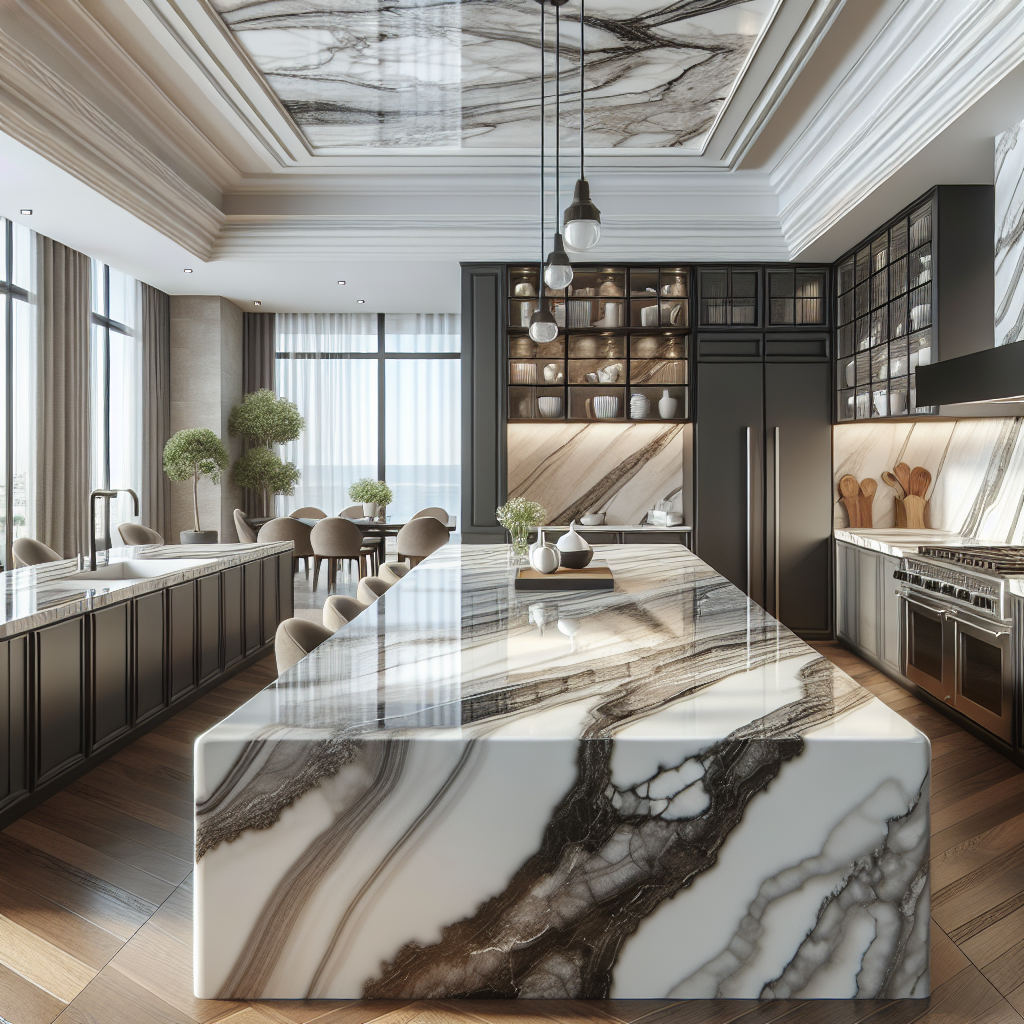
Caring for and maintaining your porcelain countertops is essential to ensure their longevity and keep them looking pristine. With their durability and resistance to stains, scratches, and heat, porcelain surfaces are relatively low maintenance. However, following some simple care guidelines can help you maximize their beauty and functionality.
1. Regular Cleaning: To maintain the shine and cleanliness of your porcelain countertops, it is recommended to clean them regularly with a soft cloth and warm, soapy water. For tougher stains, a mixture of vinegar and water can effectively lift grime without damaging the surface.
2. Avoid Harsh Chemicals: While porcelain is resilient, using abrasive cleaners or harsh chemicals can dull the finish over time. Stick to gentle, pH-balanced cleaners that are safe for ceramic surfaces to preserve the integrity of your countertops.
3. Use Cutting Boards: Although porcelain countertops are scratch-resistant, it is advisable to use cutting boards when chopping or slicing food. This not only protects the surface from potential scratches but also keeps your knives sharper for longer.
4. Wipe Up Spills Promptly: While porcelain is non-porous and resists stains, it is always a good practice to wipe up spills immediately, especially from acidic substances like citrus juices or vinegar. This prevents any potential damage and keeps the countertops looking their best.
5. Heat Resistance: Porcelain countertops can withstand high temperatures, but it is still wise to use trivets or hot pads for hot pots and pans. This additional layer of protection can help prevent any heat damage in the long run.
6. Sealant Application: Although most porcelain countertops do not require sealing, applying a sealant can add an extra layer of protection. Consult with your supplier for recommendations on the best sealant options if you choose to go this route.
By following these straightforward care tips, you can ensure that your porcelain countertops remain beautiful and functional for years to come. For personalized advice on maintaining your surfaces or to explore our stunning range of porcelain options, call us today to schedule an appointment: (561) 810-8586 in Boynton Beach or (954) 984-7007 in Pompano Beach.