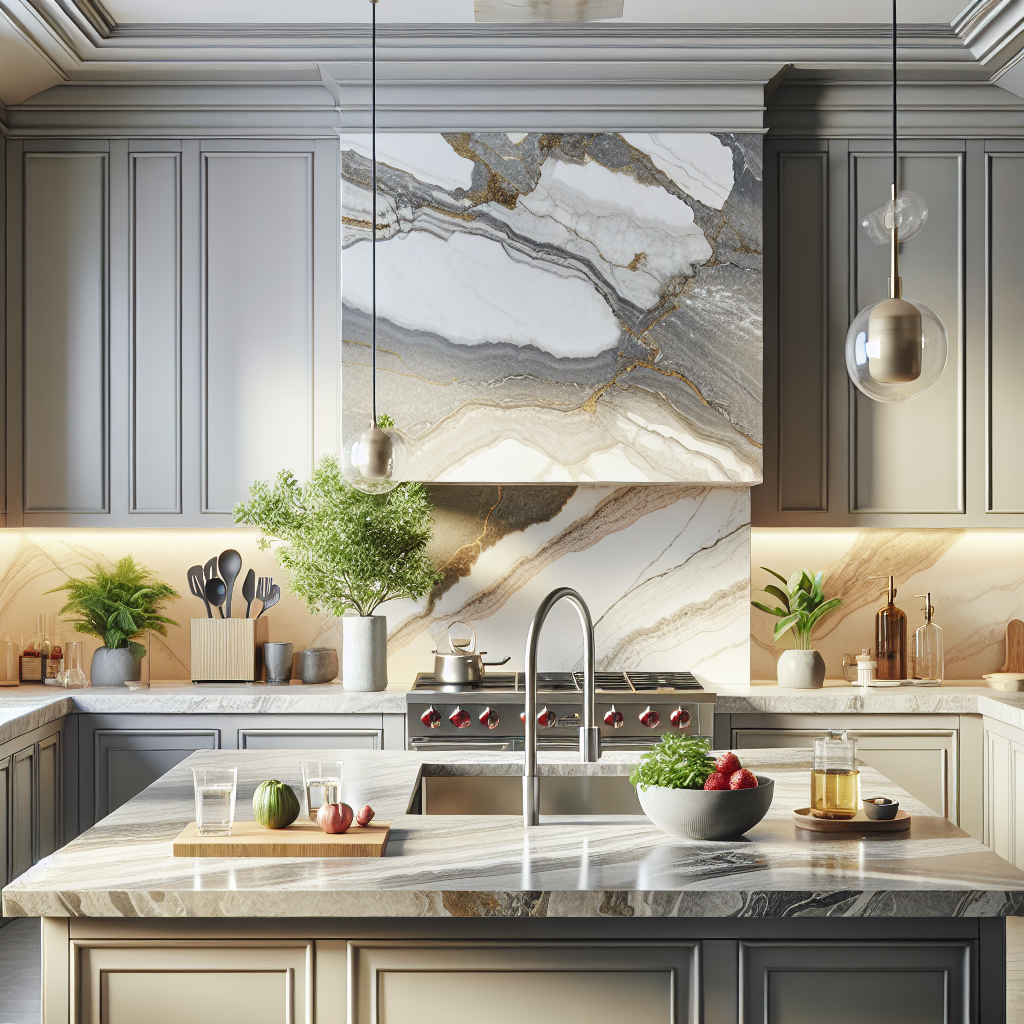


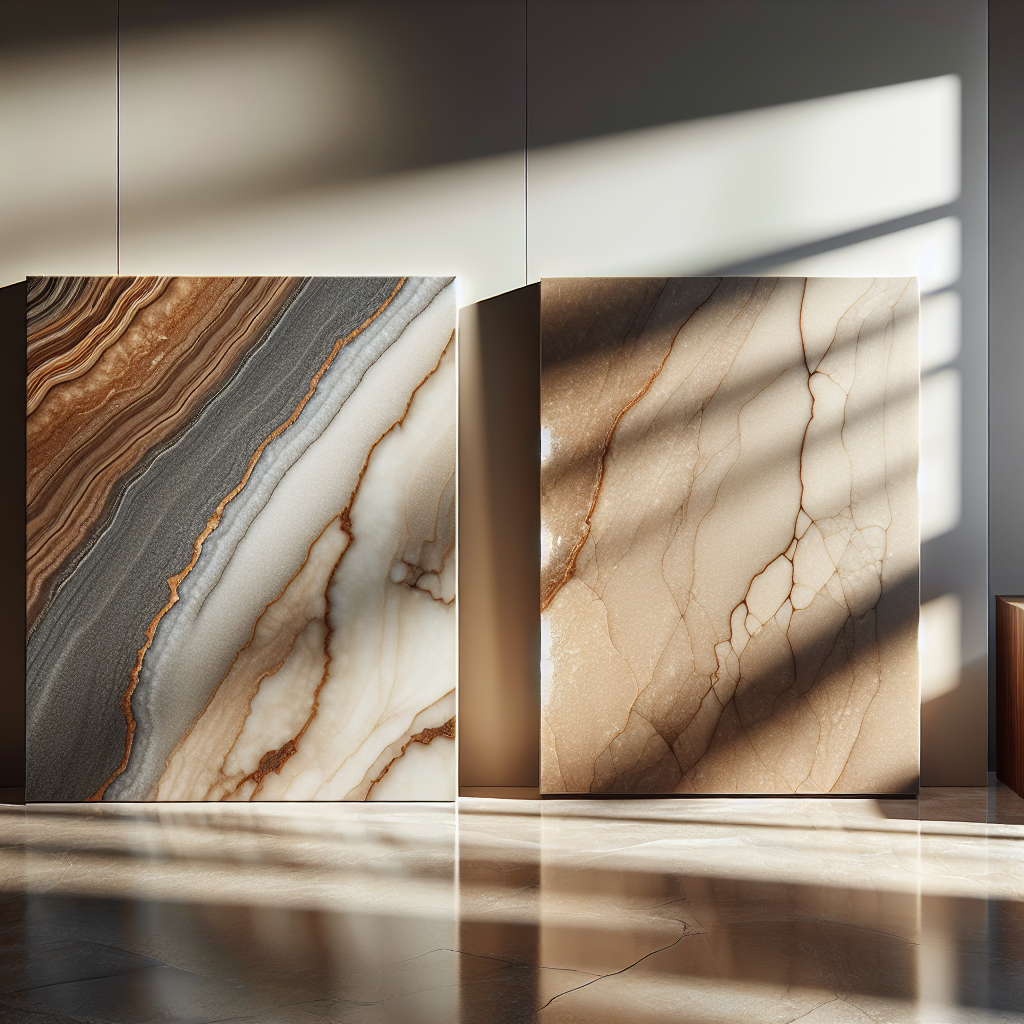
When it comes to choosing the ideal materials for your home or commercial space, understanding the differences between Gardenia slabs and Dekton is crucial. Both options offer unique benefits, making them popular choices among homeowners and designers alike.
Gardenia slabs are often praised for their natural beauty, showcasing rich textures and colors that bring warmth and elegance to any area. These slabs are typically made from high-quality stone, ensuring durability and a timeless appeal. In contrast, Dekton is an innovative, man-made material that combines natural minerals with advanced technology, resulting in a product that is not only aesthetically pleasing but also incredibly resilient.
With a wide range of styles available, both materials can be tailored to fit various design preferences. Some key aspects to consider include:
- Durability: How each material withstands wear and tear.
- Maintenance: The level of care required to keep the surfaces looking their best.
- Cost: The price point of each option and the value they provide.
As you navigate the decision-making process, it’s essential to assess your specific needs and preferences. Call Us Today to Schedule an Appointment: (561) 810-8586 in Boynton Beach (954) 984-7007 in Pompano Beach to discuss your project and explore the stunning options available at BR Stone.
Key Features of Gardenia Slabs
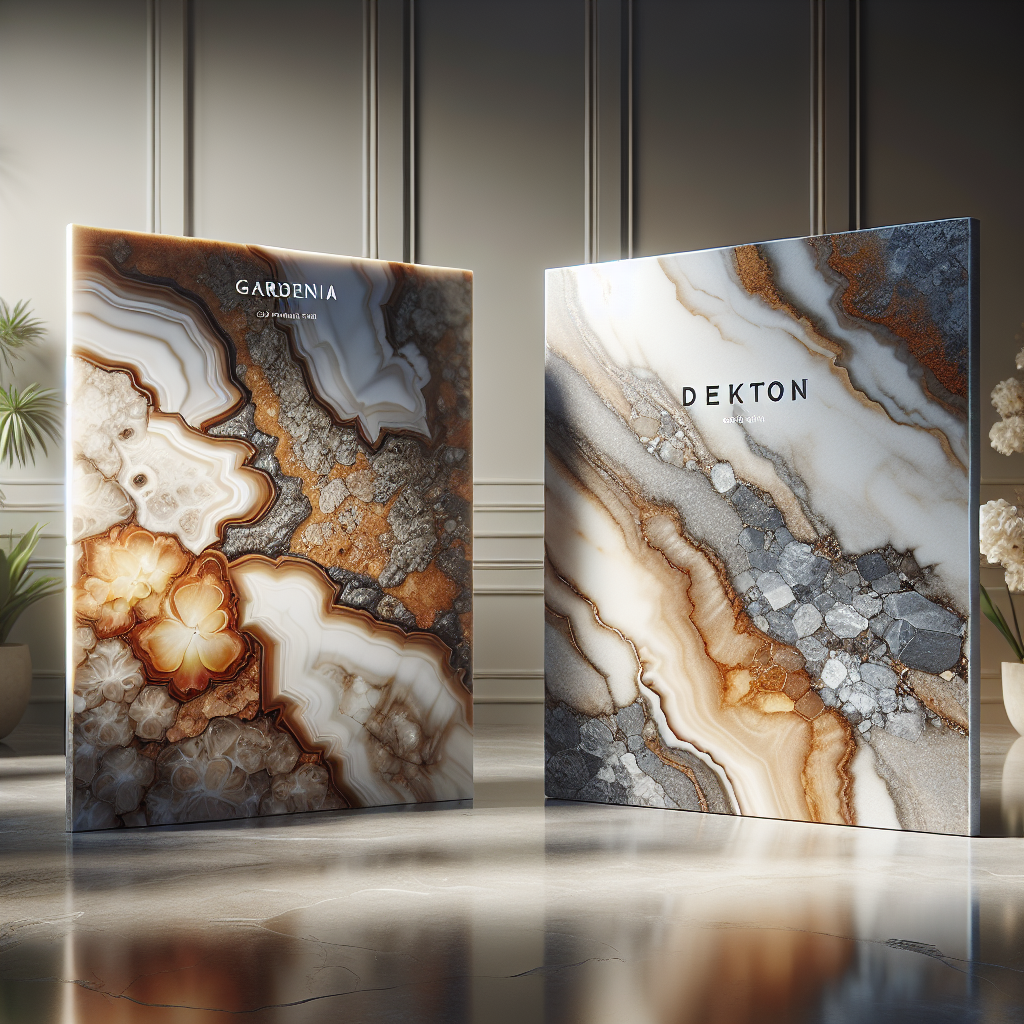
Gardenia slabs are renowned for their striking aesthetic and practical benefits, making them a top choice for both residential and commercial applications. Here are some of the key features that set Gardenia slabs apart:
- Natural Beauty: Gardenia slabs are derived from natural stone, offering unique patterns and colors that add character to any space. Each slab is a one-of-a-kind creation, showcasing the beauty of nature.
- Durability: These slabs are known for their resilience and strength, making them resistant to scratches, heat, and other forms of wear and tear. With proper care, Gardenia slabs can maintain their stunning appearance for years.
- Versatility: Available in various finishes and styles, Gardenia slabs can seamlessly integrate into different design themes, from classic to modern. They are suitable for countertops, backsplashes, and even flooring.
- Low Maintenance: Unlike some other natural stones, Gardenia slabs require minimal upkeep. Regular cleaning with mild soap and water is usually sufficient to keep them looking pristine.
- Eco-Friendly: Sourced from nature, Gardenia slabs are a sustainable choice for environmentally-conscious consumers. They can be recycled and repurposed, minimizing waste.
With these features, Gardenia slabs not only enhance the visual appeal of a space but also provide functional benefits that make them a worthwhile investment for any project.
Advantages of Choosing Dekton Surfaces
Dekton surfaces have gained popularity in recent years as a leading choice for modern design, and for good reason. Here are some significant advantages that make Dekton an outstanding option for various applications:
- Exceptional Durability: One of the most notable advantages of Dekton is its remarkable durability. Made from a blend of raw materials, including glass, porcelain, and quartz, Dekton is highly resistant to scratches, stains, and heat, making it ideal for busy kitchens and high-traffic areas.
- UV Resistance: Unlike some natural stones, Dekton surfaces are resistant to fading and discoloration caused by UV rays. This makes them perfect for outdoor applications, maintaining their vibrant colors and patterns even in direct sunlight.
- Non-Porous Surface: Dekton is non-porous, which means it does not absorb liquids or harbor bacteria. This feature makes it a hygienic choice for countertops, as it is easy to clean and maintain.
- Versatile Design Options: Available in a wide range of colors, textures, and finishes, Dekton can easily complement any design aesthetic. Whether you prefer a sleek, modern look or a more traditional feel, there’s a Dekton surface to suit your style.
- Large Format Slabs: Dekton is available in large format slabs, reducing the number of seams in installations. This not only enhances the visual appeal but also simplifies the installation process, making it a favorite among designers and contractors.
With these impressive advantages, Dekton surfaces provide an excellent combination of beauty and practicality, making them a smart choice for homeowners and businesses alike.
Comparative Analysis of Durability and Maintenance
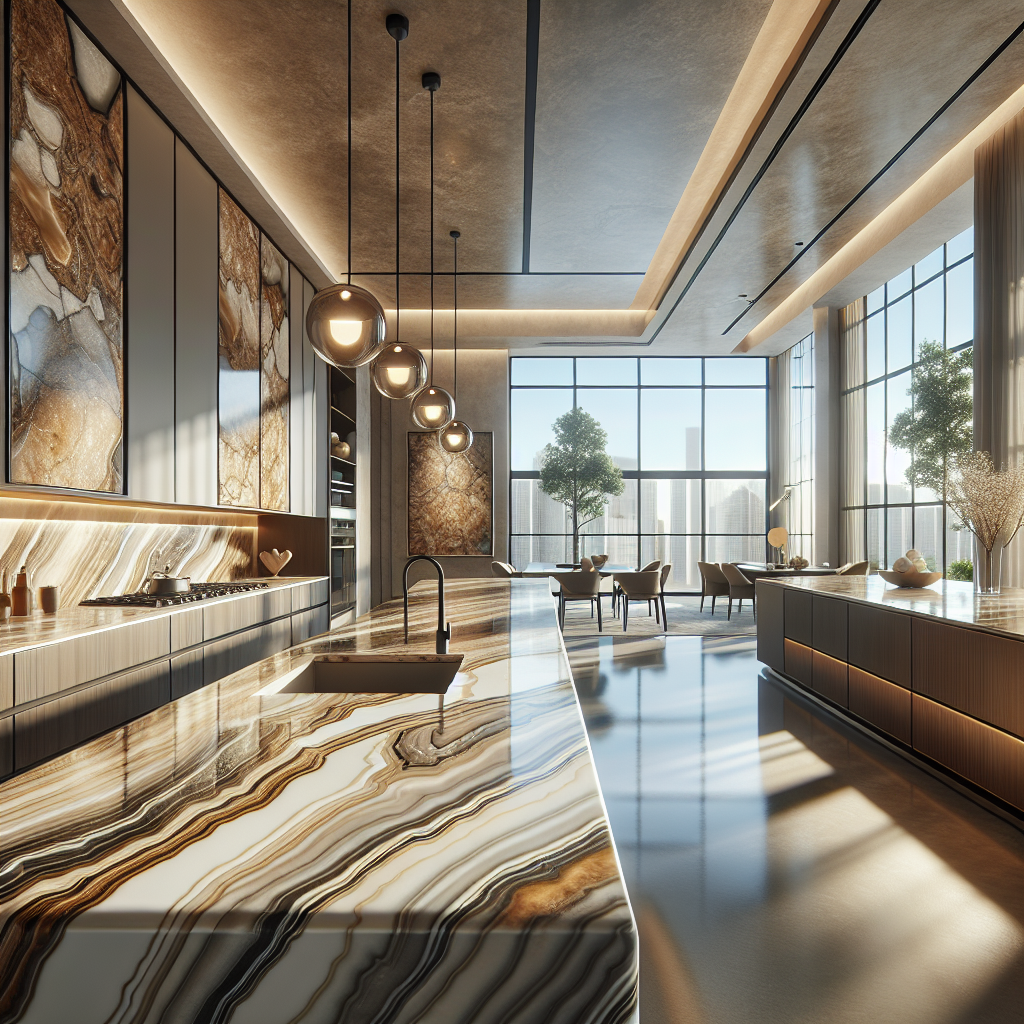
When considering gardenia slabs vs dekton, durability and maintenance are two crucial factors that can influence your decision. Both materials offer distinct advantages, but they cater to different needs and preferences.
Durability: Gardenia slabs, known for their natural beauty, are generally robust and can withstand everyday wear. However, they can be prone to scratching and chipping if not properly cared for. On the other hand, Dekton surfaces are engineered for superior durability. Their composition makes them resistant to scratches, heat, and stains, making Dekton a great choice for high-traffic areas and versatile applications.
Maintenance: When it comes to maintenance, gardenia slabs require sealing to protect against stains and moisture absorption. This process can be time-consuming and needs to be repeated periodically to maintain the stone’s integrity. In contrast, Dekton is non-porous and requires minimal maintenance. A simple wipe-down with a mild detergent is typically sufficient to keep it looking pristine.
In summary, while both gardenia slabs and Dekton offer aesthetic appeal, Dekton surfaces shine in terms of durability and ease of maintenance. Depending on your lifestyle and design goals, one may be more suitable than the other.
Design Aesthetics: Gardenia vs Dekton
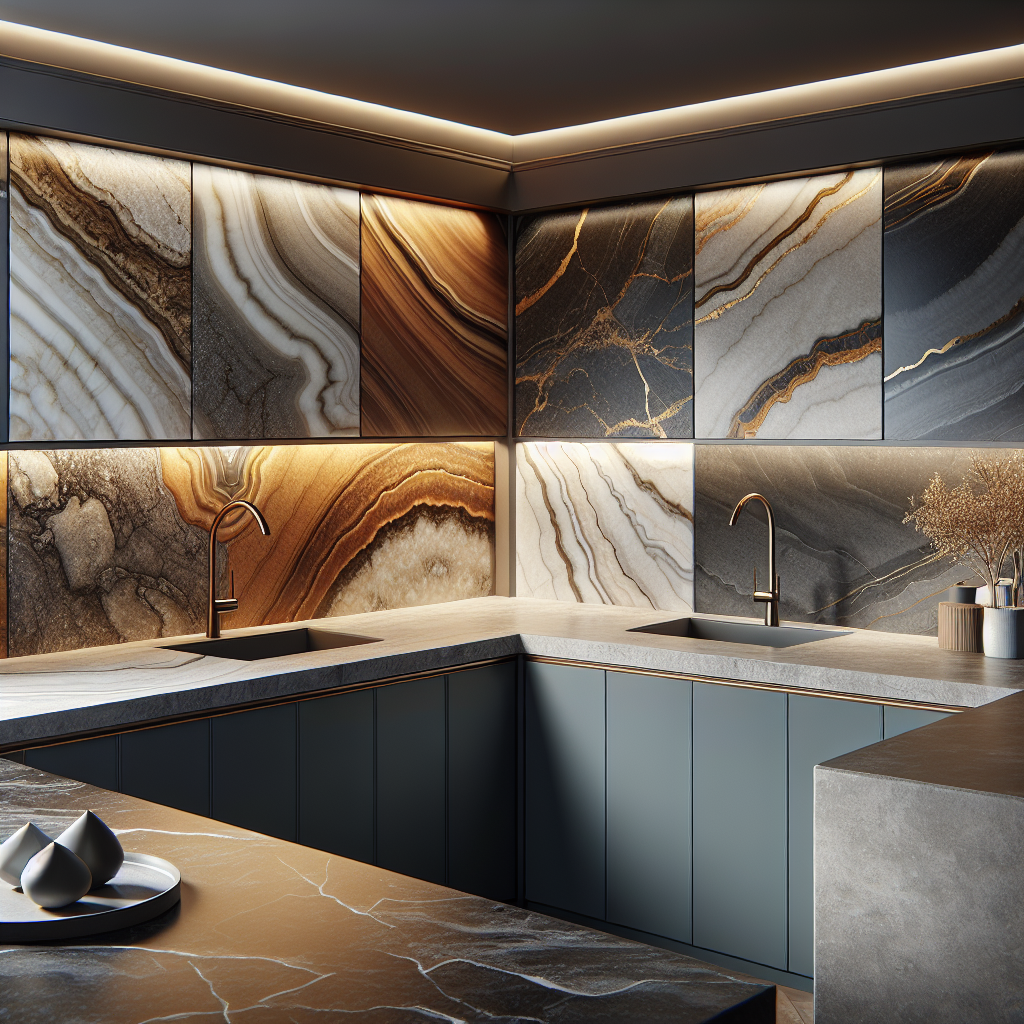
When evaluating gardenia slabs vs dekton in terms of design aesthetics, the choice often comes down to personal preference and the overall vision for your space. Both materials bring unique beauty and character to any interior or exterior setting.
Gardenia Slabs: With their natural origins, gardenia slabs exhibit intricate patterns and colors that reflect the beauty of the earth. These slabs often feature rich veining and a variety of hues, allowing for stunning visual effects that can serve as a focal point in kitchens and bathrooms. The organic look of gardenia adds warmth and elegance, making them suitable for a variety of design styles, from traditional to contemporary.
Dekton: In contrast, Dekton is an innovative surface material that offers a modern aesthetic with a sleek, uniform appearance. Available in an array of colors and finishes, Dekton can mimic the look of natural stones, concrete, and even wood, providing a versatile option for any design theme. Its ability to be customized allows homeowners and designers to create seamless surfaces that enhance the overall flow of a space.
Ultimately, the choice between gardenia slabs and Dekton comes down to the desired look and feel of your project. Whether you prefer the natural elegance of gardenia or the contemporary flair of Dekton, both options provide the opportunity to create a stunning visual impact in your home.
Making the Right Choice for Your Project
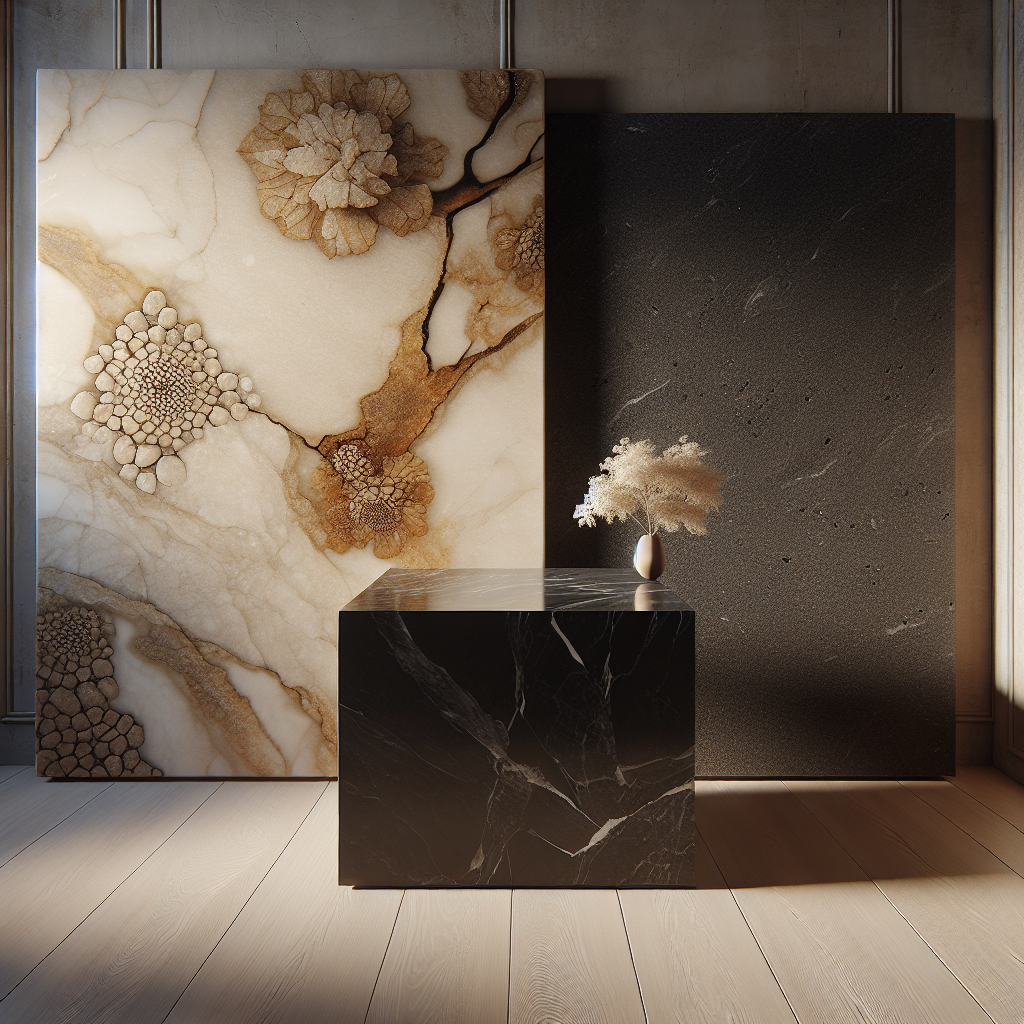
Choosing between gardenia slabs vs dekton for your project can seem overwhelming, but understanding your specific needs and preferences can simplify the decision-making process. Consider the following factors that may influence your choice:
- Functionality: Assess how you plan to use the space. Dekton offers exceptional durability and resistance to scratches, stains, and heat, making it ideal for high-traffic areas. On the other hand, gardenia slabs, with their unique beauty, are perfect for creating a luxurious focal point.
- Maintenance: If you prefer low-maintenance materials, Dekton might be the better option, as it requires minimal upkeep. Gardenia slabs, while stunning, may require periodic sealing to maintain their appearance.
- Design Preferences: Think about the overall aesthetic you wish to achieve. If you lean towards a natural, organic look, gardenia slabs will provide stunning visual appeal. If you prefer a sleek, modern finish, Dekton could be the way to go.
Ultimately, both materials offer exceptional quality and beauty, catering to different design styles and functional needs. To make the most informed decision, explore your options and consult with experts who can guide you through the selection process.
Call Us Today to Schedule an Appointment: (561) 810-8586 in Boynton Beach (954) 984-7007 in Pompano Beach