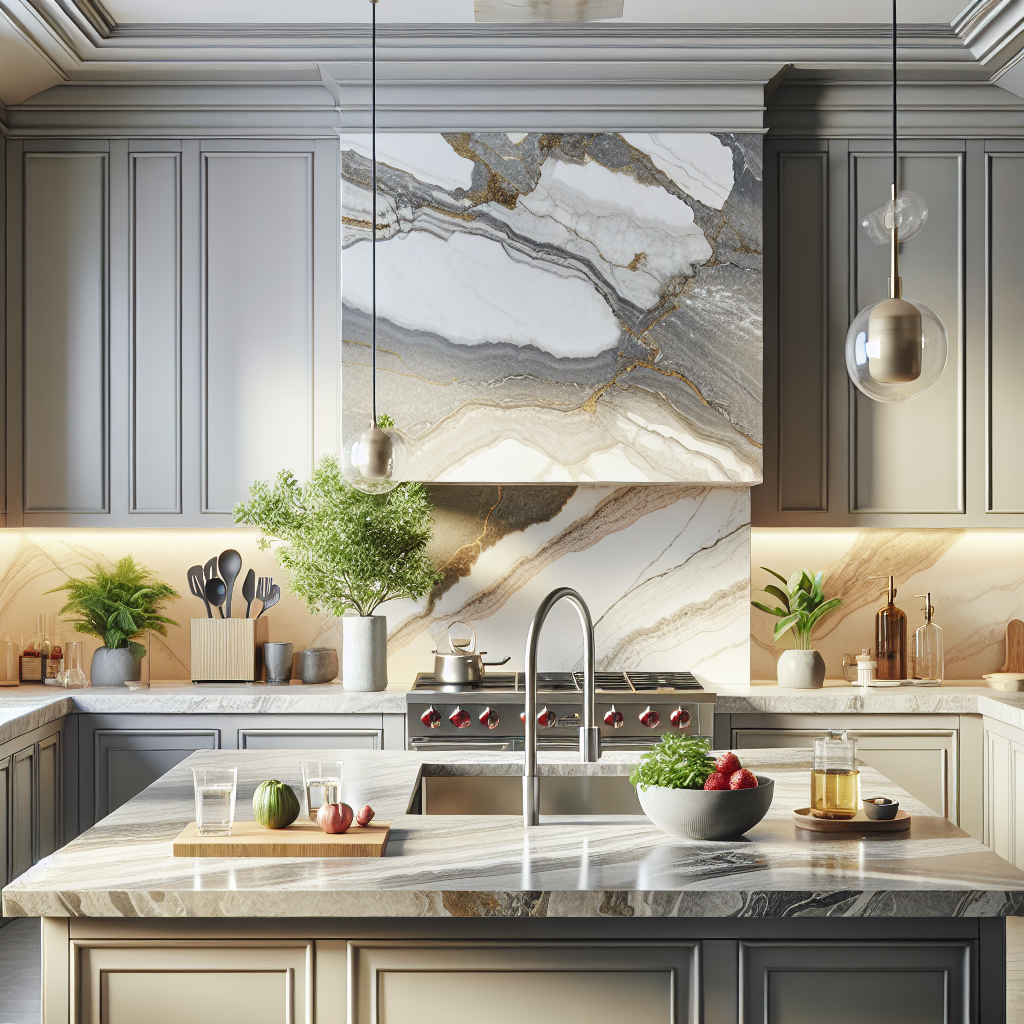



When considering a beautiful and durable option for your kitchen or bathroom, quartzite countertops emerge as a top contender. Quartzite is a natural stone that originates from sandstone and undergoes a metamorphosis through heat and pressure, resulting in a highly durable and stunning material. One of the primary benefits of quartzite is its remarkable resistance to scratches and heat, making it an ideal choice for busy kitchens where both functionality and aesthetic appeal are paramount.
Aside from its durability, quartzite offers a unique visual charm. The stone features an array of vibrant colors and intricate patterns that can complement a variety of design styles, from modern to rustic. Homeowners often appreciate that each slab is one-of-a-kind, providing an exclusive touch to their spaces. Some other benefits of quartzite countertops include:
- Low Maintenance: Unlike some natural stones, quartzite is non-porous, which helps in resisting stains and making it easier to clean.
- Timeless Elegance: The natural beauty of quartzite can enhance the aesthetic appeal of any area, adding value to your home.
- Eco-Friendly: Being a natural stone, quartzite is an environmentally friendly choice compared to synthetic materials.
Whether you’re renovating your home or planning a new build, quartzite countertops can offer both functionality and beauty. Call Us Today to Schedule an Appointment: (561) 810-8586 in Boynton Beach (954) 984-7007 in Pompano Beach to explore the stunning options available at BR Stone.
Factors Influencing Quartzite Countertop Costs
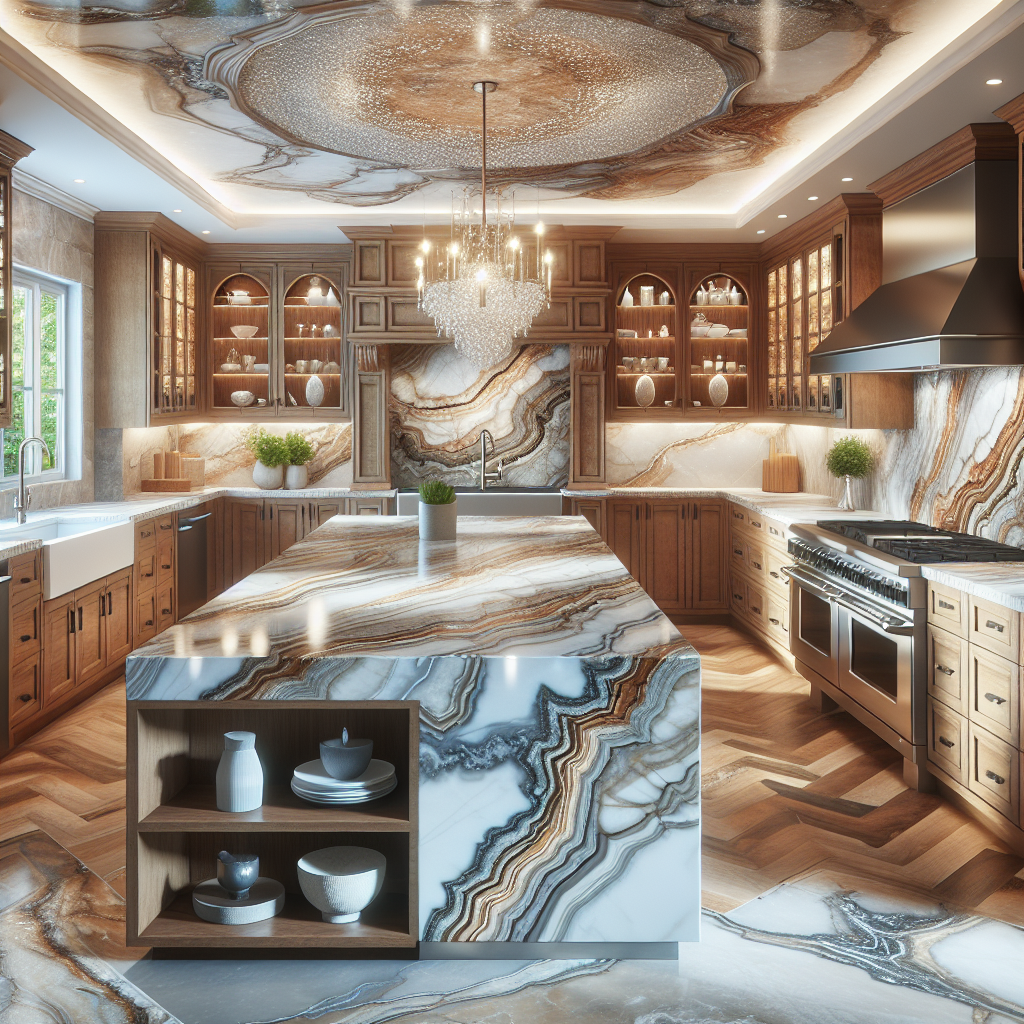
The average cost for quartzite countertops can vary significantly based on several key factors. Understanding these elements can help you make an informed decision when selecting the perfect countertop for your space. Here are some of the primary factors that influence quartzite countertop costs:
- Quality of the Stone: Not all quartzite is created equal. Higher-quality stones with fewer imperfections and more vibrant colors tend to be more expensive. These premium stones often undergo rigorous selection processes.
- Thickness: Quartzite countertops come in various thicknesses, typically ranging from 1.25 inches to 2 inches. Thicker slabs generally cost more due to the increased amount of material required.
- Size of the Slab: The dimensions of the slab you choose directly impact the cost. Larger slabs not only require more material but also may need additional labor for installation.
- Fabrication and Installation: The complexity of the fabrication process can also affect costs. Custom cuts, edge treatments, and unique designs will require more labor and time, leading to higher prices.
- Location: The geographical location of your supplier and installer can play a role in pricing. Transportation costs, local market demand, and labor rates can all influence the final cost of your quartzite countertops.
By considering these factors, you can better navigate the pricing landscape of quartzite countertops and find the best option to fit your budget and aesthetic requirements.
Average Cost Range for Quartzite Countertops
When planning a renovation or new construction, understanding the average cost for quartzite countertops is crucial. Typically, the price of quartzite countertops can range from $60 to $120 per square foot. This range is influenced by various factors, including the quality of the stone, thickness, and region of purchase.
Here’s a more detailed breakdown of what you can expect:
- Lower-End Quartzite: Priced between $60 and $80 per square foot, this category usually includes entry-level quartzite with basic colors and patterns. These options may have some imperfections but can still provide a beautiful look for budget-conscious homeowners.
- Mid-Range Quartzite: This range spans $80 to $100 per square foot and generally includes better quality stones with more appealing designs and colors. Mid-range quartzite often offers a balance between quality and affordability, making it a popular choice.
- High-End Quartzite: For premium options, expect to pay between $100 and $120 per square foot. High-end quartzite features stunning visuals, unique patterns, and superior quality, making it ideal for upscale projects where aesthetics are a priority.
It’s important to note that these prices typically cover only the material costs. Additional expenses for fabrication, installation, and finishing can add significantly to the final bill. Therefore, budgeting for the complete project is essential for a smooth renovation experience.
Comparing Quartzite to Other Stone Countertops
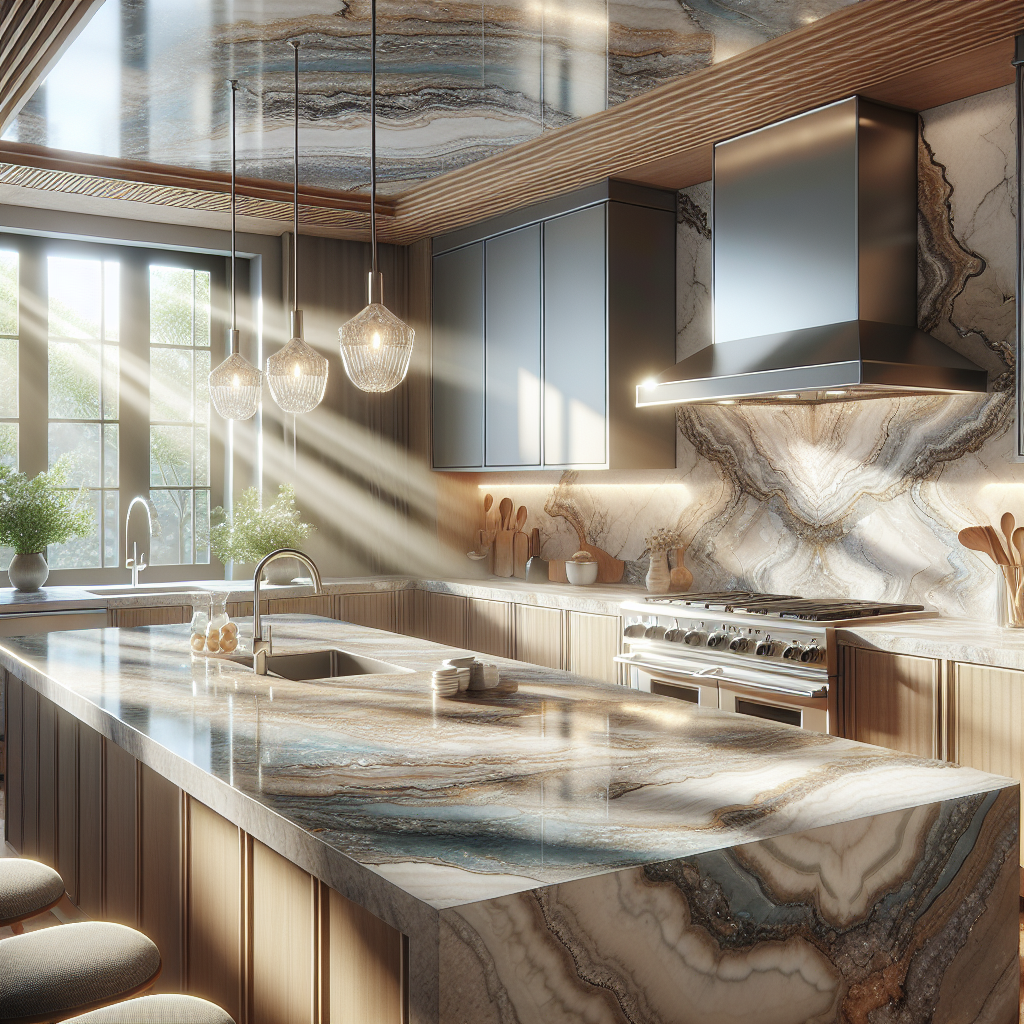
When choosing the perfect countertop material, it’s essential to compare quartzite to other popular stone options, such as granite, marble, and quartz. Each material has unique characteristics that can influence your decision based on aesthetic preferences, durability, and maintenance.
Quartzite vs. Granite: Both quartzite and granite are natural stones known for their durability. However, quartzite is typically harder and more resistant to scratching and heat. Granite, while still durable, may require periodic sealing to prevent staining, whereas quartzite’s density makes it less porous.
Quartzite vs. Marble: Marble is renowned for its luxurious appearance and intricate veining. However, it is softer than both quartzite and granite, making it more prone to scratches and etching from acidic substances. While quartzite can mimic the look of marble while offering better durability, it may not have the same dramatic veining patterns.
Quartzite vs. Quartz: Unlike quartzite, which is a natural stone, quartz countertops are engineered from a blend of natural quartz and resins. This makes quartz countertops more uniform in appearance and available in a wide range of colors. However, quartzite offers a more natural and unique look, with distinct patterns and colors that vary from slab to slab. Additionally, quartzite is more heat-resistant than quartz, making it a better option for high-temperature cooking environments.
Ultimately, the choice between quartzite and other stone countertops depends on your specific needs and design preferences. Considering aspects like durability, maintenance, and aesthetic appeal can help you make an informed decision that suits your home.
Tips for Budgeting Your Quartzite Countertop Project
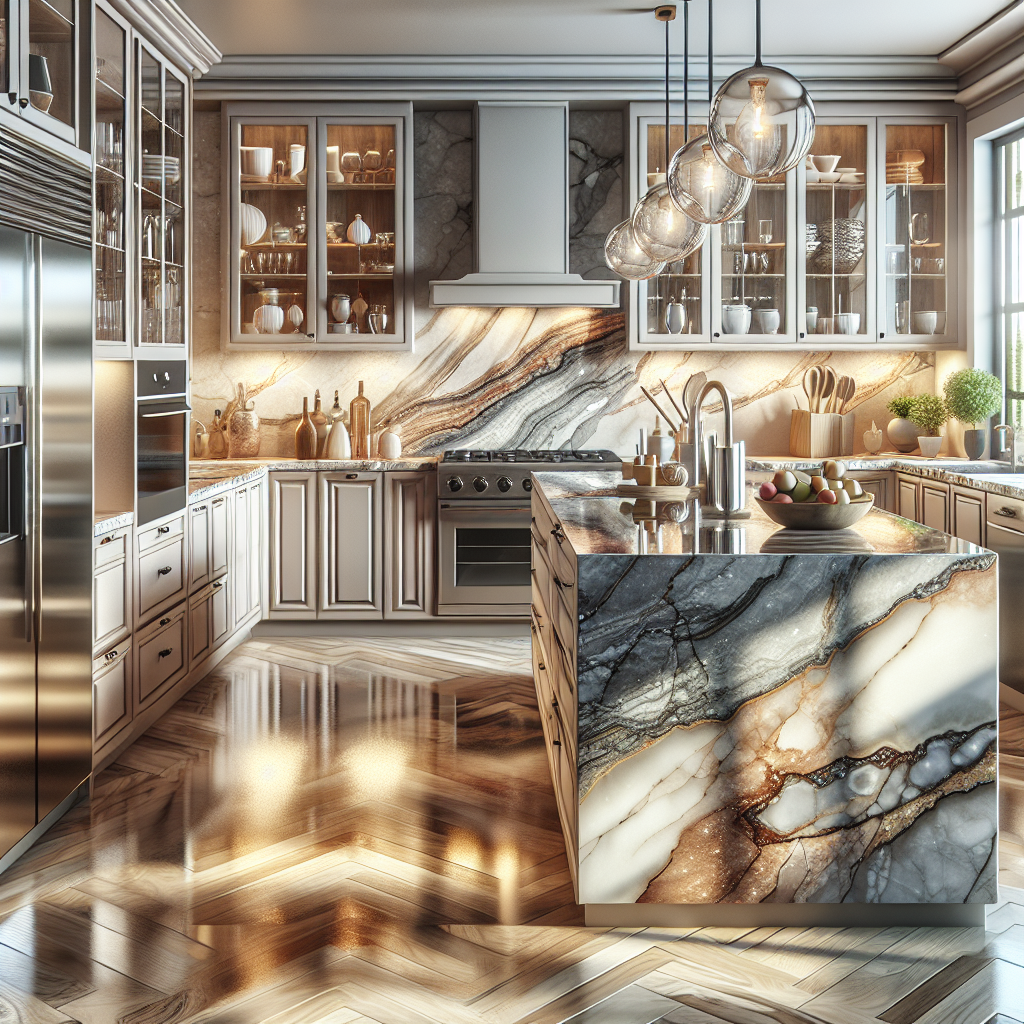
Planning your budget for a quartzite countertop project is crucial to ensure that you achieve your desired look without breaking the bank. Here are some valuable tips to help you budget effectively for your quartzite countertop:
- Research Average Costs: Familiarize yourself with the average cost for quartzite countertops in your area. This will give you a benchmark to work with and help you avoid overpaying.
- Choose the Right Thickness: Quartzite slabs come in various thicknesses, typically ranging from 2cm to 3cm. Opting for a thinner slab can save you money, but be aware of the potential implications on durability and aesthetics.
- Consider Edge Profiles: The edge profile you choose can significantly impact the overall cost. Simple, straight edges are more budget-friendly, while intricate designs may add to the expense.
- Get Multiple Quotes: Don’t hesitate to reach out to several suppliers and fabricators to get quotes. Compare prices, quality, and services to find the best fit for your budget and needs.
- Factor in Installation Costs: Remember to include installation costs in your budget, as they can vary depending on the complexity of the project. Professional installation is recommended to ensure a flawless finish.
- Plan for Extras: Account for additional costs such as sinks, faucets, or backsplashes that may complement your quartzite countertops. These elements can enhance your overall design but should be included in your budget.
By following these tips, you can create a realistic budget for your quartzite countertop project, ensuring that you achieve a beautiful and functional space without overspending.
Where to Purchase Quartzite Countertops
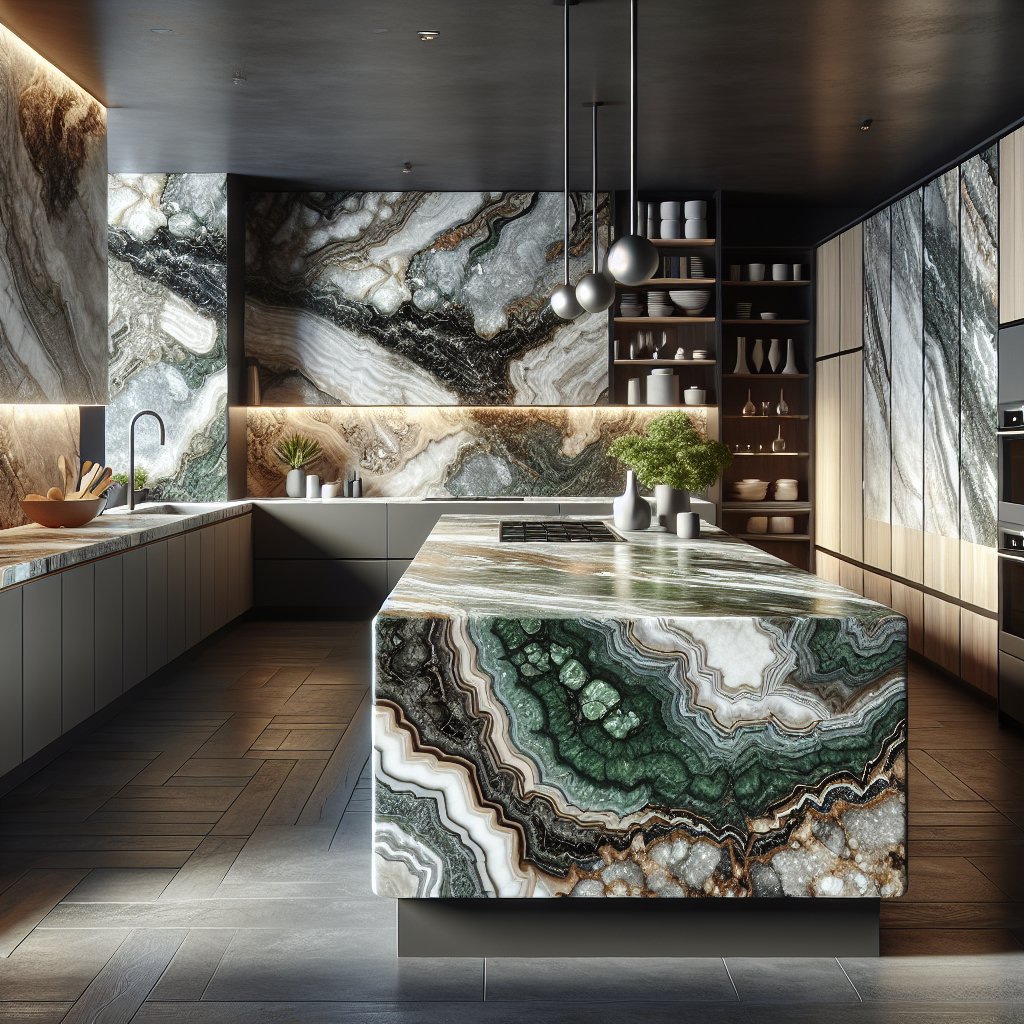
Finding the right place to purchase quartzite countertops is essential to ensure you receive high-quality materials and excellent customer service. There are several options to consider when looking for the perfect quartzite slabs for your project:
- Local Stone Suppliers: Start by visiting local stone suppliers and showrooms. This allows you to see the slabs in person, examine their quality, and discuss your project with knowledgeable staff.
- Home Improvement Stores: Big-box retailers often carry a selection of quartzite countertops. While convenient, it’s important to verify the quality and source of the stone.
- Specialized Stone Fabricators: Look for companies that specialize in stone fabrication. These businesses often have a wider selection and can provide custom options tailored to your needs.
- Online Retailers: Many online platforms offer quartzite countertops at competitive prices. While shopping online can be convenient, make sure to read reviews and verify the supplier’s reputation before making a purchase.
- Trade Shows and Expos: Attend home improvement trade shows and expos to connect with various suppliers and discover a range of options. You may also find exclusive deals and promotions.
When choosing where to purchase your quartzite countertops, consider factors such as quality, variety, customer service, and pricing. For high-quality slabs and exceptional service, call us today to schedule an appointment: (561) 810-8586 in Boynton Beach or (954) 984-7007 in Pompano Beach. Our team at BR Stone is ready to help you find the perfect quartzite for your home!