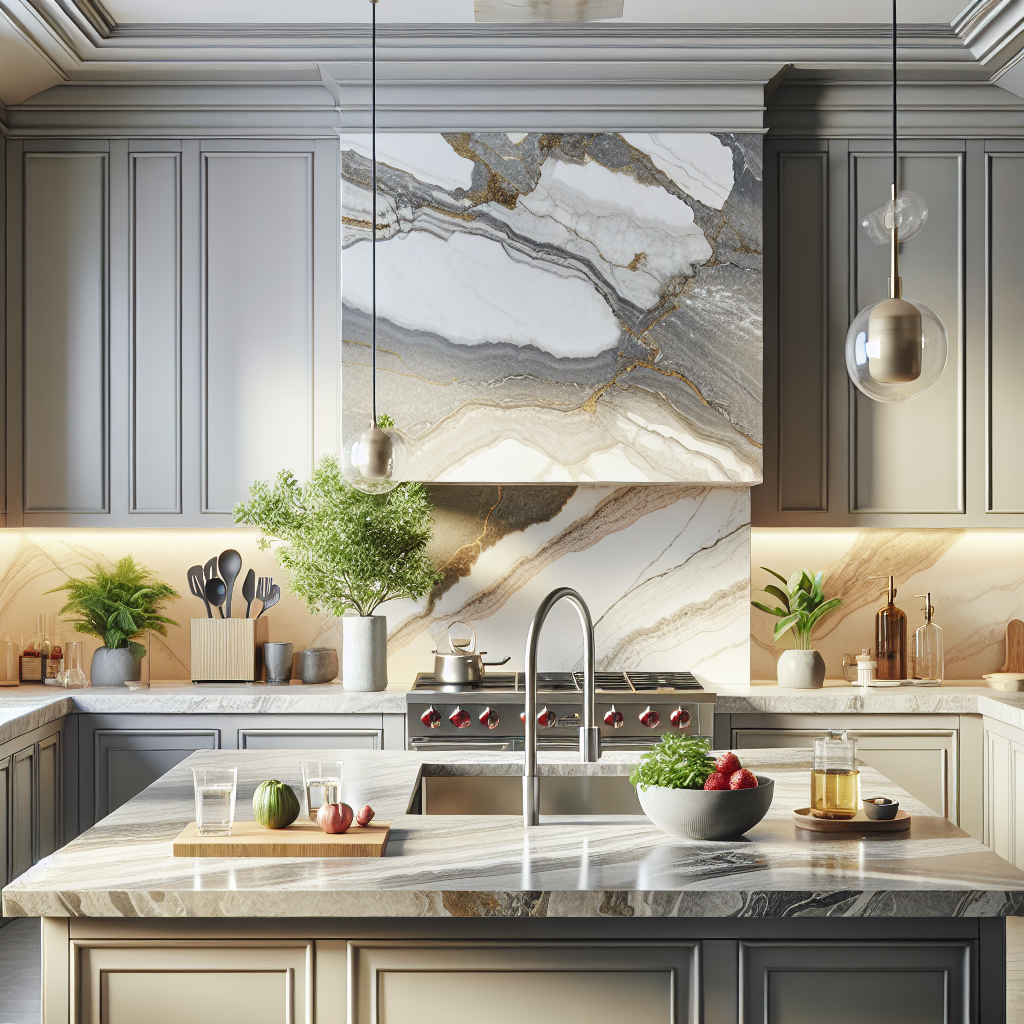


When it comes to selecting the perfect material for your flooring, the choice of stone can significantly impact the overall aesthetic and functionality of your space. With a multitude of options available, understanding which stone is good for flooring is essential to ensure you make an informed decision that meets both your style preferences and practical needs.
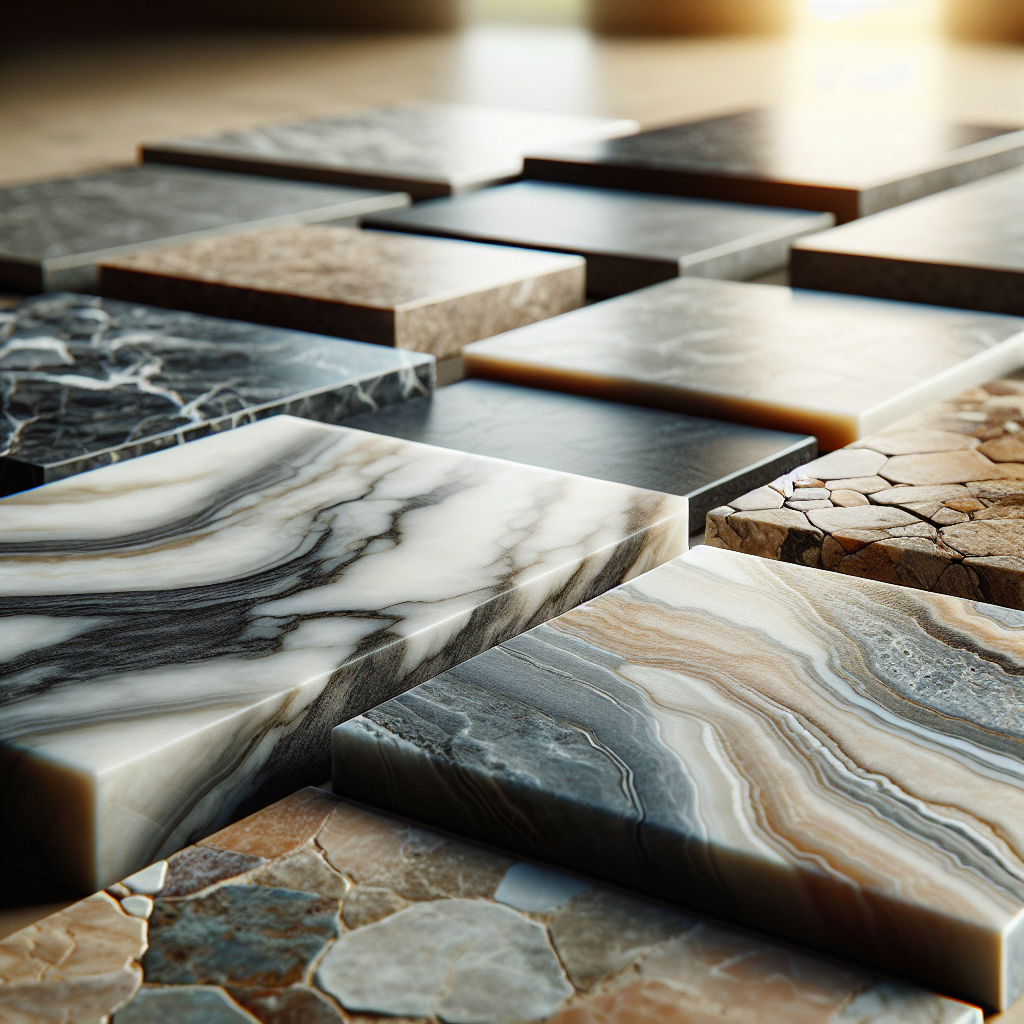
Natural stone flooring not only adds an element of luxury but also provides durability and longevity. Here are some popular stone options to consider:
- Marble: Known for its stunning appearance, marble offers elegance and sophistication. However, it requires more maintenance to keep its shine.
- Granite: This is one of the most durable stones available, making it ideal for high-traffic areas. Its variety of colors and patterns also adds versatility.
- Slate: With its unique texture and natural color variations, slate is perfect for both indoor and outdoor spaces.
- Travertine: This stone exudes warmth and character, making it a popular choice for patios and bathrooms, although it may need sealing.
Each of these options has its unique benefits and considerations, making it crucial to evaluate them based on your specific requirements. Call Us Today to Schedule an Appointment: (561) 810-8586 in Boynton Beach (954) 984-7007 in Pompano Beach to discuss which stone is best for your flooring project!
Benefits of Using Stone for Flooring Options
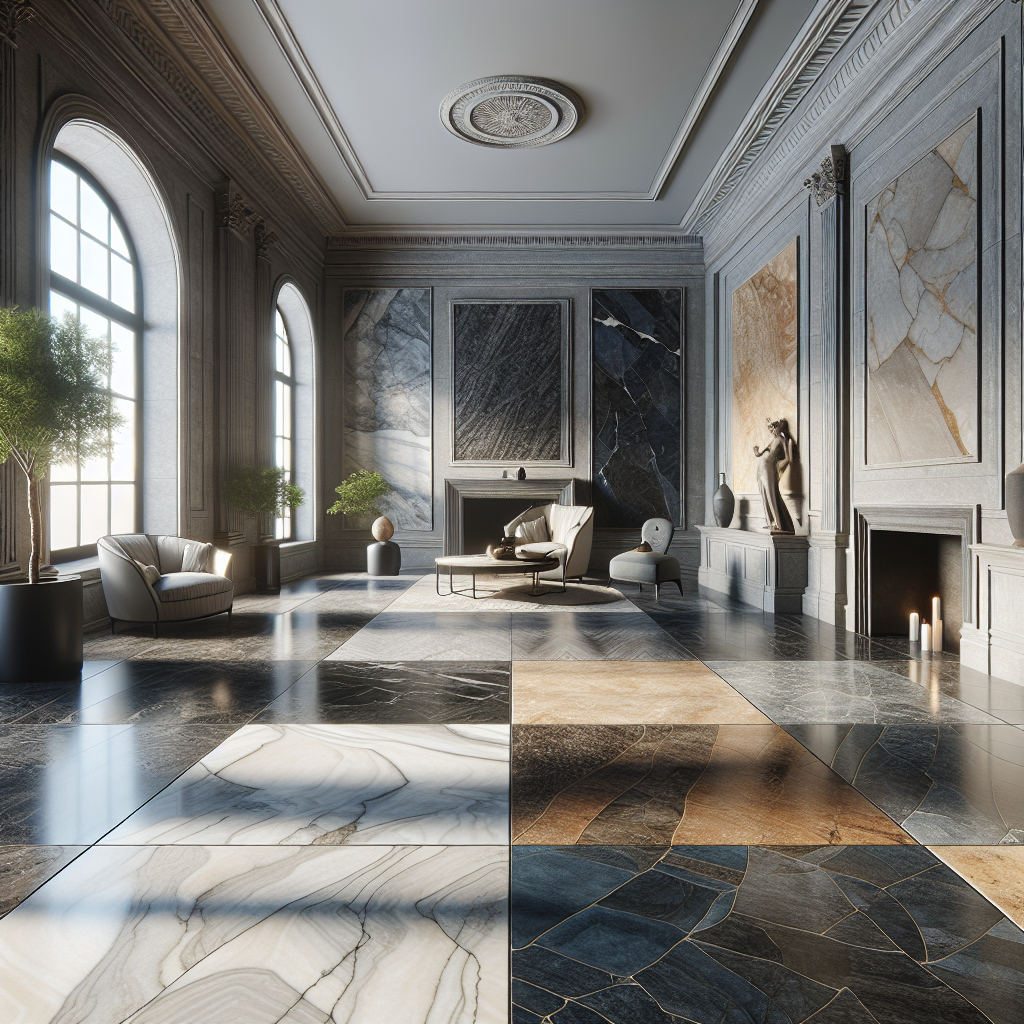
Choosing stone for your flooring brings a myriad of benefits that enhance both the aesthetic appeal and practical functionality of your space. Here are some compelling reasons to consider stone as your flooring material:
- Durability: Stone is one of the most robust flooring materials available, capable of withstanding heavy foot traffic and impact without significant wear and tear.
- Low Maintenance: Unlike other flooring options, stone requires minimal maintenance. A simple cleaning routine with mild soap and water can keep your stone floors looking pristine.
- Timeless Appeal: The natural beauty of stone adds a timeless elegance to any room. Its unique patterns and colors ensure that each piece is one-of-a-kind, making your floors a focal point.
- Temperature Regulation: Stone naturally stays cool, which can help regulate indoor temperatures, especially in warmer climates. This can lead to reduced energy costs in the long run.
- Eco-Friendly: As a natural material, stone is environmentally friendly. Many stones are sourced locally, reducing transportation emissions and supporting local economies.
With these advantages, stone flooring not only elevates the look of your home or business but also adds value and comfort. It’s an investment that pays off in both functionality and style.
Top Types of Stone for Residential Flooring
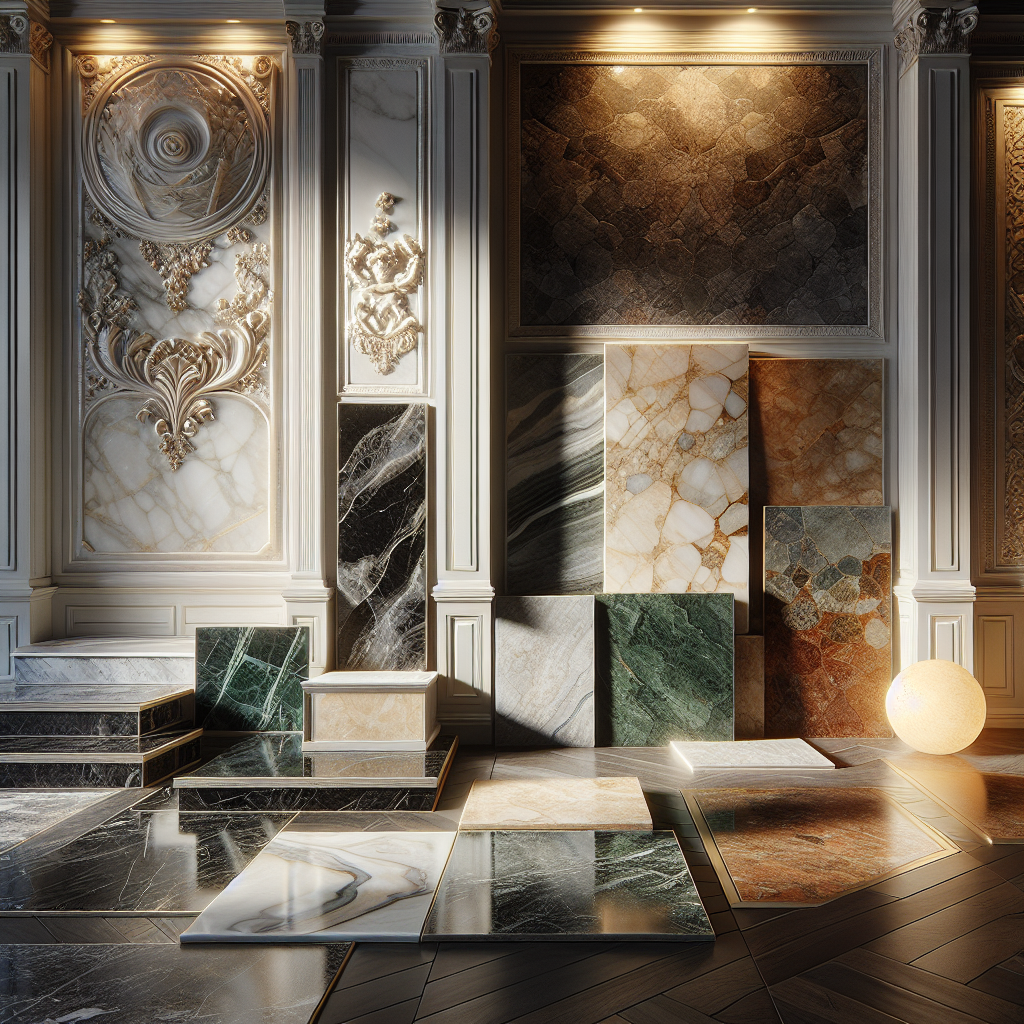
When considering which stone is good for flooring in residential spaces, several types stand out for their beauty, durability, and versatility. Here are some of the top choices:
- Granite: Known for its durability and resistance to scratches and stains, granite is an excellent choice for high-traffic areas. Available in a variety of colors and patterns, it can enhance the aesthetic of any room.
- Marble: Renowned for its luxurious appearance, marble adds a classic touch to any space. While it requires more maintenance due to its porous nature, the stunning visual appeal is often worth the extra effort.
- Slate: This natural stone is highly versatile and is available in a range of earthy colors. Slate is slip-resistant and can be a great option for areas like kitchens and bathrooms.
- Limestone: With its soft, natural tones, limestone provides a warm and inviting look. It is ideal for living spaces but should be sealed properly to avoid staining.
- Travertine: A type of limestone, travertine is known for its unique texture and earthy colors. It is suitable for both indoor and outdoor flooring, providing a seamless transition between spaces.
Each type of stone brings its unique charm and functionality to residential flooring. By selecting the right stone, homeowners can create beautiful and durable spaces that reflect their personal style.
Comparing Natural Stone and Engineered Stone
When deciding on which stone is good for flooring, it’s essential to understand the differences between natural stone and engineered stone. Both options offer unique benefits and drawbacks, making them suitable for different applications and personal preferences.
Natural Stone: This category includes materials such as granite, marble, limestone, and slate, which are quarried directly from the earth. The key characteristics of natural stone include:
- Unique Patterns: Each stone slab is one-of-a-kind, showcasing variations in color, texture, and veining that add character to any space.
- Durability: Natural stones are generally very durable and can withstand heavy foot traffic, making them ideal for homes.
- Eco-Friendly: Sourced from the earth, natural stone is a sustainable option, especially when considering its longevity.
However, natural stone requires regular maintenance and sealing to prevent staining and damage.
Engineered Stone: Made from a blend of natural stone aggregates and resins, engineered stone offers a different approach. Some notable features include:
- Consistency: Engineered stone provides a uniform appearance, which can be appealing for contemporary designs.
- Low Maintenance: It is generally more resistant to stains and scratches than natural stone, requiring less upkeep.
- Color and Design Variety: Available in a wide range of colors and patterns, engineered stone can mimic the look of natural stone while offering more customization options.
Ultimately, the choice between natural and engineered stone will depend on your specific needs, design preferences, and lifestyle. Understanding their differences can help you make an informed decision for your flooring project.
Factors to Consider When Selecting Stone Flooring
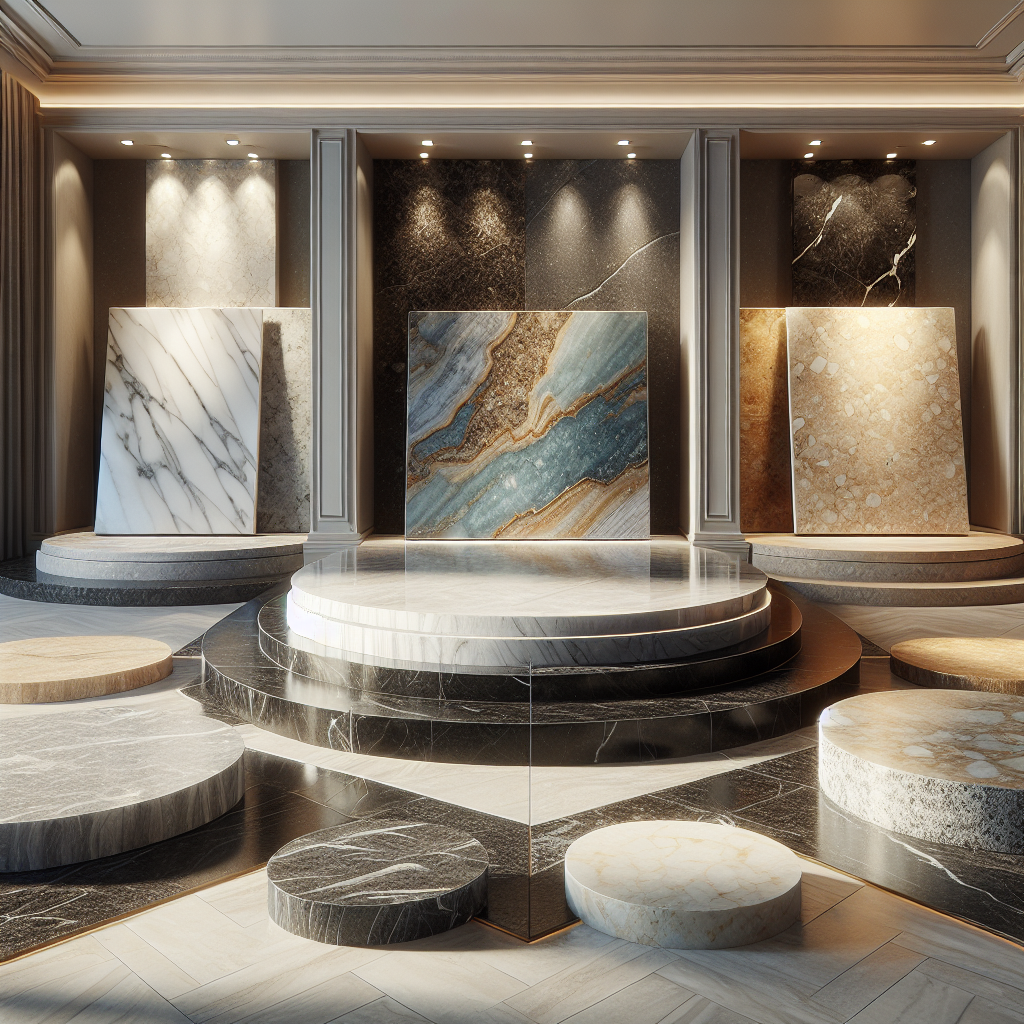
Selecting the right stone flooring involves careful consideration of various factors to ensure that your choice meets both aesthetic and functional needs. Here are some key elements to keep in mind:
- Durability: Assess the hardness and resistance of the stone to scratches, stains, and moisture. For high-traffic areas, consider stones like granite or quartzite that can withstand wear and tear.
- Maintenance: Different stones require varying levels of care. Natural stones like marble may need regular sealing, while engineered stones often offer lower maintenance requirements due to their resilient surfaces.
- Style and Design: Choose a stone that complements your overall interior design. Consider the color palette, patterns, and textures that will enhance your space’s aesthetic appeal.
- Cost: Budget is an essential factor. Natural stones can be more expensive due to their quarrying and installation costs, while engineered options may offer a more budget-friendly alternative.
- Climate: Depending on your location, certain stones may be more suitable than others. For instance, stones that retain heat, like slate, are excellent for colder climates, while lighter stones may be preferable in warmer areas.
- Slip Resistance: Safety is crucial, especially in areas prone to moisture. Look for stones with a textured surface or a higher slip resistance rating to minimize the risk of accidents.
By considering these factors, you can make a well-informed decision when selecting stone flooring that meets both your practical needs and design aspirations.
Maintenance Tips for Stone Flooring Longevity
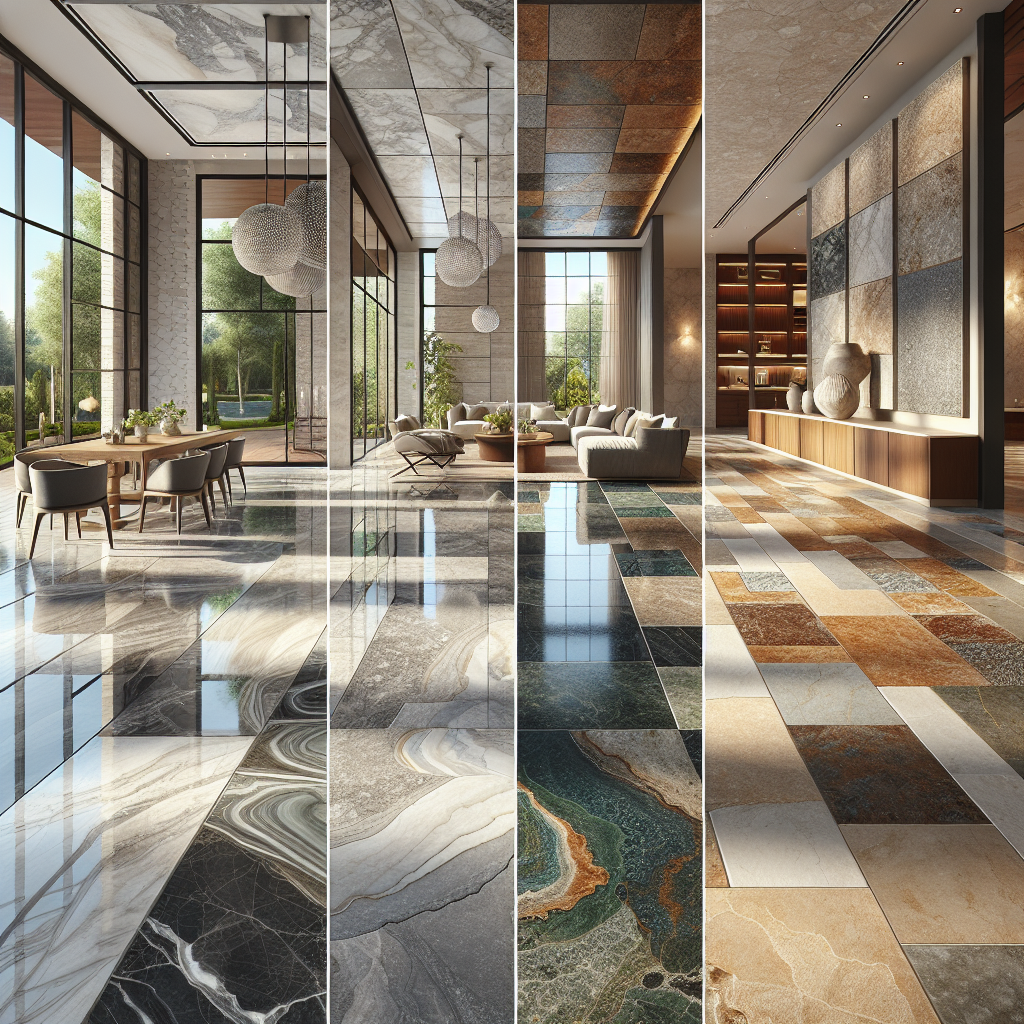
To ensure the longevity and beauty of your stone flooring, proper maintenance is essential. Adopting a regular care routine can help preserve the surface and prevent damage over time. Here are some effective maintenance tips:
- Regular Cleaning: Use a soft broom or vacuum to remove dirt and debris regularly. For deeper cleaning, a damp mop with a pH-neutral cleaner specifically designed for stone is ideal.
- Immediate Spill Cleanup: Stone is porous, which means liquids can seep into the surface and cause stains. Be sure to wipe up spills immediately to avoid permanent marks.
- Sealing: Depending on the type of stone, regular sealing is necessary to protect against stains and moisture. Marble and granite typically require resealing every 1-3 years, while some engineered stones may not need sealing at all.
- Avoid Harsh Chemicals: Steer clear of acidic or abrasive cleaners that can damage the stone. Instead, opt for gentle, stone-safe products to maintain the surface.
- Protect from Scratches: Place mats or rugs in high-traffic areas and use felt pads under furniture legs to prevent scratches and dents on the stone surface.
- Professional Maintenance: Consider scheduling professional cleaning and restoration services periodically to keep your stone flooring looking its best.
Implementing these maintenance tips will help you enjoy your stone flooring for years to come. Call Us Today to Schedule an Appointment: (561) 810-8586 in Boynton Beach (954) 984-7007 in Pompano Beach for expert advice and high-quality stone options!