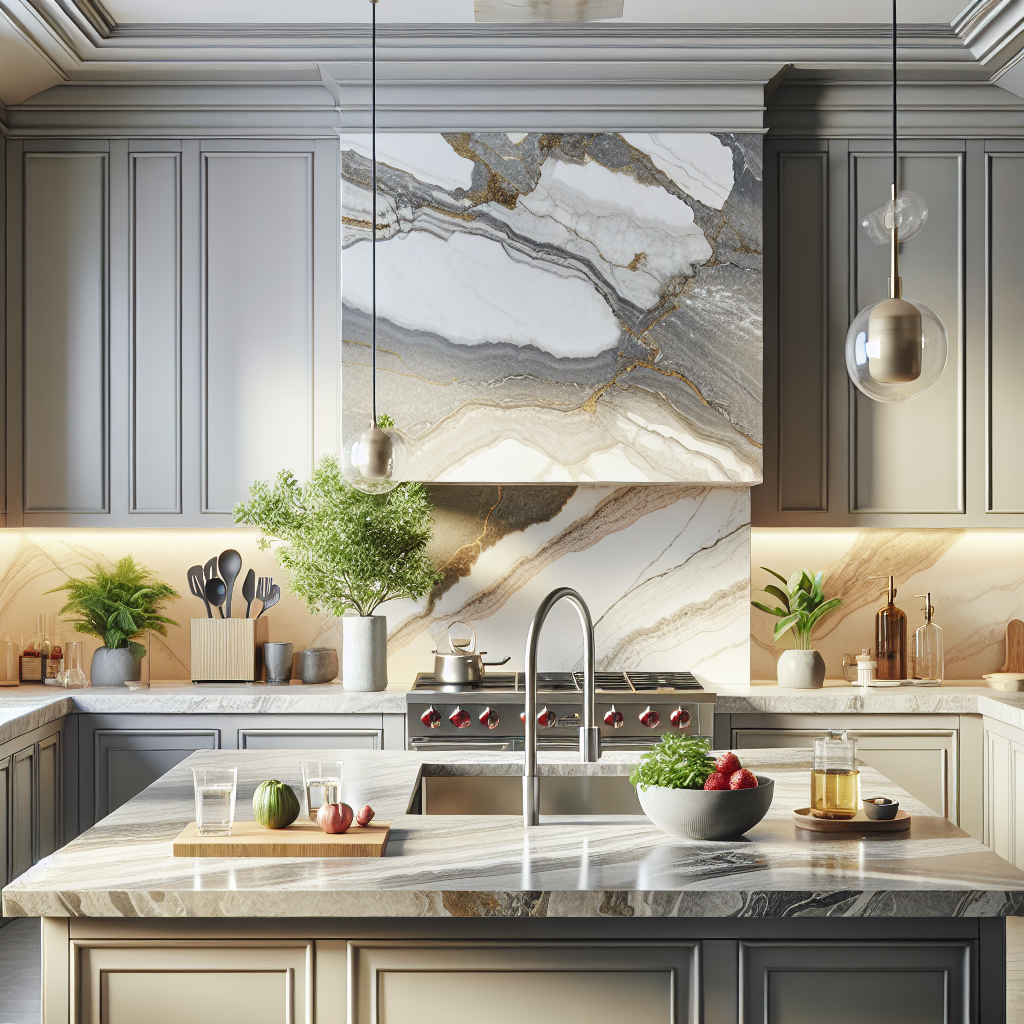


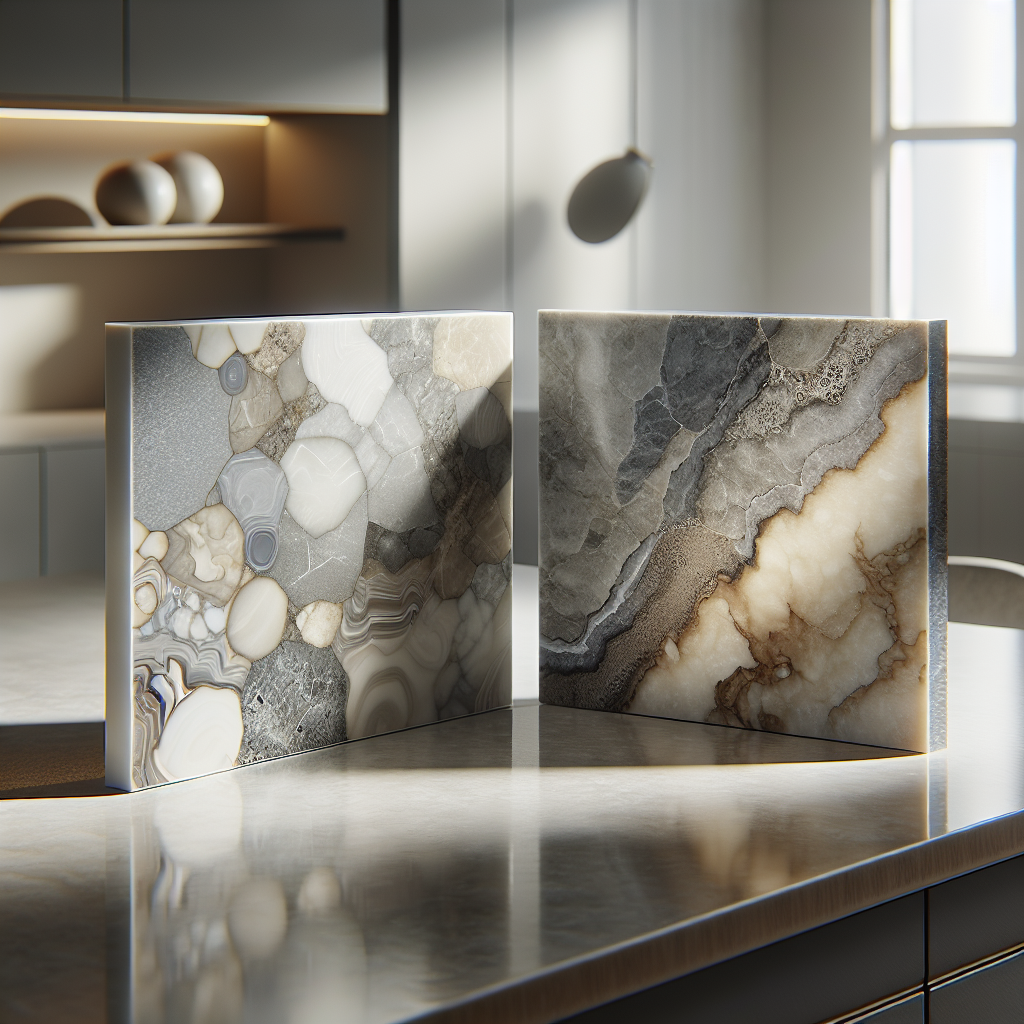
In the ever-evolving world of surface materials, two contenders stand out for their durability and aesthetic appeal: Dekton and Vulcan. As homeowners and designers seek the perfect balance of function and style, understanding the properties of these materials becomes essential.
Dekton is a high-performance surface created from a blend of raw materials, including glass, porcelain, and quartz. This unique combination results in a non-porous, scratch-resistant, and heat-resistant material that is ideal for both indoor and outdoor applications. Its versatility allows it to be used in various settings, from kitchen countertops to wall cladding.
On the other hand, Vulcan is renowned for its resilience and aesthetic versatility, making it an attractive option for those looking to make a statement. Vulcan surfaces are engineered to withstand heavy use while maintaining their visual appeal, and they are available in various designs that mimic natural stone.
As you consider the right material for your next project, it’s crucial to weigh the advantages of each. Call Us Today to Schedule an Appointment: (561) 810-8586 in Boynton Beach or (954) 984-7007 in Pompano Beach for personalized guidance on selecting the ideal surface material for your needs.
Key Characteristics of Dekton Surface
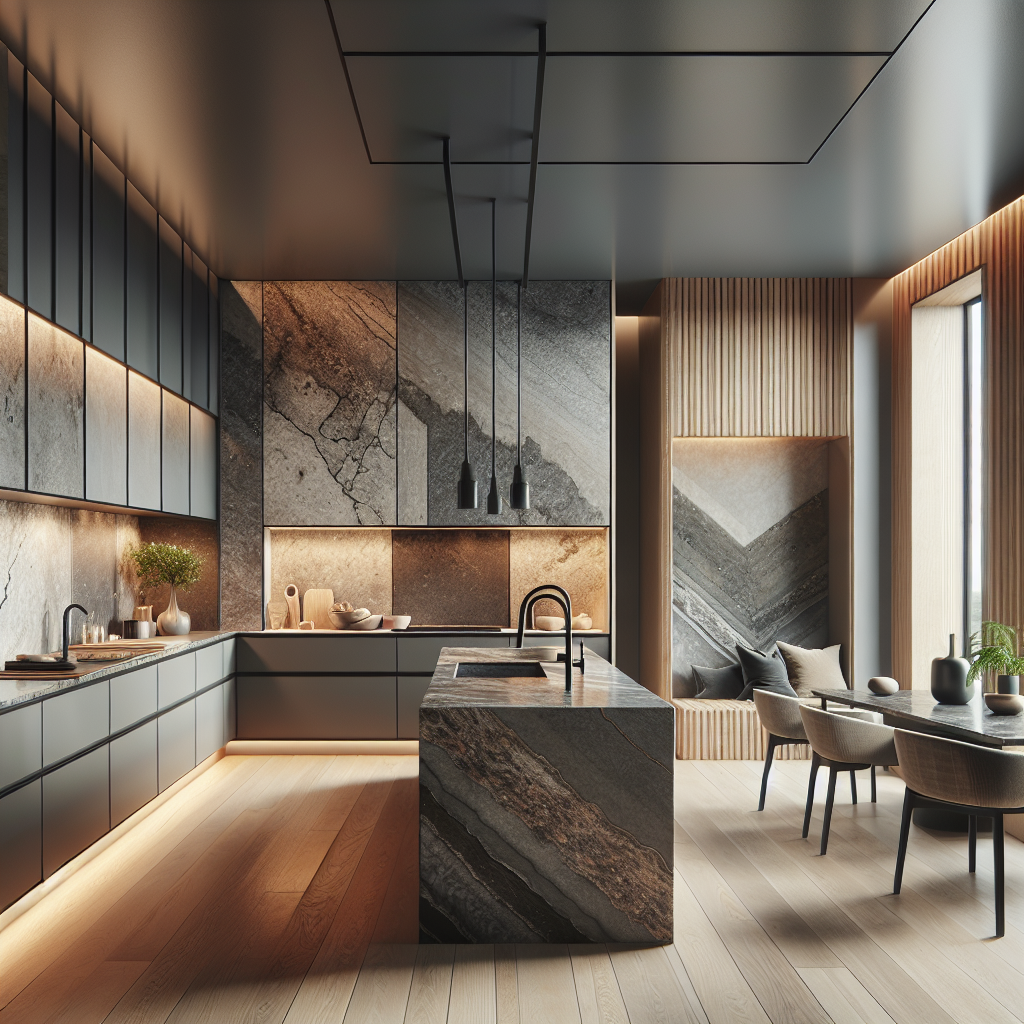
Dekton surfaces are celebrated for their remarkable characteristics, making them a popular choice for various applications. Here are some of the key features that set Dekton apart:
- Durability: Dekton is engineered to resist scratches, stains, and impact, ensuring that it maintains its pristine appearance even in high-traffic areas.
- Heat Resistance: This material can withstand extreme temperatures, making it safe for use around hot cookware without the risk of damage.
- Non-Porous Surface: Being non-porous means that Dekton does not absorb liquids, making it highly resistant to spills and stains, which is a significant advantage for kitchen countertops.
- UV Resistance: Dekton is designed to resist fading and discoloration from UV exposure, making it an excellent choice for outdoor installations.
- Variety of Designs: Available in a multitude of colors and finishes, Dekton can mimic the look of natural stone, wood, or even concrete, providing designers with endless possibilities.
With these exceptional properties, Dekton not only enhances the aesthetics of any space but also ensures long-lasting performance. Its adaptability to various design styles makes it a versatile option for both residential and commercial projects.
Exploring the Features of Vulcan Material
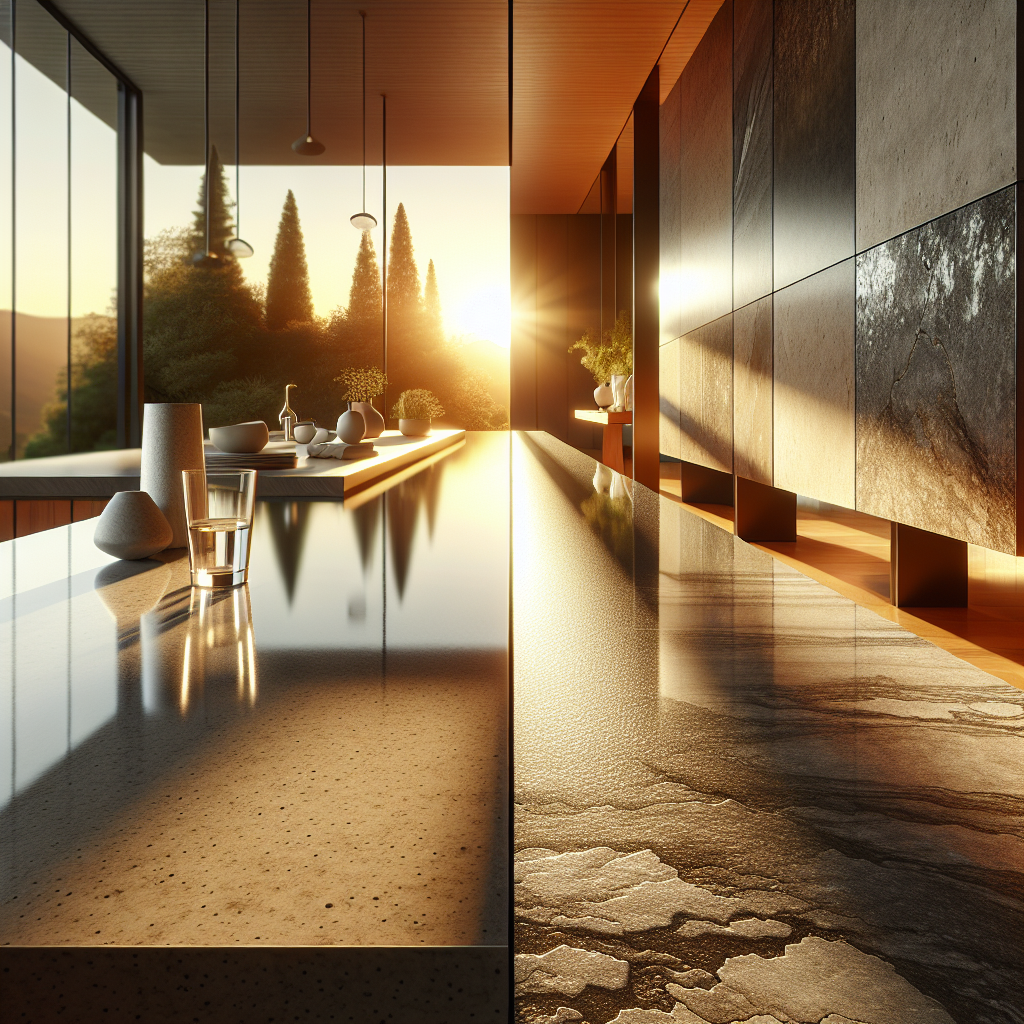
Vulcan material is gaining traction in the world of surface materials due to its unique attributes. Understanding these features can help you determine if it meets your project needs. Here’s a closer look at what Vulcan has to offer:
- Enhanced Strength: Vulcan is designed with advanced technology that provides superior strength and durability, making it highly resistant to chips and cracks.
- Thermal Stability: This material can endure extreme temperatures, making it suitable for use in kitchens and other environments where heat exposure is common.
- Low Maintenance: Vulcan surfaces are easy to clean and do not require sealing, which simplifies upkeep and ensures a consistently beautiful appearance.
- Eco-Friendly Composition: Made from sustainable materials, Vulcan is an environmentally friendly choice that appeals to those looking to reduce their carbon footprint.
- Wide Color Palette: Vulcan offers a diverse range of colors and textures, allowing designers to create customized solutions that fit various aesthetics.
These features make Vulcan a compelling option for both residential and commercial applications, providing both beauty and functionality. Whether you are renovating a kitchen or designing a commercial space, Vulcan material can effectively meet your requirements.
Comparative Analysis of Dekton and Vulcan
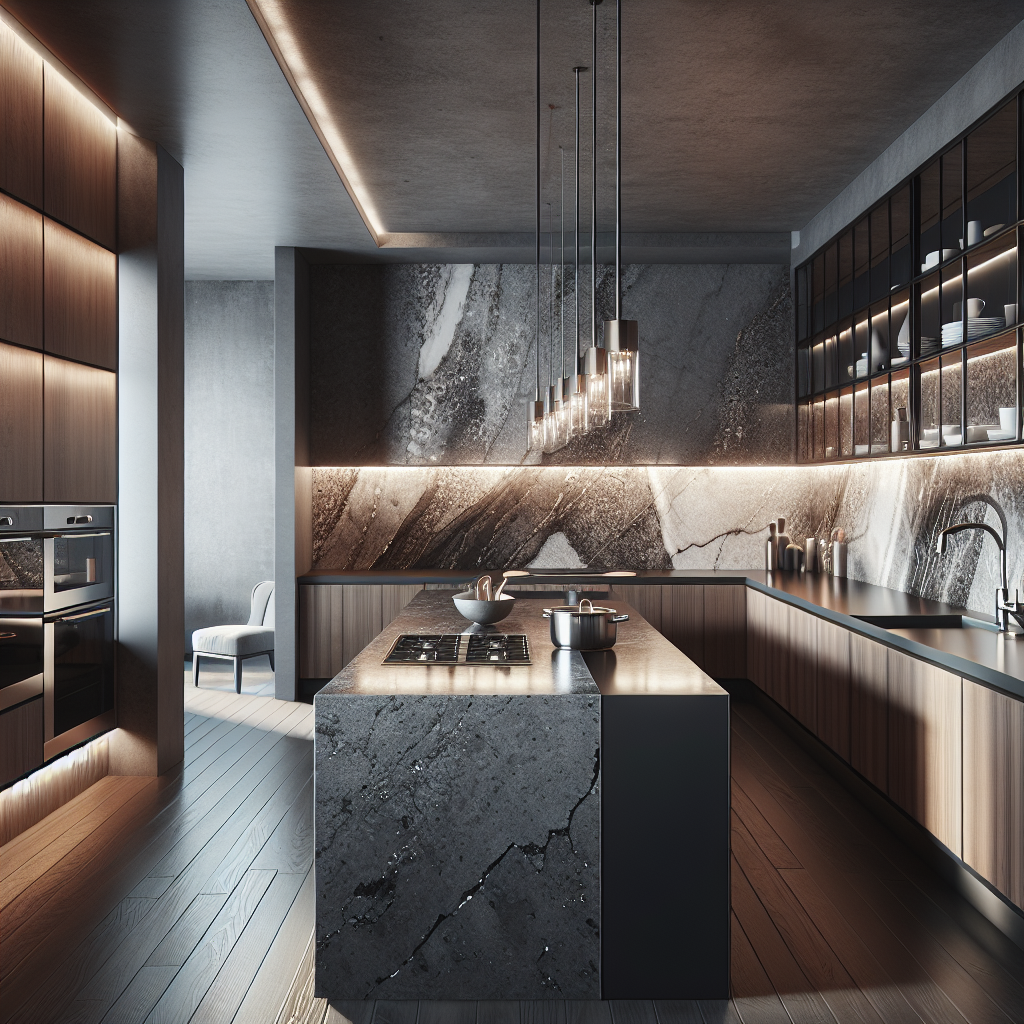
When it comes to choosing between Dekton and Vulcan, a detailed comparative analysis is essential to understand which material best suits your project. Both materials have unique characteristics, but they also share some similarities. Here’s a breakdown:
- Composition: Dekton is a blend of raw materials, including glass, porcelain, and quartz, which are subjected to high pressure and temperature. In contrast, Vulcan is engineered with a focus on sustainability, using eco-friendly materials.
- Durability: Both materials are known for their durability; however, Dekton is generally regarded as slightly more resistant to scratches and stains due to its dense surface structure. Vulcan, while durable, may require more care in high-impact areas.
- Heat Resistance: Dekton excels in heat resistance, capable of withstanding temperatures up to 1,000 degrees Celsius without damage. Vulcan also offers good heat resistance, but it may not match the extreme limits of Dekton.
- Design Versatility: Both options provide a wide range of colors and finishes. Dekton often has a more uniform appearance, while Vulcan offers a unique aesthetic with its varied textures, appealing to those who desire a more natural look.
- Installation: Dekton is heavier, which can complicate installation, whereas Vulcan is lighter and can be easier to work with, making it a favorable choice for some projects.
This comparative analysis highlights that while both Dekton and Vulcan have their strengths, the right choice ultimately depends on your specific needs and project requirements. Each material brings distinct advantages that cater to different styles and functionalities.
Pros and Cons of Dekton vs Vulcan
Choosing between Dekton and Vulcan involves weighing their pros and cons. Understanding these aspects will help you make an informed decision suited to your project requirements.
Pros of Dekton:
- Exceptional Durability: Dekton is highly resistant to scratches, stains, and heat, making it an excellent choice for busy kitchens and high-traffic areas.
- Low Maintenance: Thanks to its non-porous surface, Dekton is easy to clean and does not require sealing, saving you time and effort.
- Design Flexibility: Available in a wide range of colors and finishes, Dekton can fit various design aesthetics, from modern to traditional.
Cons of Dekton:
- Weight: Being heavier than many other materials can complicate transportation and installation.
- Cost: Dekton tends to be on the higher end of the price spectrum, which may not fit every budget.
Pros of Vulcan:
- Sustainability: Vulcan is engineered with eco-friendly materials, making it an attractive option for environmentally conscious consumers.
- Unique Aesthetics: The natural textures and colors of Vulcan can provide a distinctive look that adds character to any space.
- Lightweight: Vulcan’s lighter weight can make it easier to handle during installation, reducing labor costs.
Cons of Vulcan:
- Less Heat Resistance: While it can withstand moderate temperatures, Vulcan may not perform as well as Dekton in extreme heat conditions.
- Care Requirements: Vulcan may require more frequent maintenance and care to preserve its appearance, especially in high-traffic areas.
By carefully considering these pros and cons, you can better assess which material aligns with your needs, whether for a residential or commercial project.
Final Verdict: Choosing Between Dekton and Vulcan
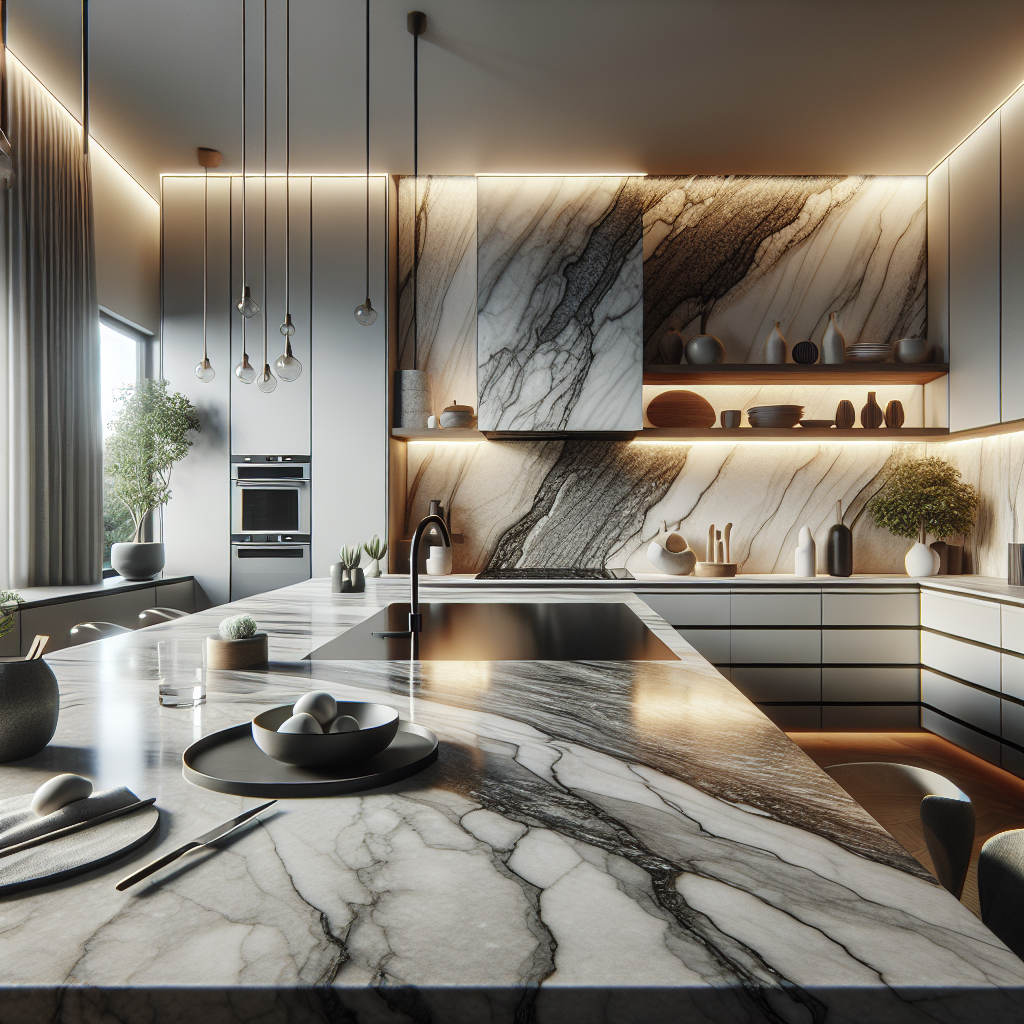
When it comes to deciding between Dekton and Vulcan, the choice ultimately hinges on your specific needs and preferences. Both materials offer distinct advantages, making them suitable for different applications.
If you prioritize durability and low maintenance, Dekton stands out as a top contender. Its resistance to scratches, stains, and heat makes it ideal for busy kitchens and high-traffic areas. However, if you lean towards a more sustainable option with unique aesthetics, Vulcan could be the perfect fit. Its eco-friendly composition and distinctive natural textures can elevate the design of any space.
Consider factors such as your budget, desired maintenance level, and design vision when making your selection. Ultimately, the right choice will not only enhance the functionality of your project but also contribute to a cohesive and visually appealing environment.
For personalized guidance and to explore our extensive selection of premium stone slabs, call us today to schedule an appointment: (561) 810-8586 in Boynton Beach or (954) 984-7007 in Pompano Beach.