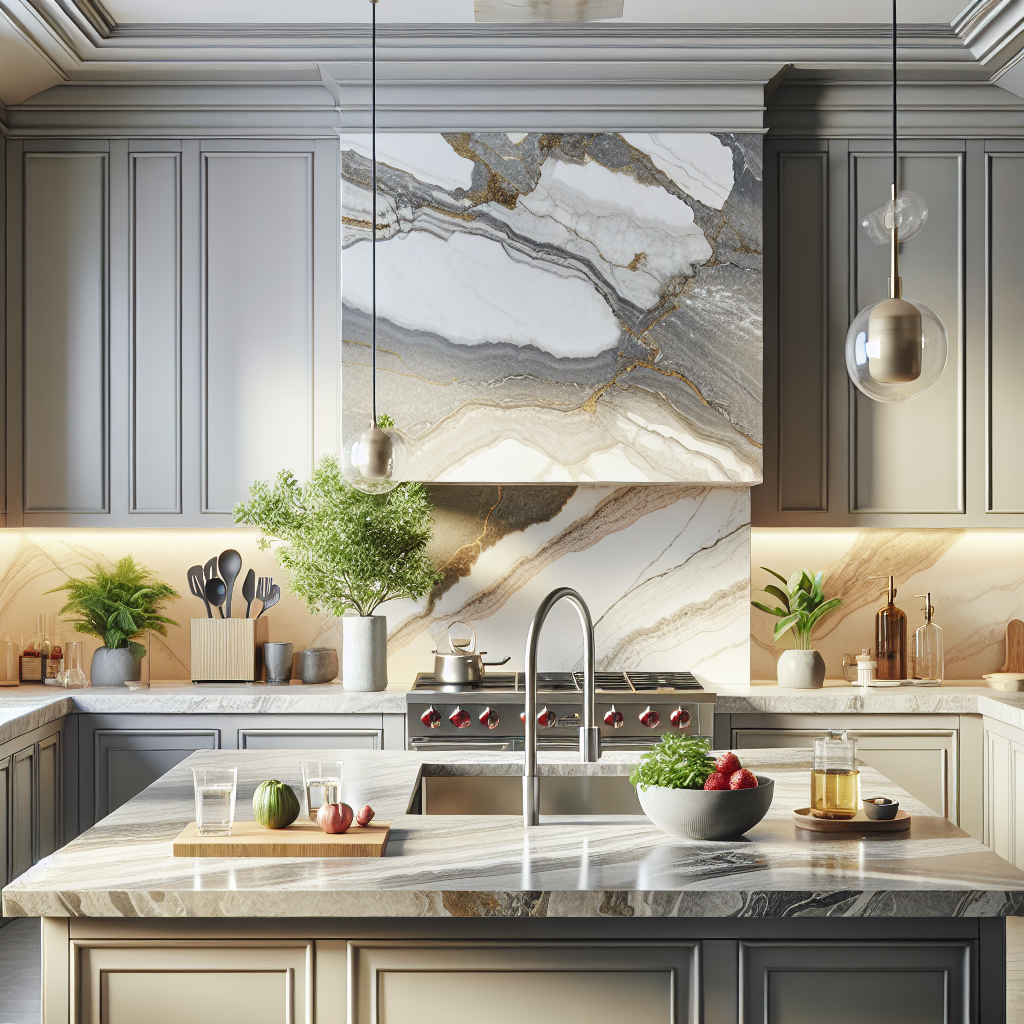


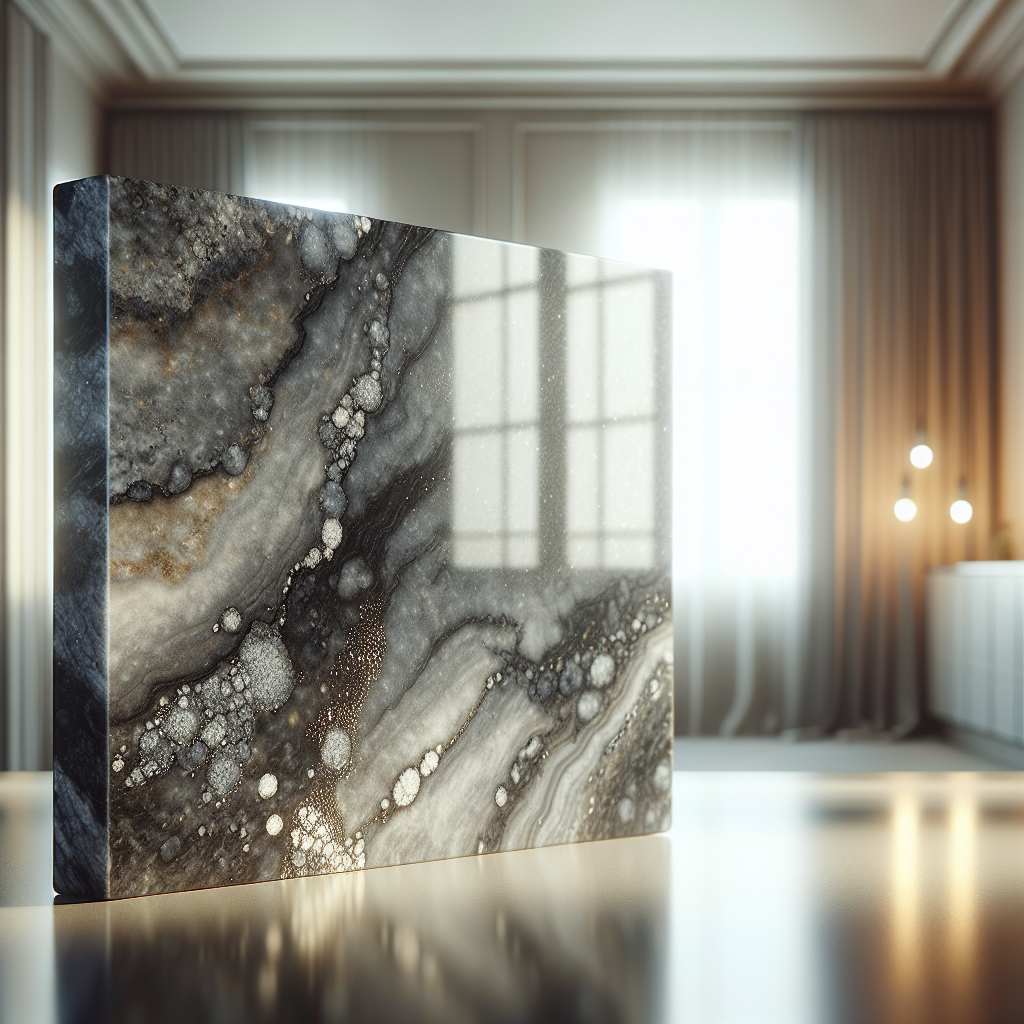
When considering how flat is granite, it’s essential to understand that granite is a natural stone formed over millions of years through the slow crystallization of magma beneath the Earth’s surface. This geological process results in a material that is not only visually appealing but also remarkably durable. However, the natural formation of granite can lead to slight variations in flatness across different slabs.
Granite is typically polished to achieve a smooth finish, enhancing its beauty and making it suitable for various applications, including kitchen countertops and bathroom vanity tops. Yet, due to its natural origin, one may find minor imperfections or undulations in the surface. The degree of flatness can vary based on a range of factors, including:
- Quality of the Slab: Higher-quality granite is often more uniform in thickness and surface flatness.
- Fabrication Process: Skilled professionals ensure that the granite is cut and polished to meet specific standards, which can enhance flatness.
- Installation Techniques: Proper installation is crucial to achieving a flat surface, as uneven substructures can impact the final appearance.
While granite is naturally a strong and flat material, it’s important to choose a reputable supplier like BR Stone to ensure you receive a premium product. Call Us Today to Schedule an Appointment: (561) 810-8586 in Boynton Beach (954) 984-7007 in Pompano Beach to explore our extensive selection of granite slabs and find the perfect fit for your home.
Factors Influencing the Flatness of Granite Slabs
The flatness of granite slabs is influenced by several key factors that originate from both the natural characteristics of the stone and the processes involved in its manufacturing and installation. Understanding these factors can help homeowners and designers make informed decisions when selecting granite for their projects.
1. Geological Variations: Granite is a natural stone, and its formation is subject to the geological conditions of the environment where it was created. Variations in mineral composition and cooling rates of magma can lead to inconsistencies in density and structure, influencing how flat each slab is.
2. Quarrying Techniques: The methods used during the quarrying process can impact the overall quality and flatness of granite slabs. If the stone is not extracted carefully, it may result in cracks or warps that compromise the slab’s flatness.
3. Cutting and Finishing: Precision in cutting and finishing is crucial. Advanced machinery and skilled craftsmen can create slabs that meet strict flatness tolerances. Any misalignment during these stages can lead to uneven surfaces.
4. Environmental Factors: Changes in temperature and humidity can affect granite’s physical properties. When exposed to extreme conditions, even a naturally flat slab may experience minor warping.
5. Installation Practices: The way granite is installed can also affect its flatness. An uneven subfloor or incorrect leveling can lead to noticeable dips or rises in the surface, making it vital to have professional installation.
By considering these factors, homeowners can better understand the nuances of granite and select high-quality slabs that will enhance the beauty and functionality of their spaces.
Measuring the Flatness of Granite for Countertops
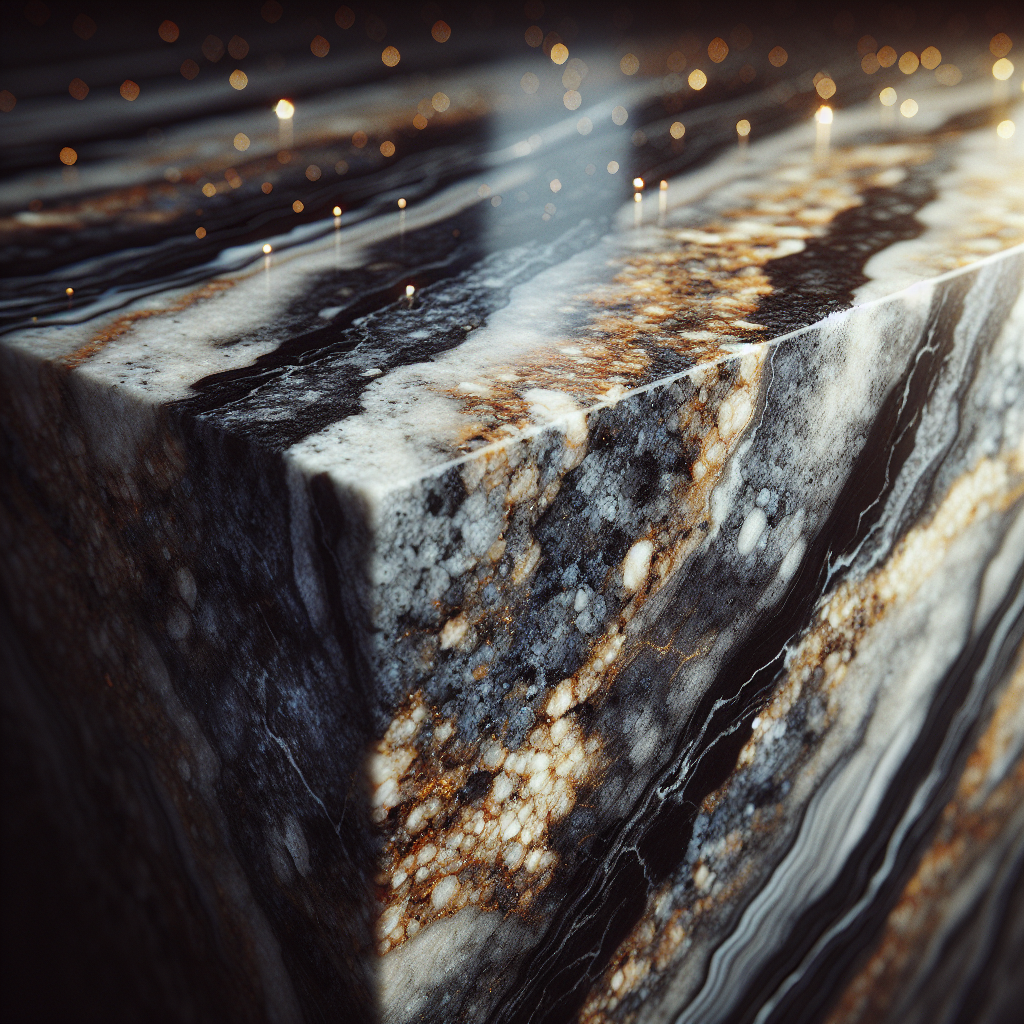
When it comes to installing granite countertops, ensuring that the surface is truly flat is essential for both aesthetic appeal and functional performance. Measuring the flatness of granite slabs is a critical step in the selection and installation process. Here are the most effective methods for assessing the flatness of granite:
1. Straightedge Method: One of the simplest ways to check flatness is by using a straightedge. This involves placing a long, straight object, such as a metal ruler or level, across the surface of the granite. Gaps between the straightedge and the granite indicate areas of unevenness, which can be measured with a feeler gauge.
2. Leveling Tools: A high-quality level can also be used to check for flatness. By placing the level on various sections of the granite, you can determine if there are any dips or rises in the surface. A level will indicate whether the granite is perfectly horizontal or if shimming will be required during installation.
3. Optical Surveying Tools: For a more precise measurement, optical surveying tools such as laser levels or digital inclinometers can be employed. These devices provide accurate readings of the surface elevation, revealing minute discrepancies that the naked eye may overlook.
4. Tolerance Standards: Industry standards dictate acceptable tolerances for flatness in granite countertops, typically ranging from 1/16 to 1/8 inch over a 10-foot span. Understanding these standards helps in evaluating whether a slab meets the necessary criteria for installation.
By accurately measuring the flatness of granite, homeowners and contractors can ensure that their countertops not only look stunning but also function perfectly, providing a durable and reliable surface for everyday use.
How Granite Flatness Affects Installation Quality
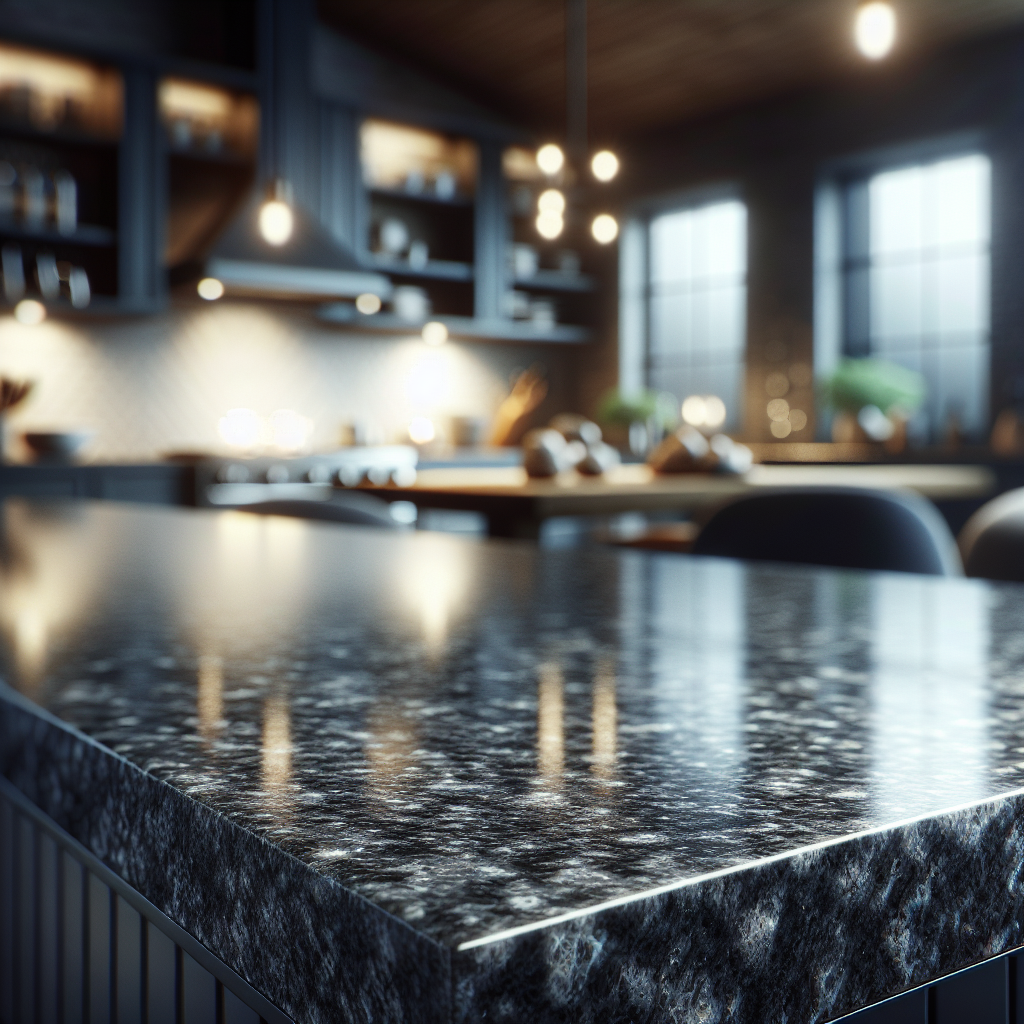
The flatness of granite plays a pivotal role in determining the overall quality of installation for countertops. A slab that is not adequately flat can lead to various complications that affect both the appearance and functionality of the surface. Here are some key ways in which granite flatness impacts installation quality:
1. Seam Alignment: When multiple slabs are used, achieving seamless alignment is essential for a cohesive look. If the granite pieces are not flat, it may result in uneven seams that can be visually unappealing and create gaps where dirt and moisture can accumulate.
2. Stability and Durability: Uneven surfaces can lead to stress points on the granite, increasing the likelihood of cracking or chipping over time. A properly flat surface distributes weight evenly, ensuring that the countertop remains stable and durable under everyday use.
3. Sink and Appliance Installation: The flatness of the countertop is especially critical when installing sinks and appliances. An uneven surface can prevent proper sealing, leading to leaks and water damage. It can also make it challenging to install appliances flush with the countertop, resulting in a less polished appearance.
4. Aesthetic Appeal: A flat granite surface enhances the overall visual appeal of the kitchen or bathroom. Unevenness can create shadows and distort reflections, detracting from the beauty of the natural stone. This becomes particularly noticeable with polished granite, where imperfections can be magnified.
Ensuring that granite slabs are flat before installation is crucial in avoiding these issues. Homeowners and contractors alike should prioritize flatness measurements to guarantee a quality finish that meets both aesthetic and functional demands.
Comparing Granite to Other Stone Variations

When considering materials for countertops, granite often stands out due to its unique characteristics and aesthetic appeal. However, it is essential to compare granite to other stone variations to appreciate its advantages fully. Here’s how granite stacks up against some popular alternatives:
1. Marble: While marble offers stunning beauty with its intricate veining and classic elegance, it is generally more porous than granite. This porosity makes marble more susceptible to staining and scratching, especially in high-traffic areas like kitchens. Granite, on the other hand, is more resistant to these issues, making it a practical choice for busy households.
2. Quartz: Engineered quartz is a popular alternative known for its consistency in color and pattern. Unlike granite, which is a natural stone, quartz is made from crushed stone and resin. While quartz is non-porous and offers excellent durability, it lacks the unique veining and natural beauty that granite provides. Additionally, granite is more heat-resistant, making it better suited for hot cookware.
3. Soapstone: Soapstone is known for its softness and heat resistance, making it a suitable option for those who frequently work with hot pots and pans. However, it is more prone to scratches and dents compared to granite. Granite’s superior hardness makes it a better option for those seeking a low-maintenance surface.
4. Limestone: Limestone has a rustic charm with its soft colors and textures, but it is much more porous and softer than granite. This means it can easily absorb stains and may require more frequent sealing and maintenance. Granite’s durability makes it a more practical choice, especially in kitchens.
In summary, while each stone variation has its unique appeal, granite remains a top choice for homeowners seeking a balance of beauty, durability, and low maintenance. Its natural elegance combined with robust performance makes it a standout option for any space.
The Importance of Professional Installation for Flat Granite
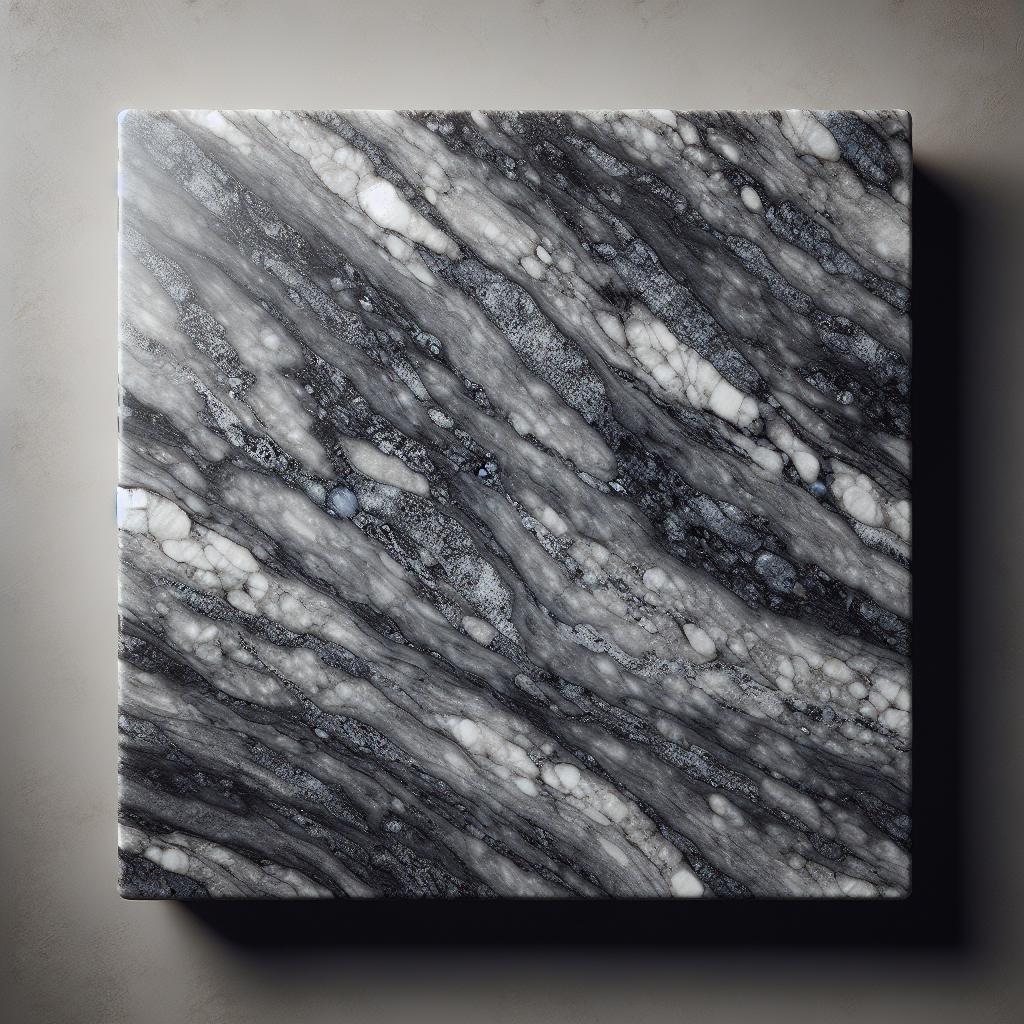
When it comes to granite countertops, achieving a flawless, flat surface is crucial for both functionality and aesthetics. While granite is renowned for its beauty and durability, the importance of professional installation cannot be overstated. Here are several reasons why enlisting the help of skilled professionals is essential for your granite installation:
1. Precision Measurement: Professional installers are trained to take precise measurements to ensure that the granite fits perfectly within your designated space. Inaccurate measurements can lead to unsightly gaps or overhangs, compromising the overall look and functionality.
2. Proper Leveling: A flat surface is vital not only for appearance but also for functionality. Professional installers use specialized equipment to ensure that the granite is level, preventing water pooling and potential damage over time.
3. Seamless Integration: If your design requires multiple pieces of granite, expert installers can create near-invisible seams, making the countertop look like a single slab. This seamless integration enhances the beauty and durability of your installation.
4. Guaranteed Safety: Granite slabs can be heavy and unwieldy. Professionals have the tools and experience necessary to handle, transport, and install these slabs safely, reducing the risk of injury or damage to your home.
5. Expert Finishing Touches: A professional installation includes finishing touches such as caulking and polishing, which not only enhance the beauty of your countertops but also protect them from moisture and stains.
For the best results in achieving a stunning and functional granite surface, it’s crucial to invest in professional installation. Call Us Today to Schedule an Appointment: (561) 810-8586 in Boynton Beach (954) 984-7007 in Pompano Beach