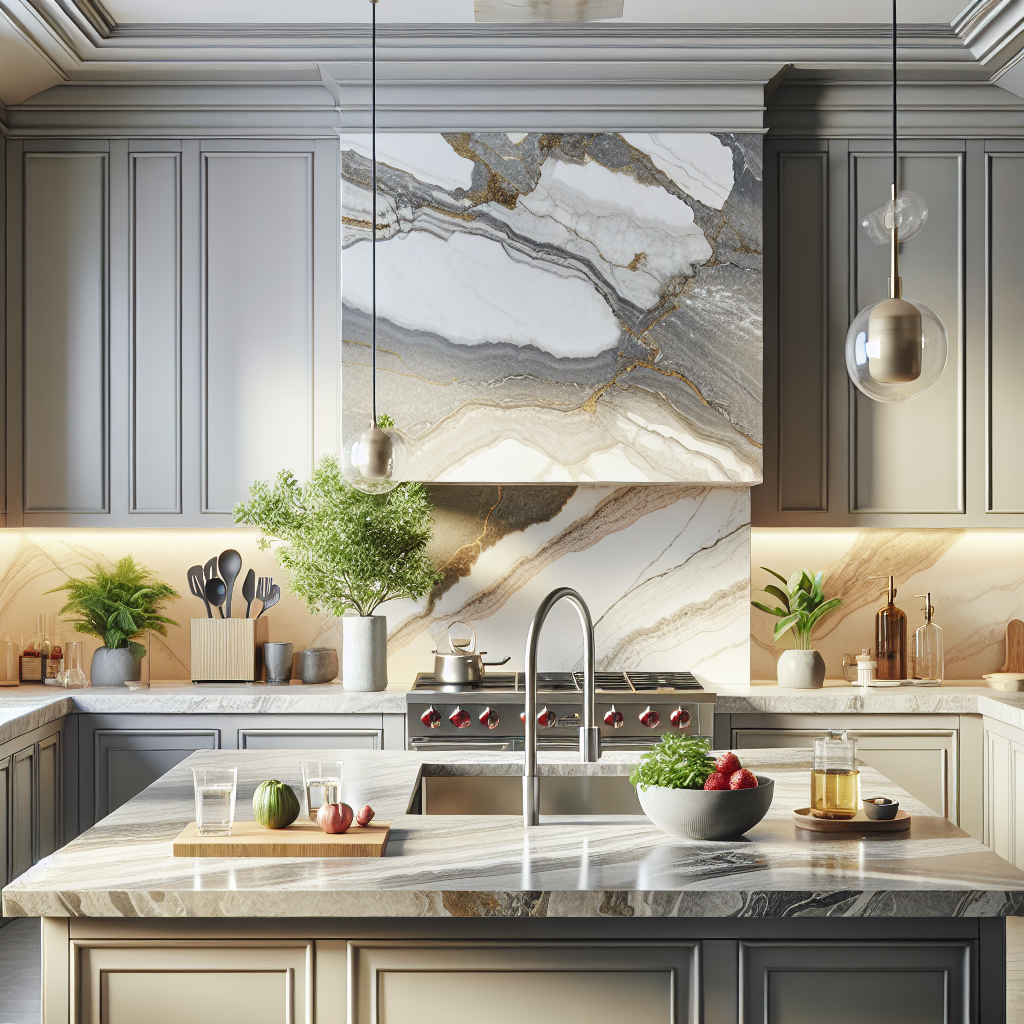


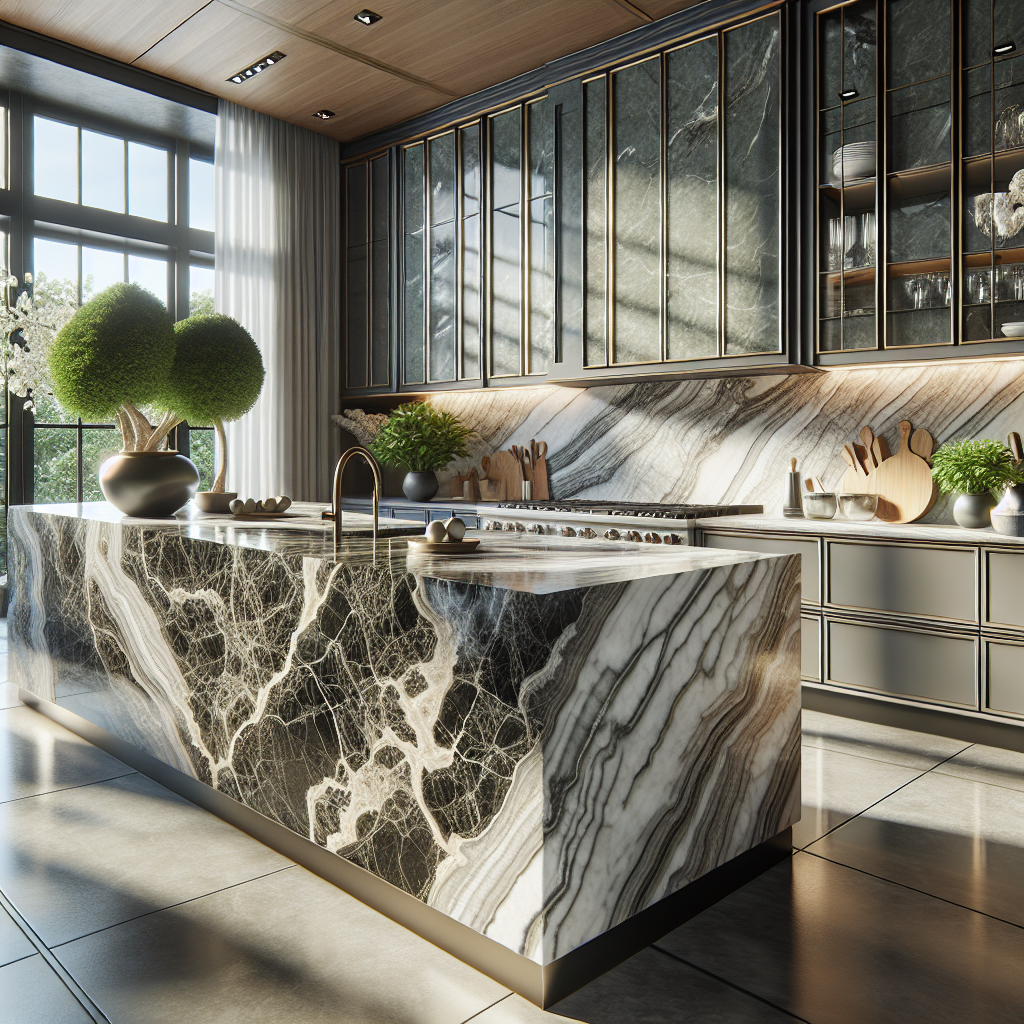
When considering home renovations, one of the critical decisions homeowners face is selecting the right materials for their surfaces, particularly for countertops. Quartzite countertops have gained immense popularity due to their stunning appearance and durability. They are often mistaken for quartz, but quartzite is a natural stone formed from sandstone and quartz under extreme heat and pressure, giving it unique characteristics that set it apart.
As you explore the world of countertops, it is essential to understand the pricing structure associated with quartzite. The question that often arises is: are quartzite countertops expensive? The answer is multifaceted and depends on various factors, including the source of the stone, the complexity of the installation, and the overall demand in the market.
Typically, quartzite falls into the higher price range of natural stones, but many homeowners find the investment worthwhile due to its resilience, low maintenance needs, and aesthetic appeal. When considering quartzite for your kitchen or bathroom, it’s important to weigh these aspects against your budget and design preferences.
Call Us Today to Schedule an Appointment: (561) 810-8586 in Boynton Beach (954) 984-7007 in Pompano Beach
Factors Influencing Quartzite Countertop Costs
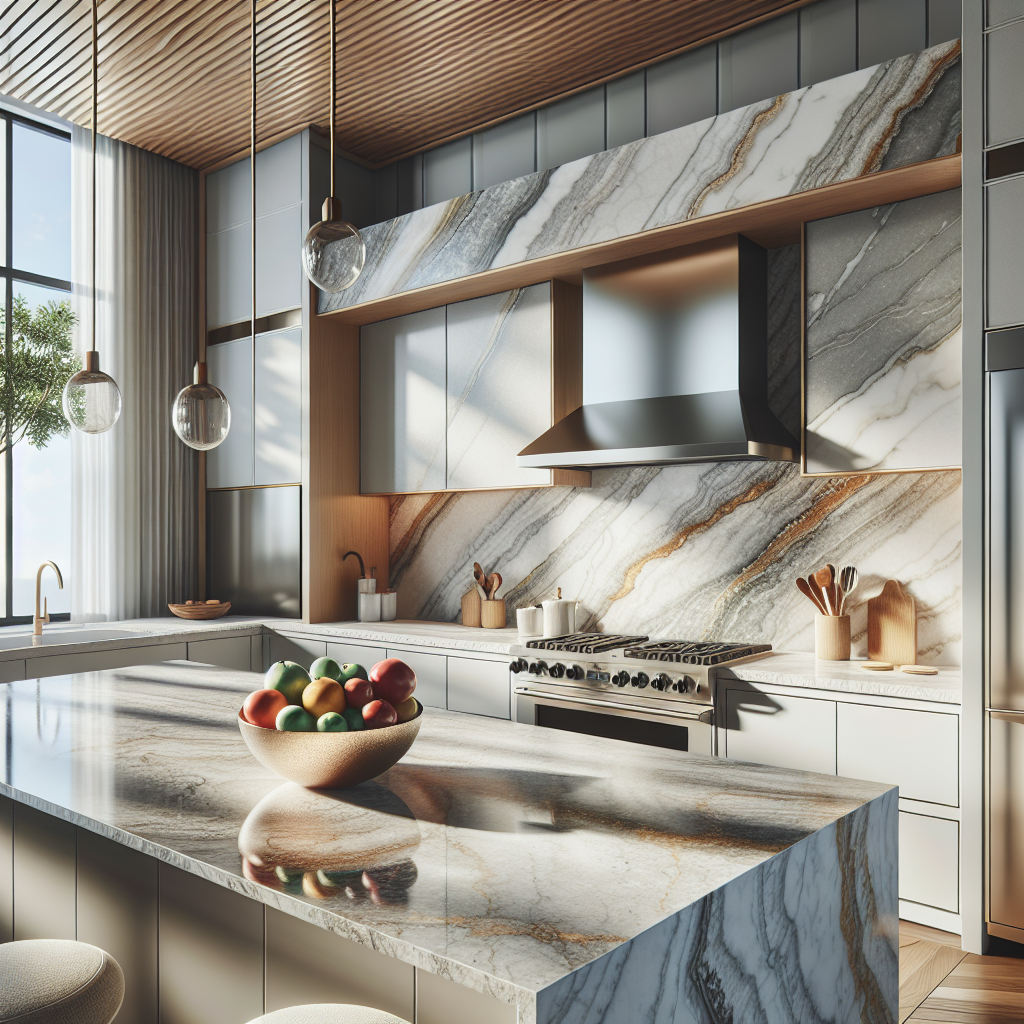
Understanding the costs associated with quartzite countertops involves examining several key factors that can significantly influence pricing. Here are some of the primary elements that contribute to the overall cost:
- Quality of the Stone: The origin and quality of quartzite can vary widely. Higher-quality stones, often sourced from specific regions, command higher prices due to their rarity and aesthetic appeal.
- Thickness and Size: The dimensions of the quartzite slabs you choose will affect the price. Thicker slabs typically cost more, and larger sizes may incur additional charges for cutting and installation.
- Color and Pattern: Unique colors and intricate patterns can also drive up the cost. Exotic varieties that are harder to find usually come with a premium price tag.
- Fabrication and Installation: The complexity of the fabrication process and the installer’s expertise can add to the overall cost. Intricate designs or custom cuts may require more labor, thus increasing the price.
- Market Demand: Like any commodity, market demand fluctuates and can influence pricing. In times of high demand, prices may rise due to increased competition for premium slabs.
By considering these factors, you can better understand the costs associated with quartzite countertops and make an informed decision that fits your budget.
Comparing Quartzite to Other Countertop Materials
When evaluating whether quartzite countertops are the right choice for your home, it’s essential to compare them with other popular countertop materials. Each material has its own unique characteristics, advantages, and drawbacks:
- Granite: Granite is a natural stone that offers durability and a wide range of colors. While it is less expensive than quartzite, it isn’t as heat resistant, and it may require periodic sealing to prevent stains.
- Marble: Known for its luxurious appearance, marble provides a classic aesthetic. However, it is softer than quartzite and can be more prone to scratches and etching from acidic substances, making it less practical for high-traffic areas.
- Quartz: Engineered quartz is a man-made product that combines natural stone with resin. It is non-porous and highly resistant to stains, making it easier to maintain than quartzite. However, quartz lacks the natural beauty and uniqueness of quartzite.
- Soapstone: Soapstone is heat resistant and has a distinct, soft feel. While it requires less maintenance than quartzite, it can be more susceptible to scratches and dents, requiring regular upkeep.
- Concrete: Concrete countertops can be customized in color and texture. They offer a modern aesthetic but are prone to cracking and require sealing to protect against stains.
Ultimately, the choice between quartzite and other materials will depend on your specific needs, aesthetic preferences, and budget. Each option has its unique benefits, making it crucial to evaluate them based on your lifestyle and the demands of your space.
Benefits of Investing in Quartzite Countertops
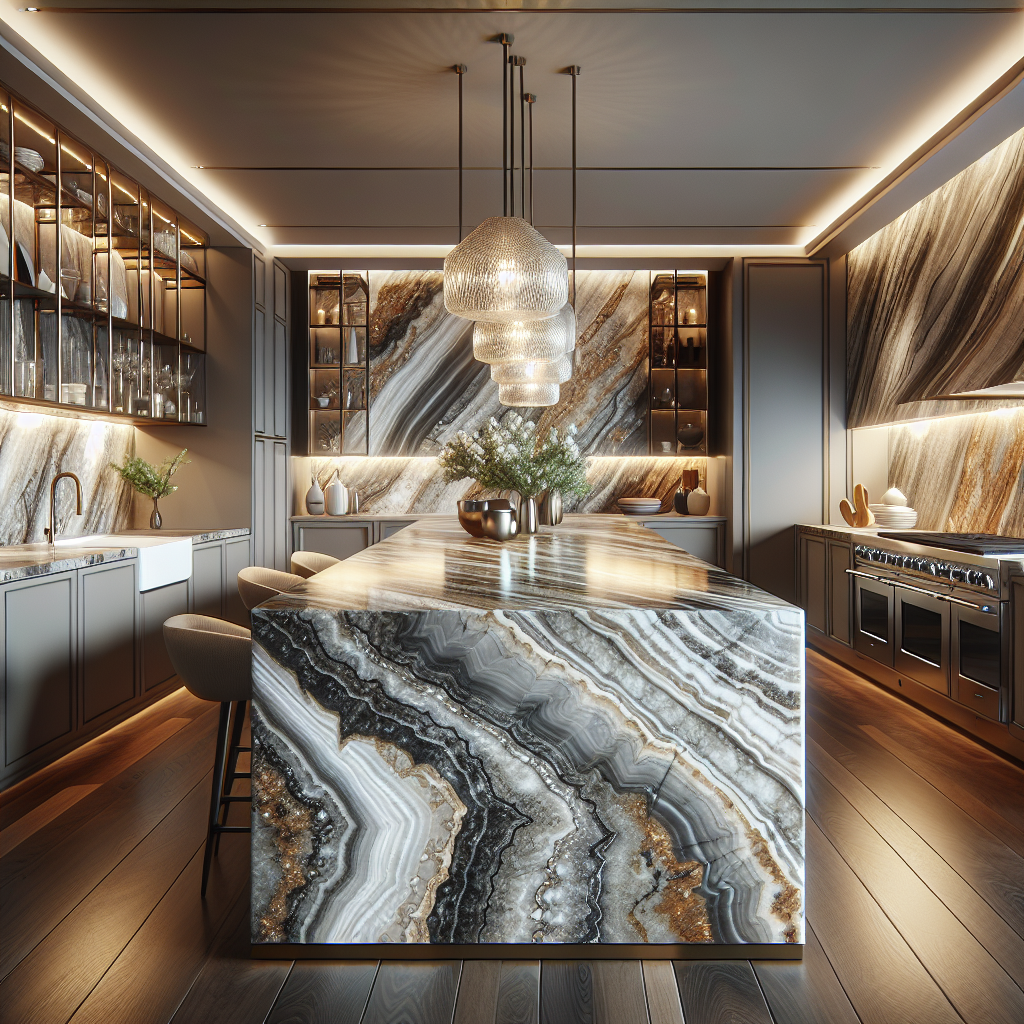
Choosing quartzite countertops for your home can yield numerous benefits that make them a worthwhile investment. Here are some of the standout advantages:
- Durability: Quartzite is incredibly hard and robust, making it resistant to scratches, chips, and other common wear and tear. This durability ensures that your countertops will remain beautiful for years to come.
- Heat Resistance: Unlike some other countertop materials, quartzite can withstand high temperatures, making it an excellent choice for kitchens where hot pots and pans are frequently used.
- Unique Aesthetics: Each slab of quartzite is unique, featuring beautiful veining and colors that can elevate the design of any space. This natural beauty adds a touch of elegance and sophistication to your home.
- Low Maintenance: Quartzite is relatively easy to maintain. With proper sealing, it is resistant to staining and does not require the same level of upkeep as materials like marble.
- Increased Home Value: Investing in high-quality countertops like quartzite can enhance your home’s value. Potential buyers often look for premium materials in kitchens and bathrooms, making quartzite a smart investment.
With these benefits in mind, quartzite countertops not only provide functionality and beauty but also contribute to a long-term investment in your home’s aesthetic and market value.
Long-Term Value of Quartzite Countertops
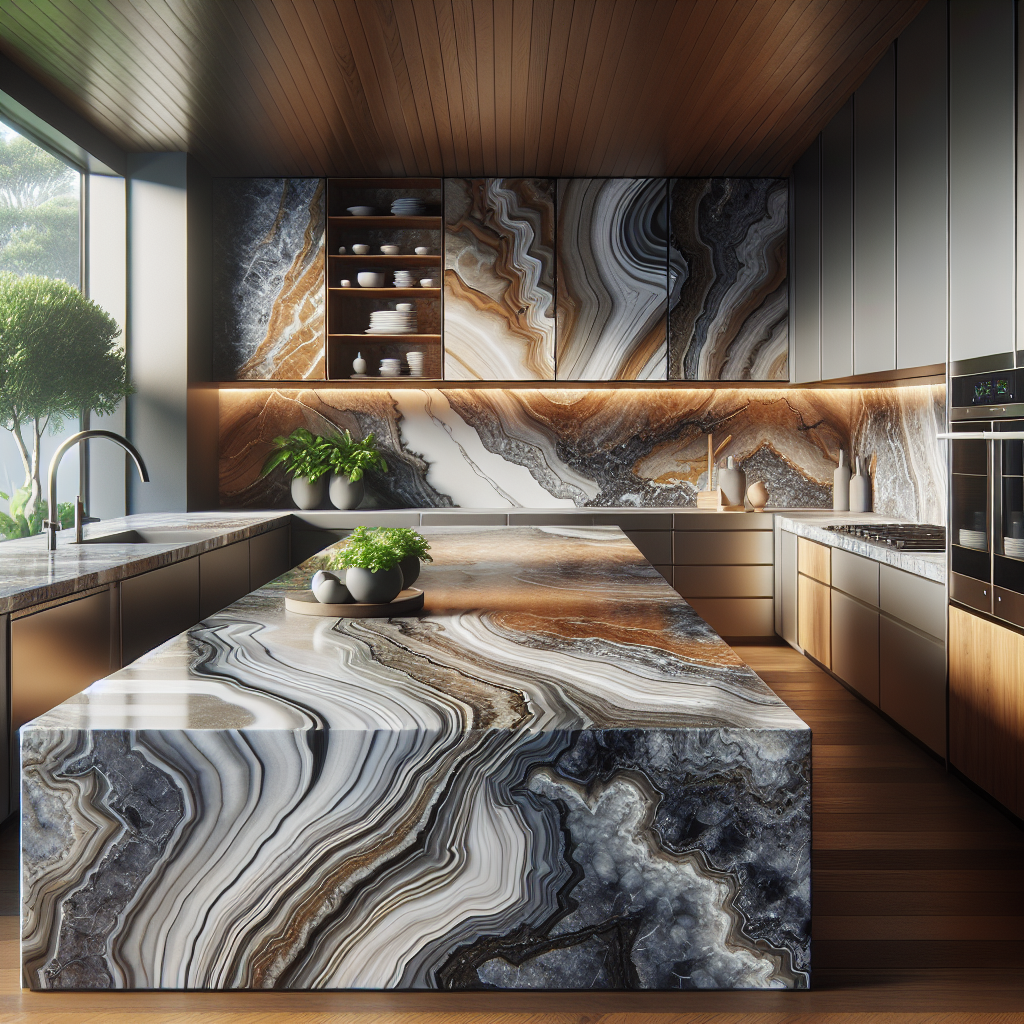
When considering whether to invest in quartzite countertops, understanding their long-term value is crucial. While the initial cost may be higher than some alternatives, the benefits and durability of quartzite often outweigh the expense over time.
Firstly, quartzite is known for its exceptional lifespan. Unlike cheaper materials that may require frequent replacements or repairs, quartzite can last for decades with minimal maintenance. This longevity makes it a cost-effective option in the long run.
Moreover, the resale value of homes with quartzite countertops tends to be higher. Potential buyers are often willing to pay a premium for properties that feature high-quality materials. Investing in quartzite can therefore significantly enhance your property’s market appeal.
Additionally, the low maintenance nature of quartzite means that homeowners save on upkeep costs. Sealing the surface is generally all that’s required to keep it looking pristine, which reduces the need for expensive cleaning products or professional services.
In conclusion, the long-term value of quartzite countertops stems not only from their durability and aesthetic appeal but also from their potential to enhance your home’s value and reduce maintenance costs. By choosing quartzite, you are making a smart investment that pays off over time.
Conclusion: Are Quartzite Countertops Worth the Price
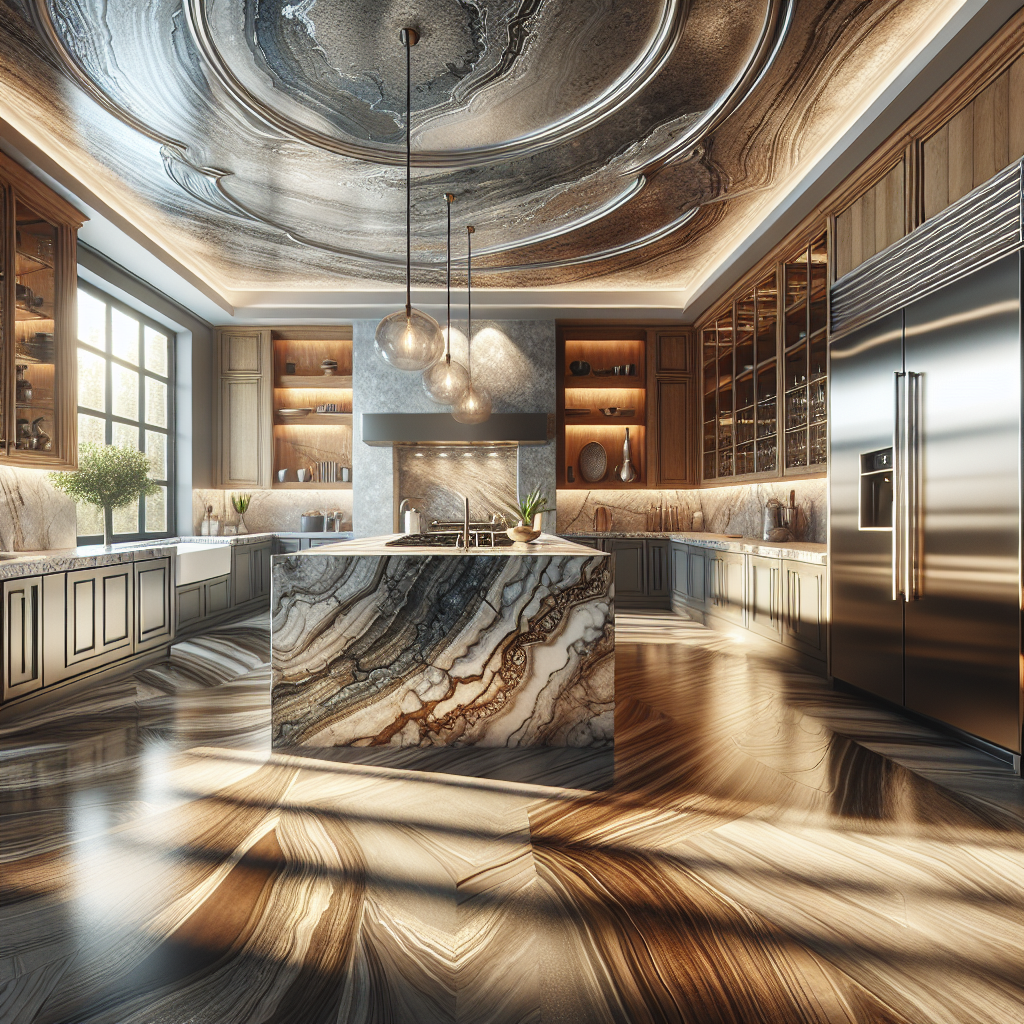
In evaluating whether quartzite countertops are worth the price, it’s essential to consider the numerous advantages they offer. While the upfront investment may be significant, the combination of durability, low maintenance, and aesthetic appeal makes quartzite a compelling choice for both residential and commercial spaces.
Quartzite’s natural beauty and unique patterns can elevate the design of any kitchen or bathroom, creating a luxurious atmosphere that many homeowners seek. Moreover, their resilience against heat and scratches adds to their practicality, making them suitable for high-traffic areas.
Ultimately, the decision comes down to balancing your budget with your design aspirations and long-term value expectations. If you’re looking for a material that not only looks stunning but also stands the test of time, quartzite countertops may indeed be worth the investment.
For those considering a home renovation or new build, we encourage you to explore the exceptional options available at BR Stone. Call Us Today to Schedule an Appointment: (561) 810-8586 in Boynton Beach or (954) 984-7007 in Pompano Beach.