



Quartz countertops are renowned for their durability and elegance, making them a popular choice for modern kitchens and bathrooms. However, like any other surface, they are not entirely immune to staining. While quartz is a non-porous material, meaning it does not absorb liquids as easily as natural stones like marble or granite, certain substances can still leave marks if not addressed promptly.
Common culprits include coffee, tea, wine, and even some household cleaning products. Understanding the types of stains and how to effectively remove them can help maintain the pristine appearance of your quartz countertops. In this guide, we’ll explore various techniques and tips to keep your surfaces looking immaculate.
If you’re dealing with stubborn stains or need professional advice, don’t hesitate to call us today to schedule an appointment: (561) 810-8586 in Boynton Beach or (954) 984-7007 in Pompano Beach.
Common Causes of Quartz Countertop Stains
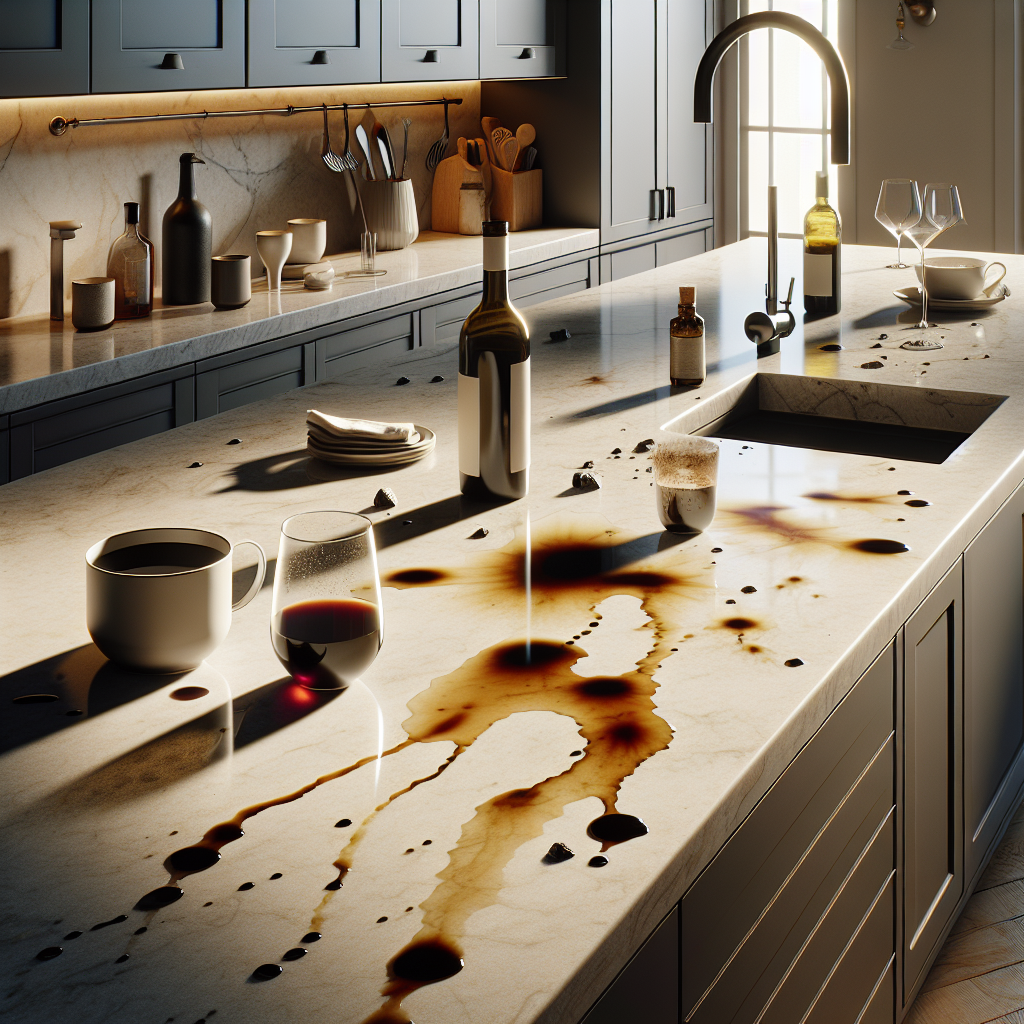
While quartz countertops are celebrated for their low-maintenance and resilience, several common substances can cause stains if not cleaned promptly. Knowing these potential hazards can help you avoid unsightly marks and keep your surfaces in top condition.
- Coffee and Tea: These popular beverages are notorious for leaving dark stains if spilled and not wiped up quickly.
- Red Wine: The deep color of red wine can seep into the surface, especially if left to sit for an extended period.
- Fruit Juices: Citrus and other fruit juices contain acids that can etch the surface and cause discoloration.
- Oil and Grease: Cooking oils, butter, and other greasy substances can leave stains if not cleaned immediately.
- Household Cleaners: Some cleaning products contain harsh chemicals that can damage the resin binders in quartz, leading to stains or dullness.
- Ink and Dye: Permanent markers, ink pens, and certain dyes can leave stubborn marks that are difficult to remove.
Avoiding prolonged contact with these substances and cleaning spills as soon as they occur can significantly reduce the risk of staining. In the following sections, we’ll discuss effective methods to tackle these stains and keep your quartz countertops looking pristine.
Effective Methods to Remove Stains
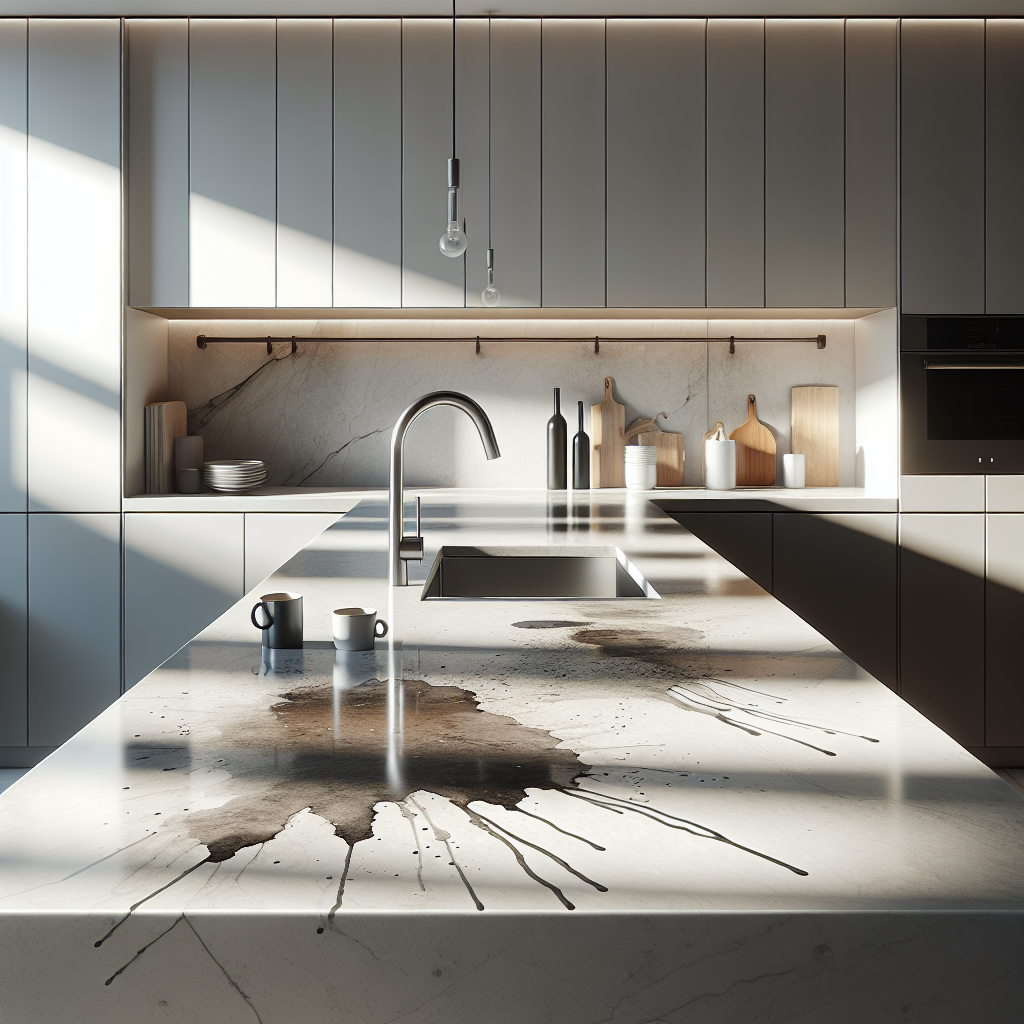
Removing stains from quartz countertops requires a combination of the right products and techniques. Here are some effective methods to tackle common stains:
- Soap and Water: For light stains, a mixture of mild dish soap and warm water can often do the trick. Use a soft cloth or sponge to gently scrub the stained area, then rinse with clean water and dry with a towel.
- Baking Soda Paste: For tougher stains, create a paste using baking soda and water. Apply the paste to the stain, let it sit for 10-15 minutes, and then scrub gently with a soft brush. Rinse thoroughly and dry.
- Vinegar Solution: Mix equal parts of white vinegar and water in a spray bottle. Spray the stain and let it sit for a few minutes before wiping clean with a soft cloth. This method works well for removing water spots and light mineral deposits.
- Isopropyl Alcohol: For ink or dye stains, dampen a cloth with isopropyl alcohol and gently rub the stain. Be sure to rinse the area with water afterward to remove any residue.
- Non-abrasive Cleaners: Specialized quartz countertop cleaners are available that are designed to remove stains without damaging the surface. Follow the manufacturer’s instructions for best results.
It’s important to note that abrasive cleaners or scrubbers should be avoided as they can damage the surface of your quartz countertops. Regular maintenance and prompt cleaning of spills can help keep your countertops looking their best. In the next section, we’ll explore preventative measures to minimize the risk of staining.
Recommended Cleaning Products for Quartz
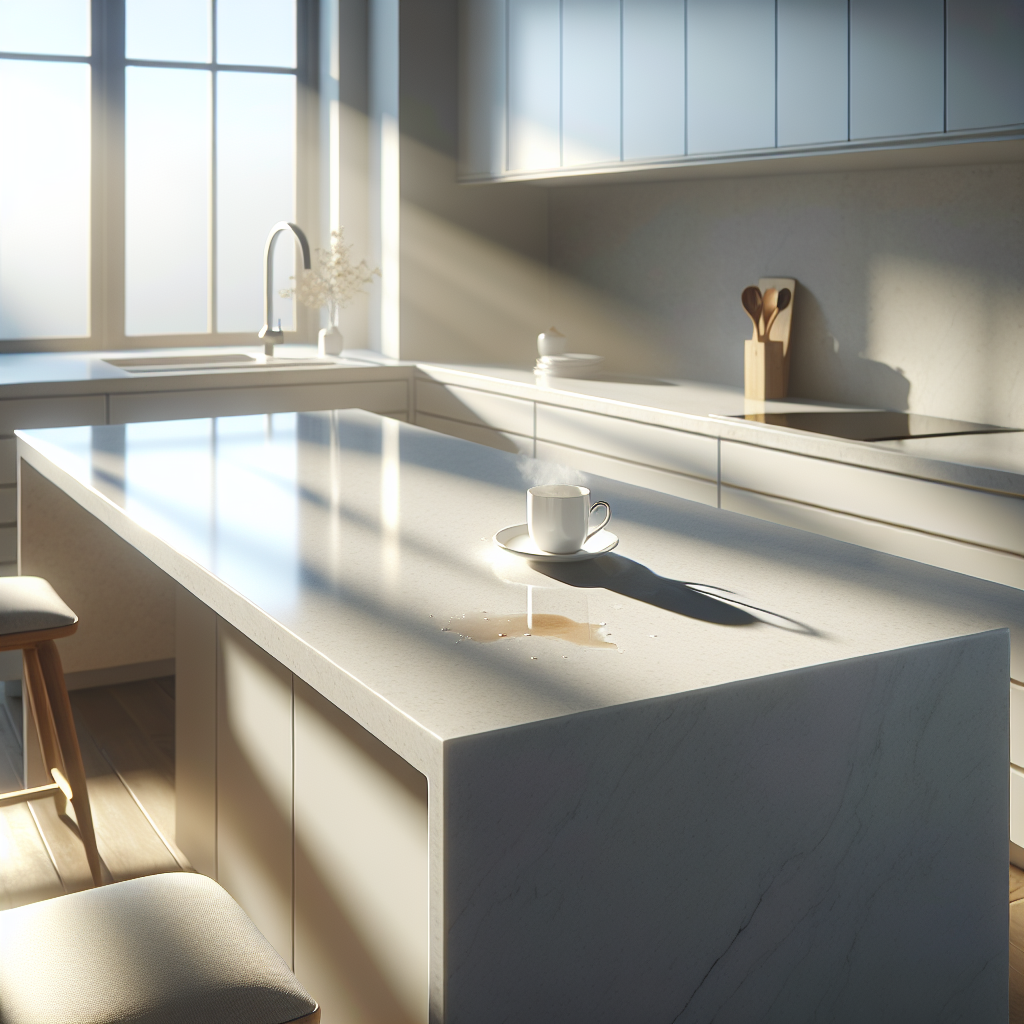
Maintaining the pristine appearance of your quartz countertops is easier with the use of the right cleaning products. Here are some recommended cleaning products that can help you keep your quartz surfaces spotless:
- pH-Balanced Cleaners: Products that are pH-balanced, such as Method Daily Granite Cleaner or Weiman Granite Cleaner & Polish, are ideal for everyday cleaning. These cleaners are gentle on the quartz surface and effective in removing daily grime.
- Non-Abrasive All-Purpose Cleaners: Cleaners like Soft Scrub Gel with Bleach or Bar Keepers Friend Soft Cleanser can be used for tougher stains. These non-abrasive formulas help in removing stubborn stains without scratching the quartz.
- Microfiber Cloths: Using microfiber cloths for wiping and cleaning ensures that the quartz surface is not scratched. Brands like Zwipes or AmazonBasics offer high-quality microfiber cloths that are perfect for this purpose.
- Isopropyl Alcohol: A solution of isopropyl alcohol and water (in a 1:1 ratio) is excellent for disinfecting and removing grease. It evaporates quickly and leaves no residue, making it a great option for regular cleaning.
- Stone-Specific Cleaners: Products specifically formulated for stone surfaces, such as Granite Gold Daily Cleaner or Stone Care International Granite & Stone Daily Cleaner, are highly recommended. These products are designed to protect and enhance the natural beauty of quartz.
It’s crucial to avoid using harsh chemicals, such as bleach, ammonia, or products with high acidity, as they can damage the quartz surface. Additionally, refrain from using abrasive scrubbers or pads that can scratch the surface. By choosing the right cleaning products, you can ensure that your quartz countertops remain in excellent condition. In the following section, we’ll discuss preventative measures to minimize the risk of staining and maintain the beauty of your quartz countertops.
Preventative Measures to Avoid Stains
Keeping your quartz countertops stain-free involves more than just cleaning; it’s also about taking preventative measures to avoid stains in the first place. Here are some effective strategies to maintain the elegance and functionality of your quartz surfaces:
- Use Coasters and Trivets: Always use coasters under glasses and mugs, especially those containing acidic beverages like wine, coffee, or soda. Similarly, trivets or hot pads should be used under hot pans or dishes to prevent thermal shock and potential discoloration.
- Wipe Spills Immediately: Promptly wiping up spills is crucial. While quartz is resistant to stains, leaving substances like red wine, vinegar, or fruit juices on the surface for an extended period can lead to discoloration. A quick wipe with a damp cloth can prevent this.
- Employ Cutting Boards: Although quartz is scratch-resistant, it is not scratch-proof. Avoid cutting or chopping directly on the countertop. Using a cutting board will protect both your knives and the quartz surface.
- Avoid Harsh Chemicals: Steer clear of using bleach, ammonia, or high-acid cleaners. These substances can damage the resin used in quartz countertops, leading to dull spots or potential discoloration. Stick to pH-balanced or stone-specific cleaners as previously mentioned.
- Regular Maintenance: Develop a routine cleaning habit. Even simple daily wiping with a microfiber cloth and mild soap can go a long way in maintaining the countertop’s luster and preventing build-up that could lead to stains.
- Use Gentle Scrubbing Tools: When scrubbing is necessary, opt for non-abrasive sponges or cloths. Abrasive scrubbers can scratch the surface and create areas that are more susceptible to staining.
By implementing these preventative measures, you can significantly reduce the risk of staining and ensure that your quartz countertops remain beautiful and functional for years to come. In the next section, we’ll delve into advanced techniques for tackling particularly stubborn stains that may have set in despite your best efforts.
Maintaining the Beauty of Quartz Countertops

Maintaining the beauty of your quartz countertops is an ongoing process that involves regular care and attention. By following a few simple steps, you can ensure that your countertops remain as stunning as the day they were installed.
First and foremost, regular cleaning is essential. A daily wipe-down with a damp microfiber cloth and a mild dish soap solution will remove everyday dirt and grime. For more thorough cleaning, a pH-balanced or stone-specific cleaner can be used to tackle tougher spots without damaging the surface.
Avoiding direct sunlight is another key factor. Prolonged exposure to UV rays can cause discoloration over time. If your countertops are near a window, consider using curtains or blinds to minimize direct sunlight.
It’s also important to address minor damages promptly. If you notice small scratches or chips, they can often be repaired with a quartz repair kit. For more significant damage, consult a professional to ensure the repair is done correctly and does not detract from the countertop’s appearance.
Sealing is generally not required for quartz countertops, as they are non-porous. However, a protective sealant can be applied periodically if desired, to add an extra layer of protection against stains and scratches.
Finally, implement the preventative measures discussed in the previous section. Using coasters, trivets, and cutting boards, and avoiding harsh chemicals will go a long way in preserving the countertop’s pristine condition.
By integrating these practices into your routine, you can maintain the elegance and functionality of your quartz countertops, ensuring they continue to be a highlight of your kitchen or bathroom. If you have any questions or need professional assistance, contact us today to schedule an appointment at one of our Florida locations: (561) 810-8586 in Boynton Beach or (954) 984-7007 in Pompano Beach.