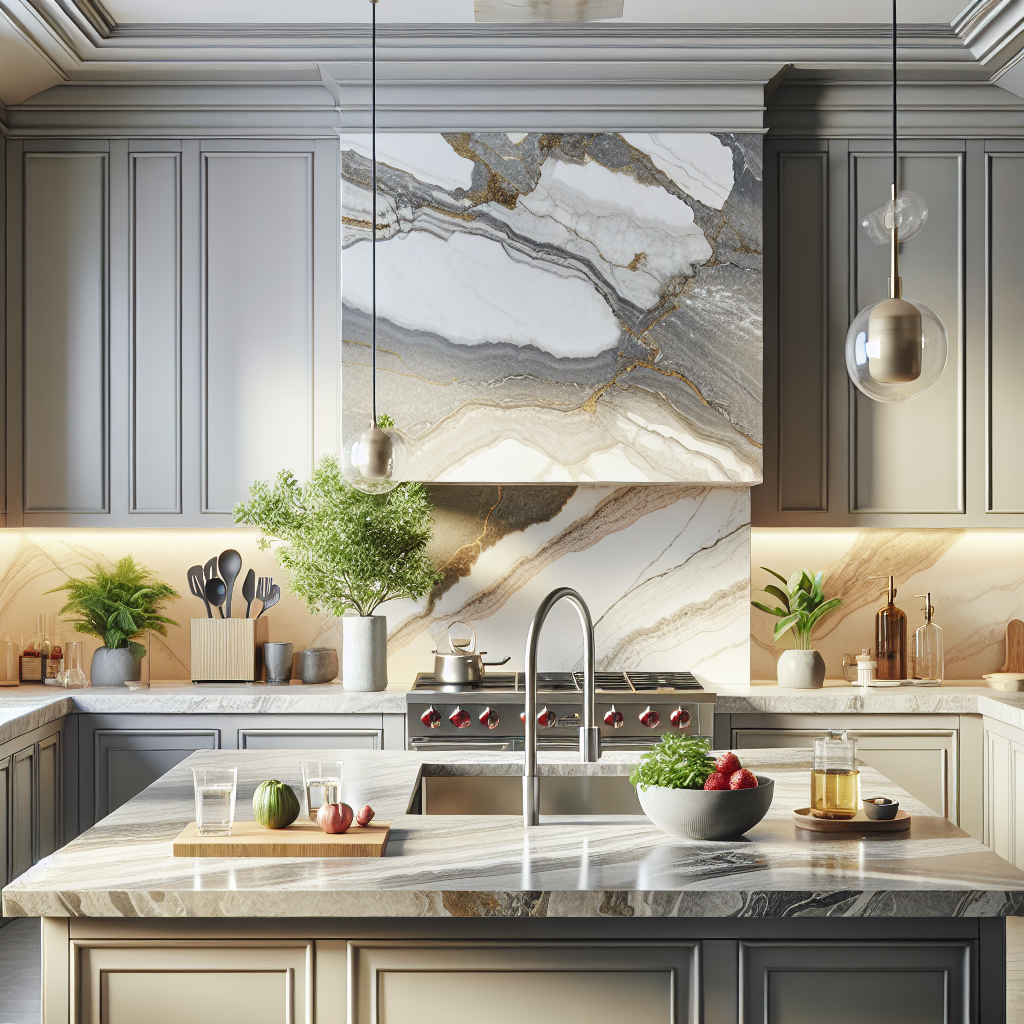



Quartz countertops are renowned for their durability and elegant appearance. But what makes them so robust and visually appealing? The answer lies in their unique composition. Unlike natural stone slabs such as granite and marble, quartz countertops are engineered stone products. They are primarily composed of approximately 90-95% ground quartz, a natural hard mineral, combined with 5-10% resins, polymers, and pigments. This mixture creates a very hard surface that is not only resilient but also customizable in terms of color and pattern.
The high quartz content contributes to the countertop’s strength and resistance to scratches and dents, while the resins provide flexibility and additional durability. The pigments added during the manufacturing process allow for a wide variety of colors and designs, making quartz countertops a versatile choice for any kitchen or bathroom.
Another significant advantage of quartz countertops is that they are non-porous, meaning they do not have the tiny holes found in natural stones. This non-porous nature makes them highly resistant to staining and bacterial growth, contributing to a more hygienic surface.
If you’re considering quartz countertops for your home, you’ll be pleased to know that they offer an excellent blend of aesthetic appeal and practical benefits. Call Us Today to Schedule an Appointment: (561) 810-8586 in Boynton Beach (954) 984-7007 in Pompano Beach
Effects Of Heat On Quartz Countertops
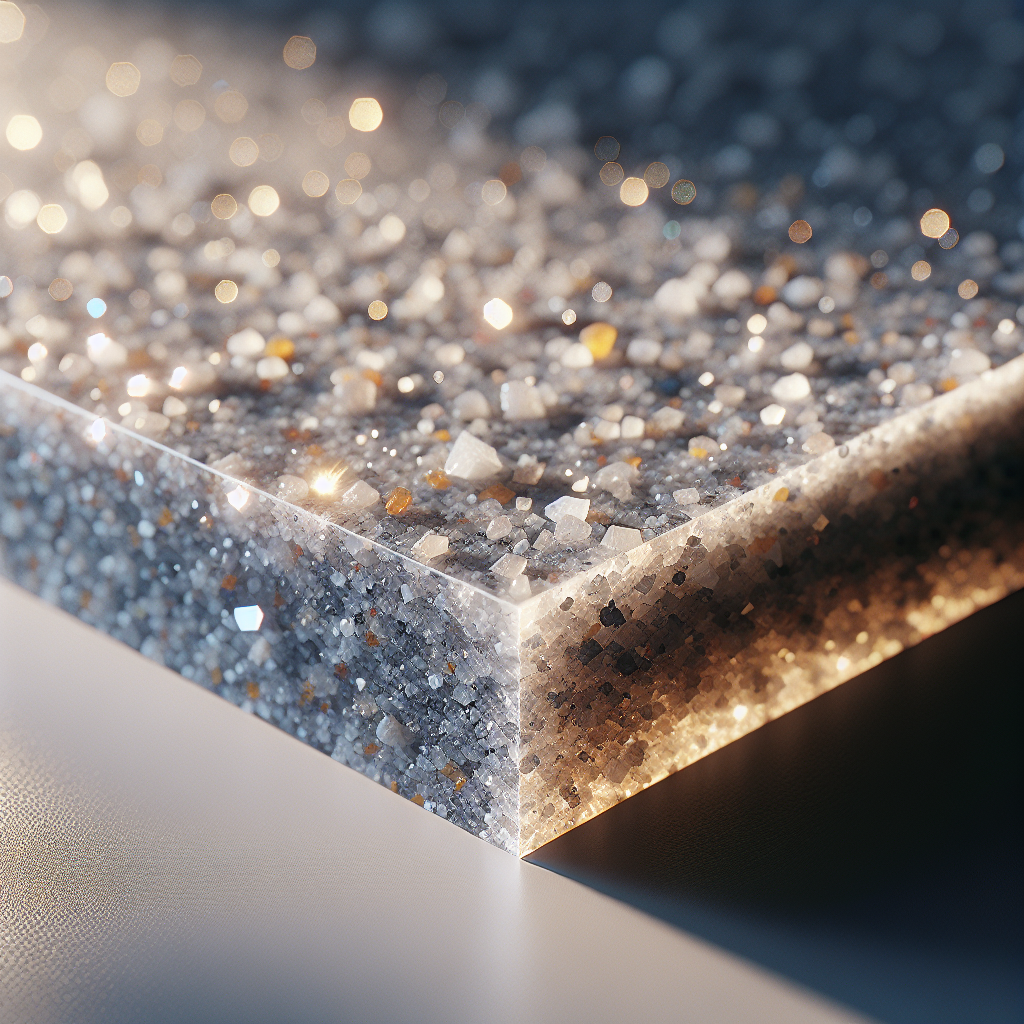
While quartz countertops are celebrated for their strength and durability, it is essential to understand how heat can affect them. Quartz countertops can withstand moderate heat, but they are not entirely heat-resistant. Prolonged exposure to high temperatures can lead to significant damage.
The resins used in the composition of quartz countertops are the primary concern when it comes to heat damage. These resins are not as heat-resistant as the quartz itself and can begin to melt or warp when exposed to temperatures above 150 degrees Fahrenheit. This can result in discoloration, scorch marks, or even cracks on the surface of the countertop.
It’s important to note that placing hot pans directly on a quartz countertop can also lead to thermal shock. Thermal shock occurs when a material undergoes a sudden change in temperature, causing it to expand and contract rapidly. This rapid change can create stress within the countertop, potentially leading to cracks or fissures.
To protect your quartz countertops from heat damage, it’s advisable to always use trivets, hot pads, or heat-resistant mats. These protective measures can help to disperse the heat and prevent direct contact with the countertop surface. Additionally, avoid placing hot kitchen appliances, such as slow cookers or toaster ovens, directly on the countertop for extended periods.
By understanding the effects of heat on quartz countertops and taking the necessary precautions, you can ensure that your surfaces remain beautiful and functional for years to come.
Safe Practices For Using Hot Pans
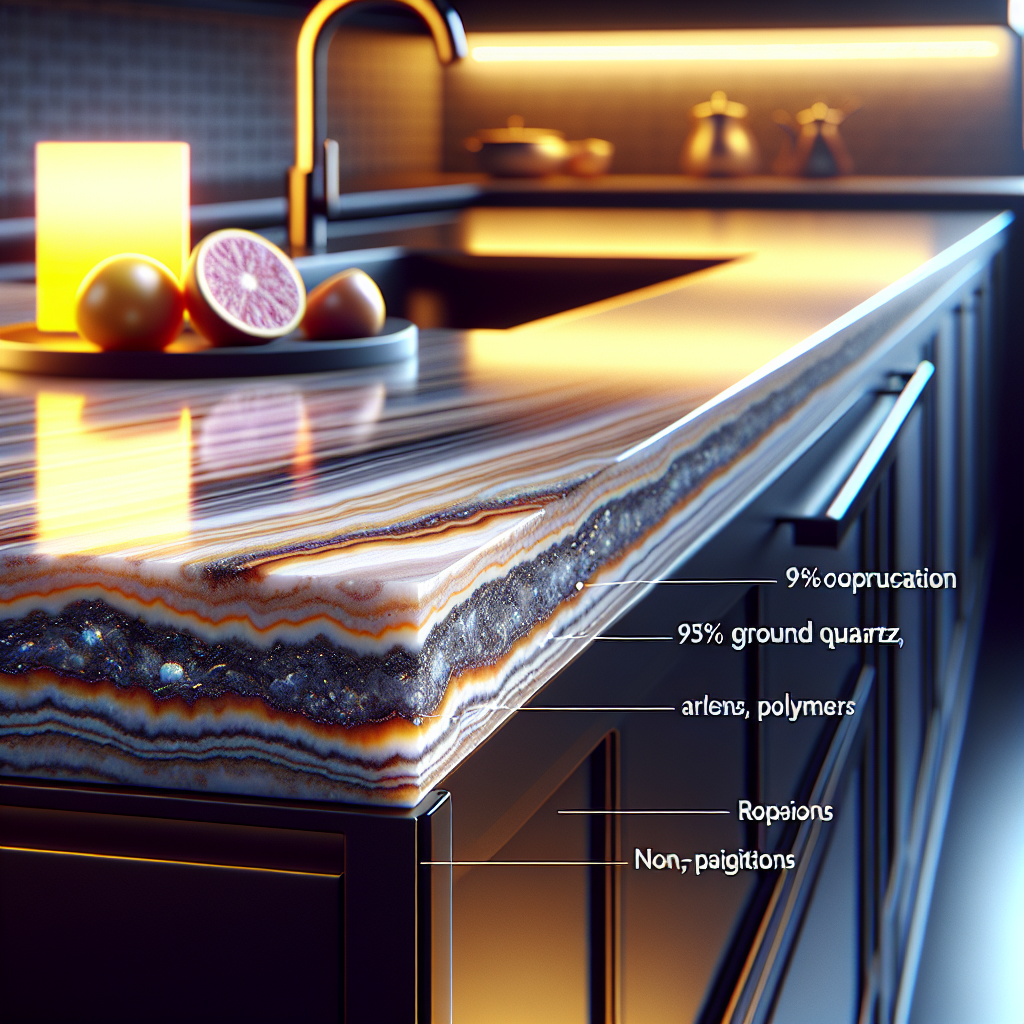
To maintain the pristine condition of your quartz countertops and prevent heat damage, it is crucial to implement safe practices when using hot pans. Here are some essential tips to follow:
- Always Use Trivets or Hot Pads: Placing hot pans directly on the quartz surface is a recipe for disaster. Instead, use trivets or hot pads to create a barrier between the hot pan and the countertop. This simple step can prevent thermal shock and protect the resin in the quartz.
- Invest in Heat-Resistant Mats: Heat-resistant mats are another excellent option to safeguard your countertops. These mats are designed to withstand high temperatures and can be placed under hot kitchen appliances or pans to prevent any direct contact with the countertop surface.
- Avoid Prolonged Heat Exposure: Be mindful of the duration that hot pans or appliances are in contact with the countertop. Prolonged exposure to heat can cause the resin to melt or discolor, leading to permanent damage. Always remove hot items from the countertop as soon as possible.
- Use Caution with Portable Cookware: Appliances like slow cookers, griddles, and toaster ovens can generate significant heat. Ensure that these items are placed on heat-resistant surfaces or mats and avoid placing them directly on the quartz countertops for extended periods.
- Educate Household Members: Make sure everyone in your home is aware of the importance of using trivets and hot pads. Educating family members about these safe practices will help maintain the longevity and appearance of your quartz countertops.
By incorporating these safe practices into your daily kitchen routine, you can effectively prevent heat damage and preserve the beauty of your quartz countertops.
Preventing Damage To Quartz Countertops
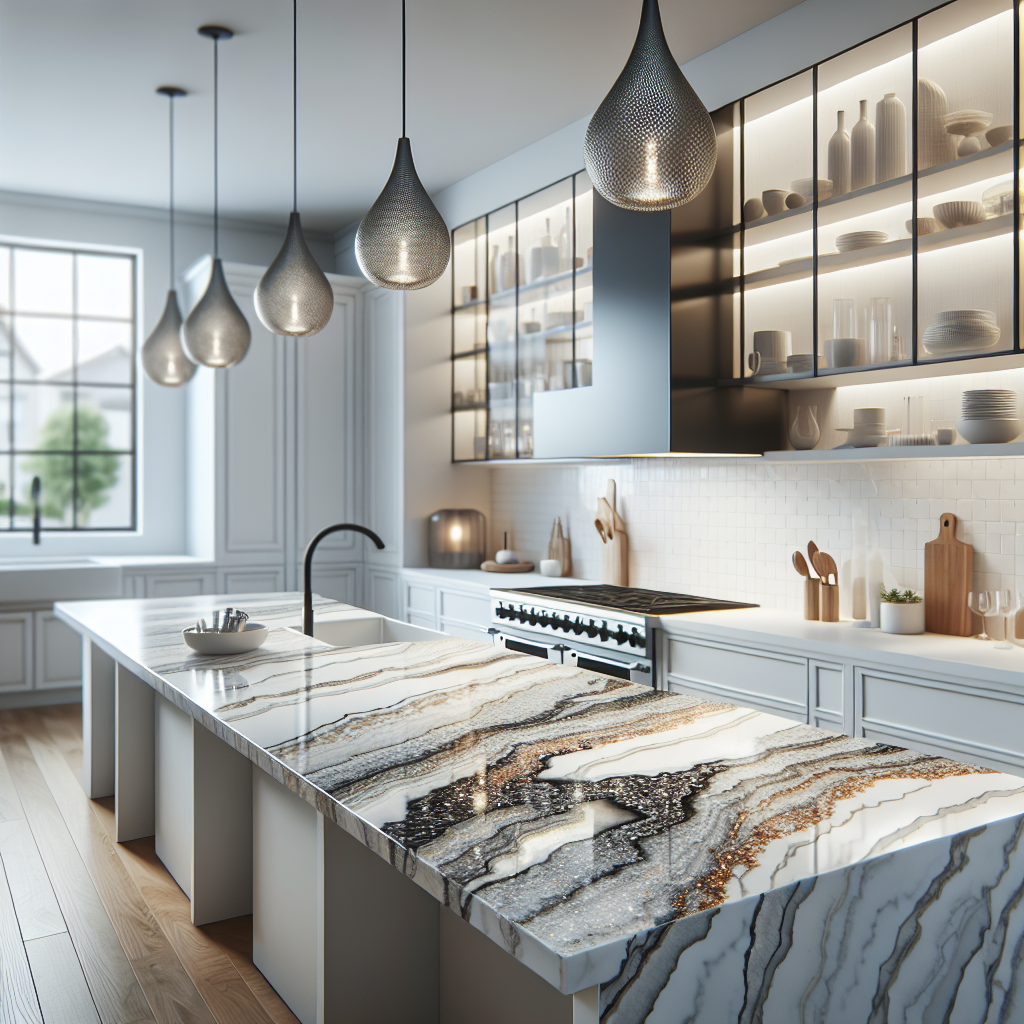
Quartz countertops are renowned for their durability and low maintenance, but like any material, they require proper care to maintain their beauty and functionality. Here are some key strategies to prevent damage to your quartz countertops:
- Use Cutting Boards: Although quartz is scratch-resistant, it is not scratch-proof. Always use cutting boards when preparing food to avoid scratching the surface and to keep your knives in good condition.
- Clean Spills Immediately: Quartz is non-porous and resistant to stains, but it’s still a good practice to clean up spills immediately. Substances like wine, coffee, and oils can cause discoloration if left for too long. Use a mild detergent and a soft cloth to wipe away any spills promptly.
- Avoid Harsh Chemicals: Steer clear of using harsh chemicals or abrasive cleaners on your quartz countertops. Products containing bleach, ammonia, or strong acids can damage the surface. Opt for gentle, pH-balanced cleaners specifically designed for quartz.
- Protect Against Heat: As discussed in the previous section, preventing heat damage is crucial. Always use trivets, hot pads, or heat-resistant mats under hot cookware to avoid thermal shock and potential damage to the resin in the quartz.
- Prevent Impact Damage: Quartz is tough, but heavy or sharp objects can still cause chips or cracks if dropped. Be cautious when handling heavy kitchenware or appliances near your countertops. Consider placing protective mats in areas where heavy items are frequently used.
- Regular Maintenance: Regularly wipe down your countertops with a soft cloth and mild soap to keep them looking their best. Periodically check for any signs of wear or damage and address them promptly to prevent further issues.
Implementing these preventive measures will help ensure that your quartz countertops remain a stunning and functional feature in your kitchen for years to come.
Repairing Heat Damage On Quartz
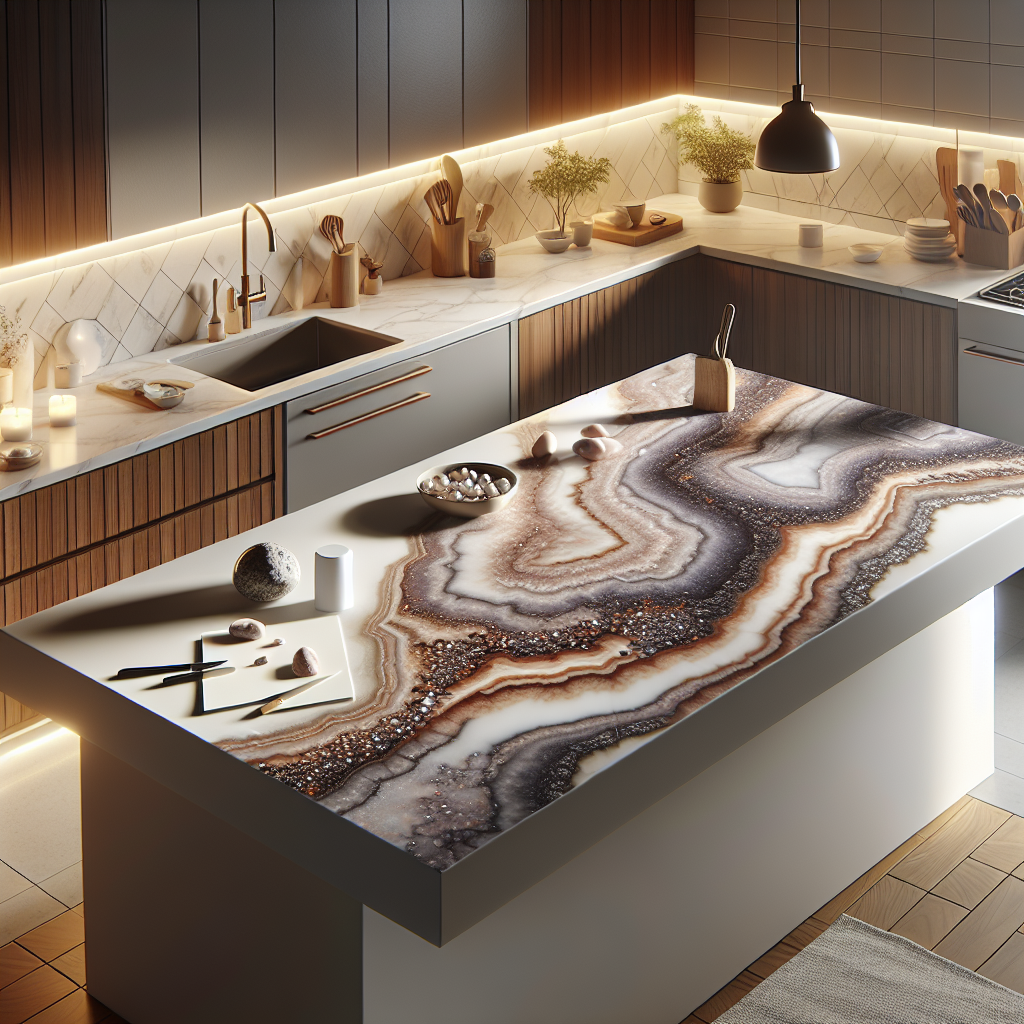
While quartz countertops are highly durable, heat damage can still occur if hot pans are placed directly on the surface. If you find yourself dealing with heat damage, here are some steps to help restore your quartz countertops:
- Assess the Damage: Begin by carefully examining the affected area to determine the extent of the damage. Heat damage typically appears as discoloration, scorch marks, or cracks. Identifying the severity will guide the repair process.
- Clean the Surface: Before attempting any repairs, ensure the damaged area is thoroughly cleaned. Use a mild soap and water solution to remove any dirt or debris. Make sure the surface is completely dry before proceeding to the next step.
- Use a Quartz Repair Kit: For minor heat damage, a quartz repair kit can be effective. These kits usually contain a resin-based filler that can be used to fill in small cracks or chips. Follow the manufacturer’s instructions carefully to achieve the best results.
- Apply Polishing Compound: In cases of discoloration or scorch marks, applying a polishing compound might help. Use a soft cloth to gently buff the affected area with the compound. This can help to restore the surface’s original sheen and reduce the appearance of damage.
- Seek Professional Help: If the damage is extensive or if you are unsure about performing the repairs yourself, it’s best to consult a professional. Experienced countertop repair specialists have the tools and expertise to address severe heat damage effectively.
- Prevent Future Damage: To avoid recurring issues, always use trivets or heat-resistant mats under hot cookware. Educate all household members about the importance of protecting the quartz surface from high temperatures.
By following these steps, you can effectively manage and repair heat damage to your quartz countertops, ensuring they continue to enhance the beauty and functionality of your kitchen.
Caring For Quartz Countertops Long-Term
Ensuring the longevity and pristine condition of your quartz countertops involves consistent and thoughtful care. Here are some essential tips for maintaining the beauty and durability of your quartz surfaces over the long term:
- Daily Cleaning: Wipe down your quartz countertops daily with a soft cloth or sponge and a mild soap and water solution. Avoid using abrasive cleaners or scouring pads, as they can dull the surface and cause scratches.
- Immediate Spill Management: Quartz is resistant to stains, but it’s best to clean up spills as soon as they occur. Substances like wine, coffee, and oils can discolor the surface if left unattended for long periods.
- Use Cutting Boards: Always use a cutting board when preparing food. Although quartz is scratch-resistant, using a cutting board will prevent any potential damage from sharp knives and keep the surface looking flawless.
- Protect from Heat: As previously mentioned, always use trivets or heat-resistant mats under hot pots, pans, and appliances. Direct exposure to high temperatures can cause thermal shock, leading to cracks or discoloration.
- Avoid Harsh Chemicals: Steer clear of using harsh chemicals or solvents on your quartz countertops. Products containing bleach, ammonia, or strong acids can damage the surface. Opt for pH-balanced cleaners specifically designed for quartz.
- Regular Inspections: Periodically inspect your countertops for any signs of wear or damage. Early detection of issues like chips or cracks allows for timely repairs, preventing further deterioration.
By incorporating these practices into your routine, you can ensure your quartz countertops remain a stunning and functional feature of your kitchen or bathroom for years to come.
Call Us Today to Schedule an Appointment:
(561) 810-8586 in Boynton Beach
(954) 984-7007 in Pompano Beach
Visit our website at BR Stone for more information.